20 Best Mid Taper Fade Haircuts for Straight Hair (2026)
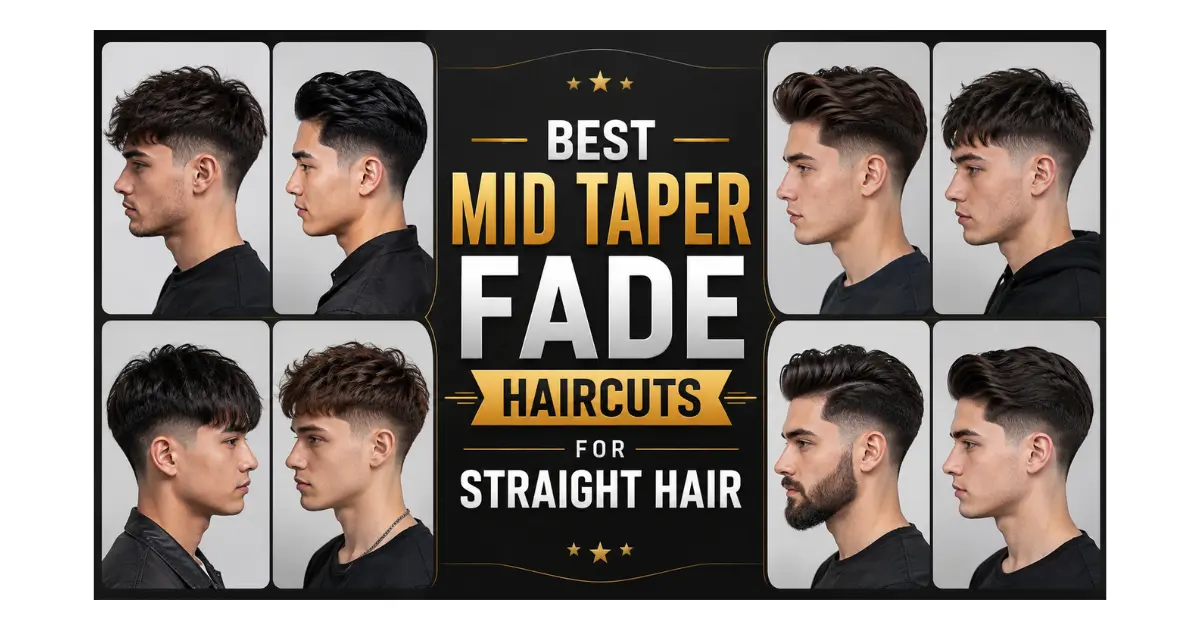
Straight hair shows every uneven blend — there’s no natural texture to hide behind. That’s exactly why the mid taper fade works so well here: clean, high-contrast lines at the temples while keeping full length on top.
This guide covers 20 styles, barber phrasing, and simple styling tips to get it right.
Visual Guide: Mid Taper Fade for Straight Hair
Prefer visual learning? Watch this detailed step-by-step tutorial on how to fade, blend, and style straight Asian hair for a seamless mid fade look.
Straight Hair Types: 1A, 1B, 1C — Which One Is Yours?
Not all straight hair behaves the same. Barbers describe straight hair as Type 1, split into three subtypes. Knowing yours changes how the taper should be cut.
| Straight hair type | What it looks like | What the mid taper does for it |
|---|---|---|
| Type 1A — fine, pin-straight | Very fine strands that lie flat. Scalp can show through under bright light. | Keeps the blend gradual and the bottom above skin. A skin finish can look exposed on 1A hair. |
| Type 1B — medium, slight bend | Medium thickness with a soft bend at the ends. The most common straight type. | The easiest type for this cut. It holds the blend and takes volume from a quick blow-dry. |
| Type 1C — coarse, thick | Thick, coarse strands that can stick out at the sides as they grow. | Removes side bulk where it builds up. Thinning shears take out internal weight without shortening the top. |
Two words matter here. Fine means each strand is thin. Dense means you have a lot of strands. Fine hair can still be dense, and thick hair can still be sparse. A quick check helps: part a small section and look at your scalp. Lots of visible skin means low density, whatever the strand size.
Fine, low-density hair needs a low, compact blend that protects coverage. Coarse, high-density hair needs weight removed from inside the shape, so the top does not turn bulky. The same guard sequence will not produce the same result on both. If your hair is fine, see our guide to mid taper fade for thin hair. If it is thick, see mid taper fade for thick hair.
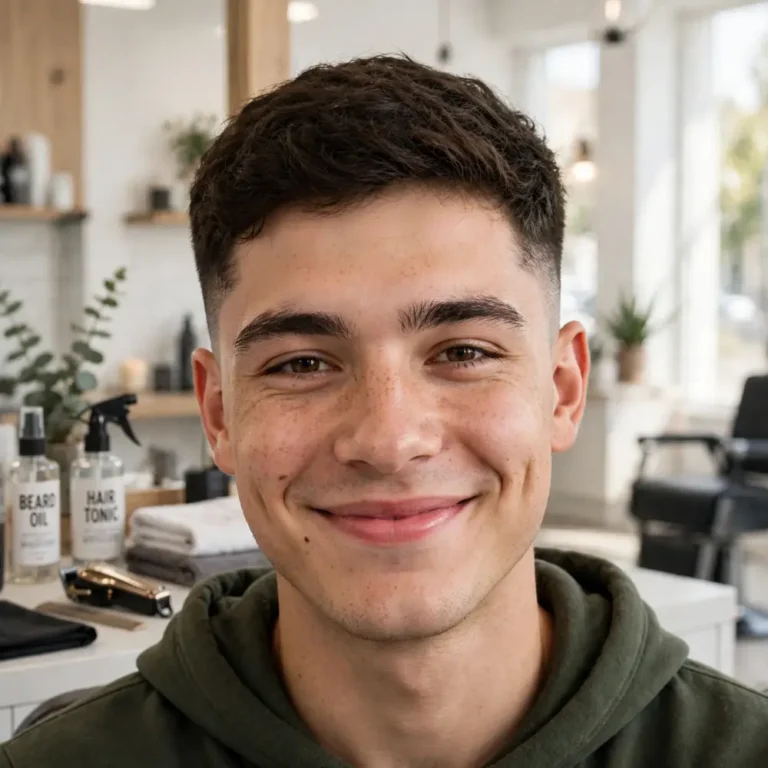
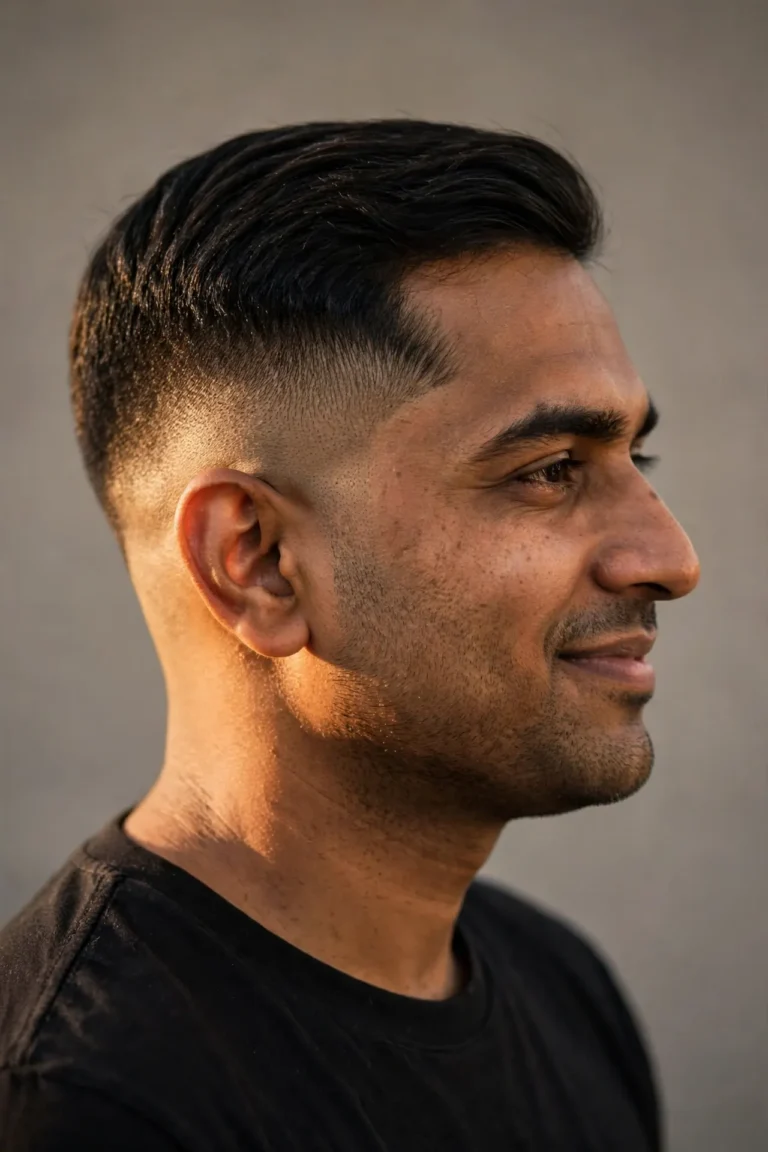
A mid taper fade starts right above the ear, blending seamlessly down to the skin. On straight hair, this cut truly shines — without natural curls or waves to hide uneven lines, the crisp gradient and sharp contrast stand out with ultimate precision.
What is a Mid Taper Fade straight hair?
A mid taper fade straight hair is a precision haircut where the hair tapers down starting right above the ears, creating a smooth transition to the skin. Since straight hair lies naturally flat without curls or waves, this style highlights every detail of the fade with razor-sharp contrast.
It delivers a modern, clean-cut look that gives flat hair effortless structure, natural movement, and a balanced profile on top.
Why This Cut Works So Well for Straight Hair in 2026
Straight hair falls flat on its own. The mid taper fade fixes that instantly, adding structure exactly where it’s missing.
It also holds its line longer than curlier textures — less upkeep, sharper results.
The same taper works on other textures too, with the blend adjusted for each one. On curly hair, the taper keeps the curls on top as the feature. On coily hair, a lower taper protects the natural shape. Straight hair is the easiest of the three to blend, because the barber can see every line as it is cut.
Straight-Hair Problems This Cut Solves
Straight hair has four common complaints. The mid taper answers each one directly.
Flat top. Straight hair lies against the scalp, so the top can look limp by midday. The taper removes weight from the sides, which makes the top look fuller by contrast. A blow-dry upward adds the rest.
Sides that stick out. Thick, straight hair pushes outward above the ears as it grows. That is the classic side stick-out. The taper takes the bulk out exactly where it builds up, so the sides lie flat again. This is the same fix our mid taper fade for Asian hair guide uses for dense, coarse hair.
Cowlick at the crown. A cowlick is a patch of hair that grows in a different direction, usually at the crown. Short sides around it make the cowlick less visible, and a little matte clay holds the top in place.
Oily, greasy look. Straight hair shows oil faster than textured hair, because sebum slides straight down the strand. Short, tapered sides stay cleaner between washes, and a dry shampoo or texturizing powder lifts the roots on day two.
20 Best Mid Taper Fade Styles for Straight Hair
Twenty ways to wear this cut on straight hair, from clean and simple to bold and textured.
Mid Taper Fade Straight Hair: Blowout & Volume Styles
Blowouts and volume-focused cuts are ideal for straight hair with a mid taper fade, using height and soft texture to build structure where straight hair usually lacks depth.
1.Mid Taper Fade Blowout Straight Hair

Hair blown up and forward on top, sharp fade underneath. Straight hair takes a blowout better than any other texture — no frizz fighting the shape. For the full blowout breakdown, see our mid taper fade blowout guide.
Best For: Oval or round face, thick straight hair
Popular with: Zayn Malik
Mid Taper Fade Straight Hair with Fringe
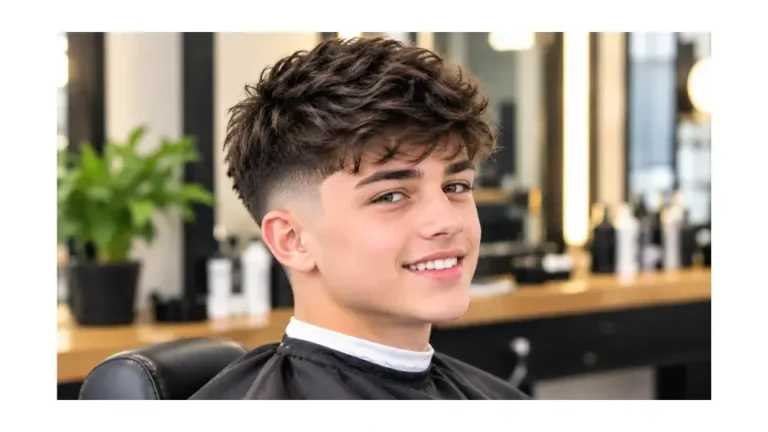
A fringe falls naturally over the forehead on straight hair, creating a clean, modern look when paired with a sharp mid taper.
2.Mid Taper Fade Fringe Straight Hair
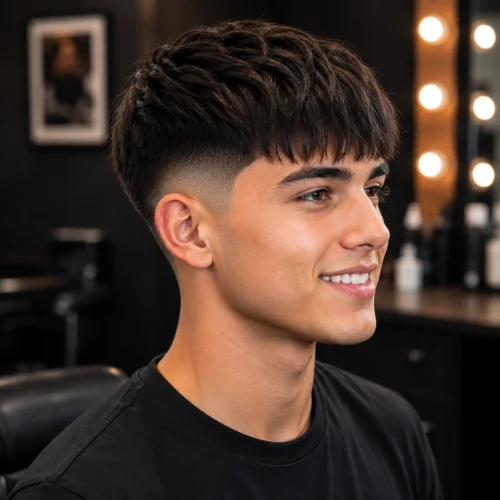
Fringe falls forward naturally on straight hair, no product needed to keep it in place. Clean fade underneath keeps the whole look sharp. Our complete fringe guide covers lengths, face shapes, and styling for every fringe version.
Best For: Oval or round face, straight hair
Popular with: Timothée Chalamet
3.Mid Taper Fade Textured Fringe Straight Hair
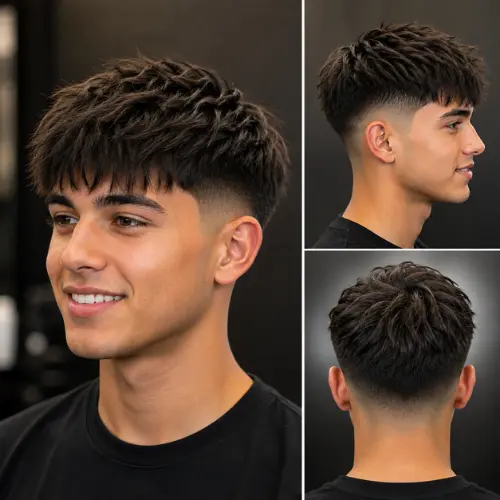
A little texturizing product roughs up the fringe, giving straight hair some movement it doesn’t have naturally.
Best For: Square face, medium-thick hair
✂️ Pro Tip: Ask your barber to point-cut the fringe — it adds texture without needing extra product every morning.
Short & Long Mid Taper Fade Styles
Whether you prefer low-maintenance short crops or high-contrast long tops, a mid taper fade for straight hair balances both extremes effortlessly.
4.Mid Taper Fade Short Hair Straight

Short on top, sharp fade underneath. Low effort, clean result — straight hair holds this shape with zero styling.
Best For: All face shapes, short straight hair
5.Mid Taper Fade Long Hair Straight
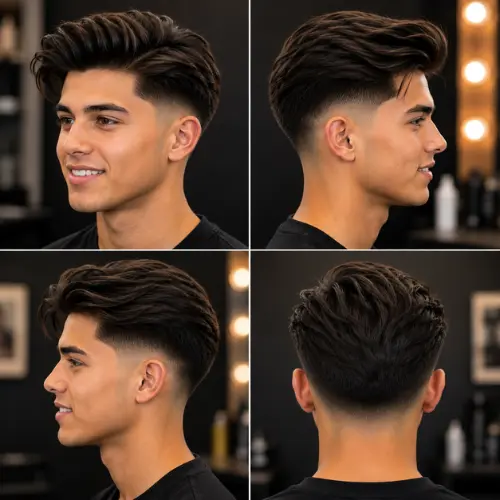
Length on top creates real contrast against the tight mid taper fade below. Bold without needing curls or waves to carry the look on straight hair.
Best For: Oval face, long straight hair
Popular with: Jared Leto
Blonde Mid Taper Fade Styles
Lighter hair shades highlight every layer of the cut, making the contrast between blonde tones and skin-close sides look extraordinarily sharp
6.Mid Taper Fade Blonde Straight Hair

Lighter hair makes the fade line more visible. The contrast between blonde and skin-close sides is sharp and clean.
Best For: Oval face, blonde straight hair
Burst, Drop & Skin Fade Combos for Straight Hair
Combining curved burst, low-dropping, or skin-tight fades with a mid taper fade on straight hair creates bold geometric contrast that highlights the clean lines on top.
7.Mid Taper Burst Fade Straight Hair
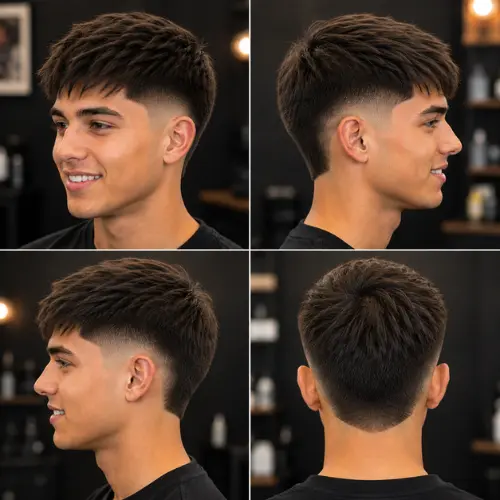
The fade curves around the ear instead of running straight back. Bold contrast, works especially clean on straight hair.
Best For: Round face, straight hair
8.Mid Taper Drop Fade Straight Hair
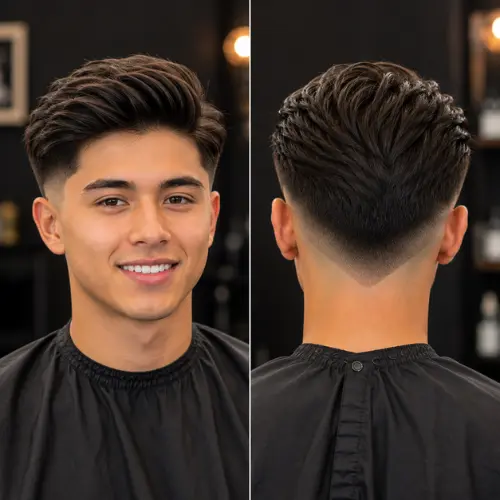
The fade line drops slightly behind the ear, following the natural curve of the head. A subtle twist on the standard mid taper.
Best For: Oval face, straight hair
Buzz Cut & Low Mid Taper Combos
Minimalist and sharp, pairing a buzz cut or a softer low taper with straight hair delivers a clean, low-maintenance look with uniform structure
9.Mid Taper Fade Buzz Cut Straight Hair

Buzzed on top, faded on the sides. About as low maintenance as this cut gets, and straight hair keeps it looking uniform.
Best For: Oval or round face, all lengths
10.Low Mid Taper Fade Straight Hair

A subtler alternative to the classic mid taper fade straight hair look, this variation sits slightly lower on the sides to create a smooth, gradual transition. For more inspiration on choosing the right blend, check out our complete guide to 20 mid taper fade styles.
Slick Back, Beard & French Crop Styles for Straight Hair
From polished slicked-back tops to textured French crops and seamless beard blends, these structured styles highlight straight hair’s naturally smooth texture.
11.Mid Taper Fade Slick Back Straight Hair

Hair combed straight back with a little pomade, fade doing the rest underneath. Straight hair slicks back cleaner than any other texture. See the full slick back styles guide for more variations.
Best For: Oval or square face, straight hair
12.Mid Taper Fade With Beard Straight Hair

The fade connects straight into the beard line — no gap, no disconnect. Shape both in the same appointment for the cleanest blend.
Best For: All face shapes, straight hair
Popular with: Chris Hemsworth
13.French Crop Mid Taper Fade Straight Hair

Short, blunt fringe on top with a tight fade underneath. Clean, low maintenance, and works in almost any setting.
Best For: Oval face, straight hair
Design, Fluffy & Middle Part Styles for Straight Hair
From creative razor line art and soft blow-dried volume to retro-inspired center parts, these styles add distinct personality to straight hair.
14.Mid Taper Fade With Design Straight Hair
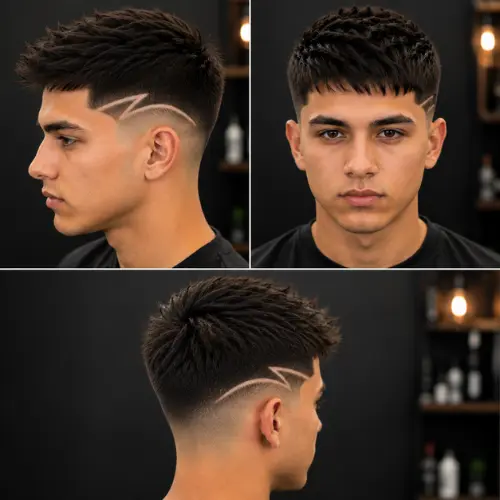
A shaved line or pattern cut into the fade. Shows up cleanest on straight hair since there’s no texture blurring the lines.
Best For: All face shapes, dark straight hair
15.Mid Taper Fade Fluffy Straight Hair
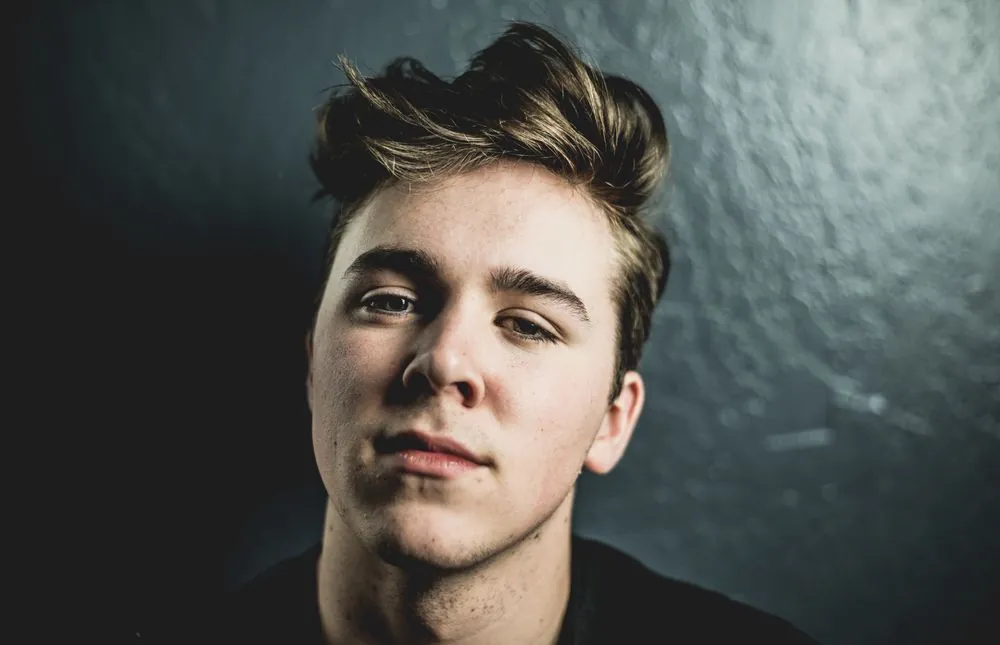
Soft volume on top from a light blow-dry, sharp fade below. A little mousse keeps it full without looking overdone.
Best For: Round face, medium straight hair
16.Mid Taper Fade Middle Part Straight Hair

Hair split down the center, falling naturally on both sides. Straight hair holds a middle part cleaner than any other texture. More parted looks are in our middle part styles guide.
Best For: Oval or square face, straight hair
Mid Taper Fade for Asian Straight Hair
Thick, dense Asian straight hair naturally holds precise guard work, making it the perfect canvas for a ultra-sharp, structured mid taper fade.
17.Mid Taper Fade Straight Hair Asian

Thick, straight Asian hair holds this fade especially well. The density blends cleanly and keeps its shape longer between cuts. Our mid taper fade for Asian hair guide covers more styles for this hair type.
Best For: Oval or square face, thick straight hair
Additional Mid Taper Fade Variations
If you want to explore beyond traditional shapes, these modern hybrid variations offer unique contrast and effortless flow for straight hair.
18.Two Block Mid Taper Fade Straight Hair

Longer hair on top sits disconnected from the tight fade below. Straight hair holds the sharp contrast cleanly, no product required to keep the line crisp.
Best For: Oval face, straight hair
19.Mid Taper Fade Quiff Straight Hair

Height and volume swept back on top, clean fade underneath. Straight hair takes a quiff shape better than textured hair, since there’s nothing fighting the direction.
Best For: Square or oval face, straight hair
Popular with: David Beckham
20.Mid Taper Fade Curtains Straight Hair

Hair parted down the middle and swept to both sides. A retro shape that works especially well on straight hair since it falls naturally into place.
Best For: Oval face, medium-length straight hair
Before & After: What a Mid Taper Fade Does for Straight Hair
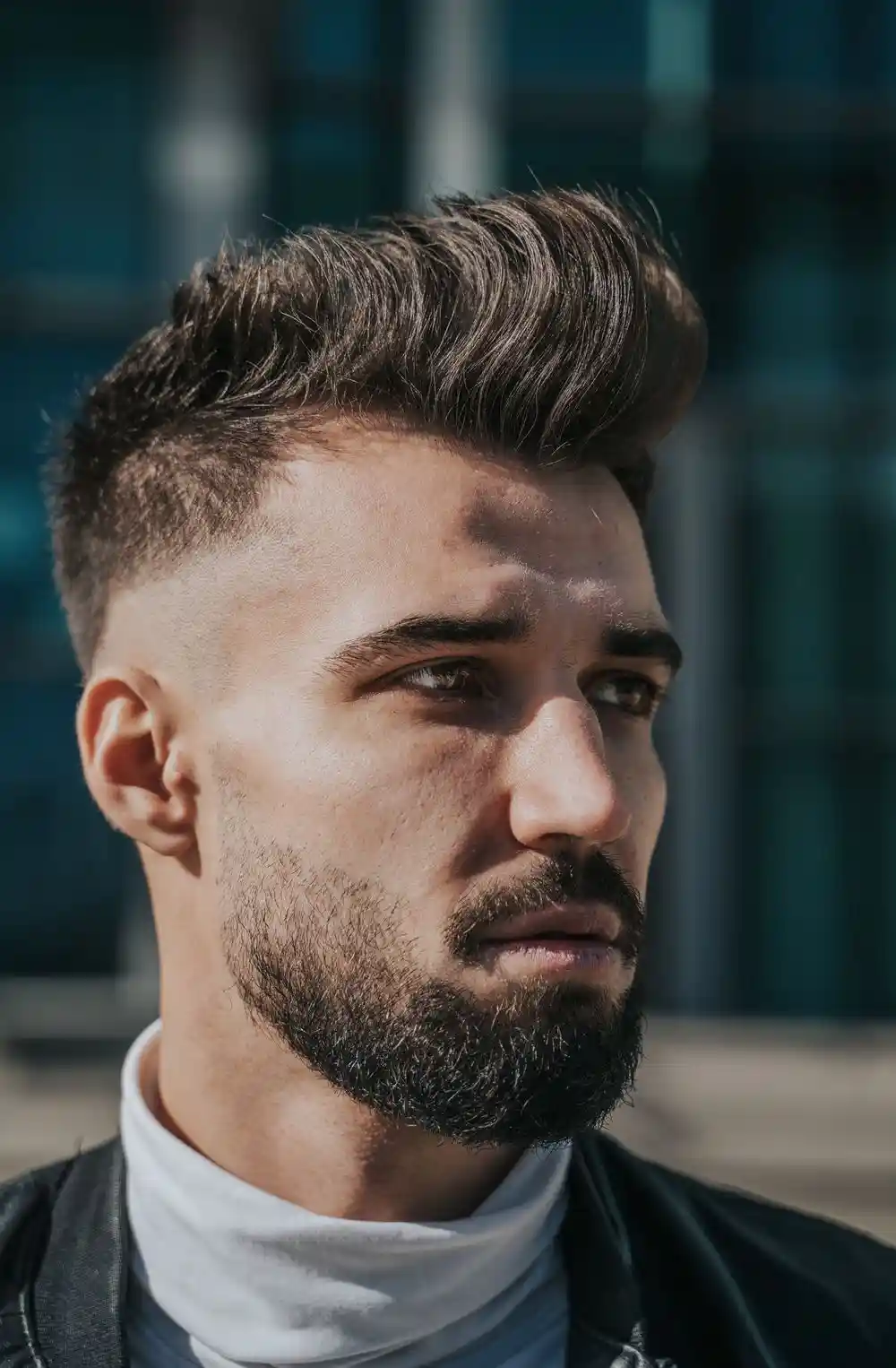
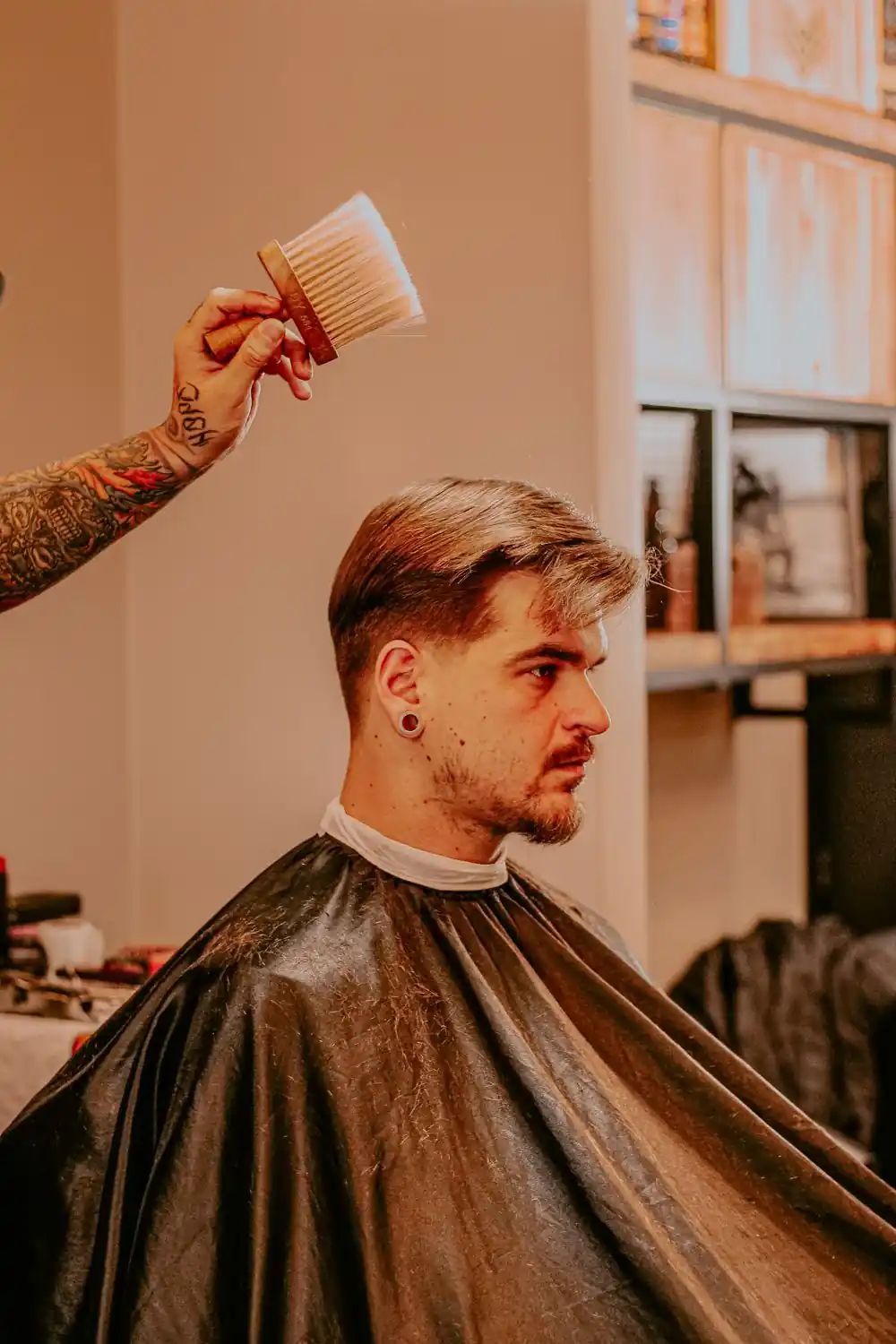
The difference is not the length on top. It is the shape. Grown-out straight hair falls flat and heavy at the sides. A mid taper fade takes the bulk off the temples and nape and gives the top a clean direction. These three pairs show the change.
Each pair compares two different men showing the same change — compare the shape of the cut, not the person.




How to Ask Your Barber for a Mid Taper Fade
To achieve a clean mid taper fade straight hair look, ask your barber for a #1 or #2 guard around the temples and nape. Make sure they blend the sides gradually so your straight locks don’t stick out awkwardly on top.
Key Phrases to Use With Your Barber
Say this exactly:
“Mid taper fade, start it at the temple, keep the blend soft going into the top.”
Bring a reference photo every time. On straight hair, even a slightly uneven blend is impossible to hide.
The Guard Number Blending Sequence
Straight hair needs a gradual step-down to avoid visible lines. A clean mid taper typically moves through:
Guard #1 at the skin → Guard #1.5 blending upward → Guard #2 through the middle → Guard #2.5 easing into the top length.
Ask your barber to blend slowly between each guard rather than jumping straight from a #1 to a #3. That jump is what causes visible lines on straight hair specifically.
Guard Number Table: What Each Guard Leaves
Guard numbers count eighths of an inch. Each step up adds 1/8 inch of length. The table below uses Wahl’s system, which is the industry standard for clipper guards. The full chart is in Cultured Grooming’s clipper guard size guide.
| Guard | Length (inches) | Length (mm) | Where it is used in this cut |
|---|---|---|---|
| #0.5 | 1/16 in | 1.5 mm | Cleaning up the very bottom edge, only if you want a near-skin finish |
| #1 | 1/8 in | 3 mm | Bottom of the taper at the sideburns and nape |
| #1.5 | 3/16 in | 4.5 mm | First blending step above the #1 |
| #2 | 1/4 in | 6 mm | Middle of the blend, around the temple |
| #2.5 | 5/16 in | 8 mm | Blending step between #2 and #3 |
| #3 | 3/8 in | 10 mm | Top of the blend, easing into the scissor-cut top |
Guard sizes can differ slightly between brands, so a #2 from one clipper may not equal a #2 from another. If your barber switches clippers, start one size longer. For the full breakdown of every guard, see our taper fade guard numbers guide.
Common Mistakes to Mention
Tell your barber upfront:
- Don’t rush the blend — Straight hair shows shortcuts that other textures hide.
- Don’t skip the guard sequence — Jumping guard numbers creates a visible step instead of a smooth fade.
- Don’t use heavy gel to finish — It stiffens straight hair and kills the natural movement on top.
How Much Does a Mid Taper Fade Cost?
A mid taper fade costs about the same as any standard men’s cut. Prices vary by city and shop, but the US bands below hold for most barbershops in 2026.
| Service | Standard barbershop | Premium barbershop |
|---|---|---|
| Full mid taper fade cut | $25 – $45 | $50 – $80 |
| Fade-only touch-up (sides and neckline) | $15 – $25 | $25 – $35 |
| Beard trim with the cut | $10 – $20 | $20 – $30 |
Price surveys put the average US men’s haircut at about $29 to $43, depending on the survey. StyleSeat reports an average near $29, while another national survey lands at $43, as reported in Styppy’s mid taper fade guide. A real-shop example: The Spot Barbershop in Miami lists its Classic Haircut, which includes a taper fade, at $53, and a standalone edge-up at $23. See their taper fade guide and price list.
At about $40 a visit, two visits a month add up to about $80. A cheaper rhythm is one full cut every 4 to 5 weeks, with a $15 to $25 touch-up in between. Add a 15 to 20 percent tip, which is standard in the US. For how cut prices vary by style, see our Edgar haircut cost guide, which uses the same US price bands.
Common Mid Taper Fade Mistakes to Avoid
Rushing the Blend:A fast, careless blend leaves visible lines on straight hair that curlier textures would hide. Precision matters more here.
Avoid Heavy Gels: Heavy gels stiffen strands and ruin the natural flow of a mid taper fade straight hair cut. Instead, lock in weightless volume and texture using a lightweight matte clay from American Crew.
Skipping the Reference Photo:Straight hair shows exactly what was cut — a photo removes any guesswork around length and blend height.
Going Too Long Between Touch-Ups:Straight hair grows out visibly fast around the fade line. Waiting too long makes the sharp contrast disappear.
Ignoring the Neckline:A clean neckline finishes the cut. On straight hair, an uneven one stands out immediately.
How to Maintain a Mid Taper Fade for Straight Hair
Straight hair needs less daily effort than other textures, but keeping a mid taper fade straight hair look sharp still needs regular attention. The 0–8 guard scale most clipper brands use follows Wahl’s system, which is the industry standard. See the full clipper guard size chart at Cultured Grooming for every guard from #0 to #12.
According to CulturedGrooming, the standard 0–8 guard numbering system used by most clipper brands today is based on Wahl’s original system — which is why a #1 guard measures roughly 3mm regardless of the brand.
Touch-Up Schedule
Every 2 to 3 weeks. Straight hair shows regrowth around the fade line faster than textured hair, so don’t stretch past that.
Daily Styling Routine
Towel dry, apply a light product while hair is still damp, style the top. Straight hair holds shape with minimal effort — no need for heavy products.
5-Minute Blow-Dry Routine at Home
A blow-dryer does what product alone cannot: it lifts straight hair at the root. Five minutes is enough.
- Towel dry first. Squeeze, don’t rub. Hair should be damp, not dripping.
- Add heat protectant. A light spray protects the strands before any heat touches them.
- Blow-dry upward with a vent brush. Lift sections at the root and aim the dryer up, not down. This builds the volume straight hair lacks.
- Cool shot to set. A 10-second blast of cool air locks the lift in place.
- Finish with matte clay. Warm a pea-sized amount between your palms, then work it through the roots, not the ends.
Styling Tools for Straight Hair
The right tool matters more than the right product on straight hair. Each tool below solves one specific problem.
| Tool | What it does | Best for |
|---|---|---|
| Vent brush | Lifts roots while blow-drying for volume | Flat tops, blowouts, quiffs |
| Round brush | Builds smooth volume and a soft curve | Blowouts and slick backs |
| Ionic blow dryer | Dries faster with less frizz and static | Daily drying, thick straight hair |
| Flat iron | Straightens and smooths the top | Sleek finishes — use sparingly, with heat protectant |
| Texturizing powder | Adds grip and lift at the roots | Day-two hair, oily roots |
| Sea salt spray | Adds light texture to flat strands | Textured fringe, fluffy tops |
A vent brush is the one tool this cut needs most. It lifts straight hair at the root while the dryer does the work. Check price on Amazon
Matte clay holds the shape without the stiff, shiny finish gel gives. A pea-sized amount is enough for most tops. Check price on Amazon
A trimmer keeps the neckline and sideburns tidy between touch-ups, so the cut holds its shape for the full 2 to 3 weeks. Check price on Amazon
Products That Work Best
- Matte clay — holds shape without stiffness, unlike gel.
- Light pomade — adds shine without weighing hair down.
- Sea salt spray — useful if adding texture to otherwise flat straight hair.
- Avoid heavy gel — it stiffens straight hair and kills the natural movement this cut relies on.
If your hair is fine and flat, the same rules apply with one change: use less product, not more. Heavy product flattens fine hair faster. Our thin hair guide covers product amounts for fine straight hair in detail.
Best Mid Taper Fade for Straight Hair by Face Shape
Matching a mid taper fade straight hair cut to your specific face shape balances facial proportions, ensuring the straight texture complements your natural jawline and cheekbones.
Oval Face
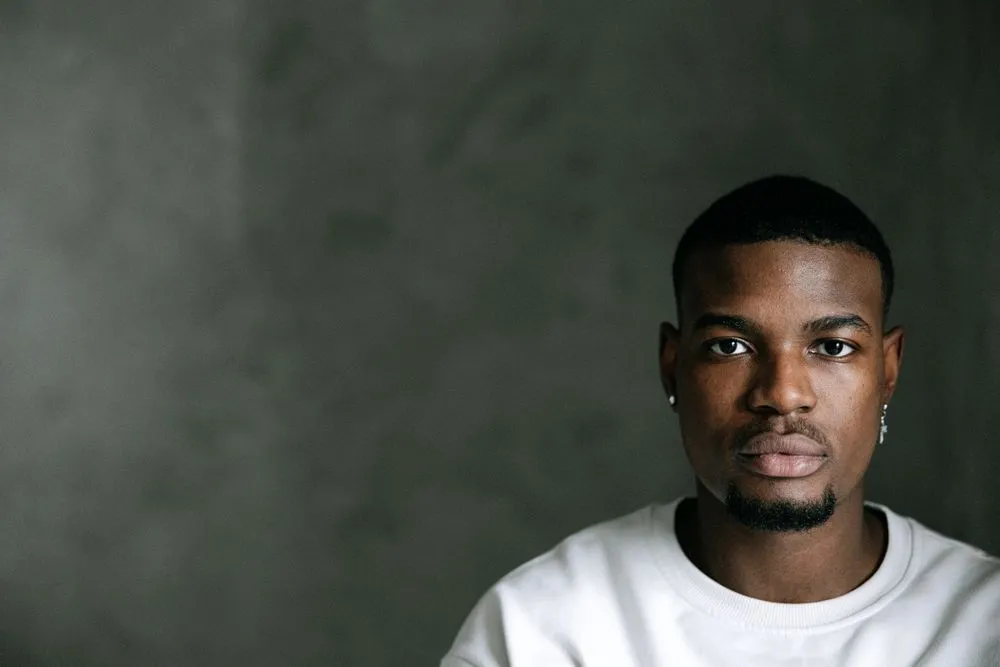
Almost every style works here. Straight hair’s clean lines pair well with anything from short crops to longer, swept-back looks.
Round Face
Height helps balance roundness. A quiff or blowout adds length upward while the tight fade keeps the sides from adding width.

Square Face
Softer styles work best — a fringe or textured top eases the strong jawline instead of sharpening it further.

Heart-Shaped Face
A wider forehead and narrower chin benefit from a middle part or side-swept fringe, which balances the proportions.

Oblong Face
A long face needs width, not height. Keep the top short to medium and avoid tall quiffs or blowouts. A fringe or textured crop shortens the face visually, while the taper keeps the sides tight.

Diamond Face
Wide cheekbones with a narrower forehead and chin suit softer tops. A side part or sweeping fringe widens the forehead line, and a low to mid taper keeps the cheekbones from looking wider.

Best Mid Taper Fade Styles by Age Group
Choosing the right mid taper fade straight hair variation depends on your head shape and how much daily maintenance you prefer. Whether you opt for a slick back or a textured fringe, keeping the sides tight ensures a sharp contrast.
Teenagers
Low-maintenance styles work best — short hair, buzz cut, or a simple fringe. Easy to keep clean between cuts.
Young Men
The most room to experiment. Quiffs, blowouts, or bold design work — straight hair adapts to almost anything.
Professional Men
Cleaner, more controlled styles work best — slick back, French crop, or a neat side part. Touch up every 2 to 3 weeks for a polished look.
Older Men and Grey Hair
There is no age limit on a taper fade. What matters is the height of the taper, the length on top, and how it is styled. A taper is a good choice as hair greys or thins, because the change in length stays gradual. The shortest hair sits only at the sideburns and nape, so the edge looks softer than a skin fade.
Grey hair is an advantage here, not a problem. The blend between grey and darker hair can make the taper look softer and more natural. If the top is thinning, keep it short with a textured crop or a side part, and keep the taper low. Growing the top long to cover thin areas draws the eye to them instead.
Mid Taper Fade vs Other Fades for Straight Hair
Compared to high or low fades, a mid taper provides the ideal middle ground for straight hair—offering a sharp, clean contrast without taking away the volume and length on top. For the full breakdown with 20 styles, tips, and photos, explore our complete guide to the mid taper fade.
Mid Taper Fade vs Low Taper Fade
A low taper sits closer to the ear with less contrast — subtle and easy to maintain. The mid taper starts higher, giving straight hair’s clean lines more room to show. See the full side-by-side in our low taper vs mid taper fade guide, or the low taper fade styles guide.
Mid Taper Fade vs High Taper Fade
A high fade starts above the temple for maximum contrast but grows out faster. The mid taper holds its shape longer, which matters more on straight hair since regrowth shows quickly either way.
Mid Taper Fade vs Skin Fade
A skin fade blends all the way to bare skin for the sharpest possible contrast. The mid taper stops short of that, offering a softer transition that’s easier to maintain.
Mid Taper Fade vs Mid Fade
These two get mixed up constantly, but they are different cuts. A mid taper only blends the sideburns, the area around the ears, and the nape. The sides above the ears keep their length and lie flat against the head. A mid fade takes a band around the whole head at mid height, so more scalp shows on the sides and back.
On straight hair the difference is easy to see. The taper gives a softer, office-friendly look with more time between cuts, because only the edges are short. The fade gives stronger contrast, but an uneven blend shows quickly and the grow-out is more visible. Choose the taper if you want a clean cut that lasts. Choose the fade if you want maximum contrast and do not mind a touch-up every 2 to 3 weeks.
Frequently Asked Questions
Yes — arguably one of the best textures for it. Straight hair shows the cleanest lines of any hair type, which is exactly what this cut is built to show off.
Yes, without any issue. Straight hair actually holds the blend more precisely than curly or coily textures.
It refers to guard numbers used across a fade — typically a 3 on top blending to a 2, then a 1 at the skin. It’s a common way barbers describe graduated fades, including mid tapers.
About 2 to 3 weeks before the line starts softening. Straight hair shows regrowth around the fade faster than textured hair.
Yes. Clean sides, controlled top, and a touch-up every 2 to 3 weeks make it one of the more work-appropriate cuts on this list.
Yes — it is actually one of the most flattering cuts for thin straight hair. The taper removes bulk from the sides, which makes the top look fuller by contrast. Ask your barber to keep some length and texture on top rather than cutting it too short.
Blow-dry the top upward with a vent brush for root lift, then work a pea-sized amount of volumizing mousse or matte clay through the roots. Avoid heavy oils or shiny pomades — they flatten straight hair and undo the volume.
A full cut runs about $25 to $45 at a standard US barbershop and $50 to $80 at a premium shop. A fade-only touch-up costs $15 to $25. At two visits a month, budget about $80 plus tip.
A mid taper only blends the sideburns, ears, and nape, so the sides above the ears keep their length. A mid fade takes a band around the whole head at mid height, so more scalp shows. The taper is softer and lasts longer between cuts. The fade has stronger contrast.
Yes, with one adjustment: keep the blend gradual and the bottom above skin. A skin finish on fine hair can look exposed, because the scalp already shows through. Ask your barber for visible hair at the bottom, not bare skin, and keep some length on top.
Yes. There is no age limit on this cut. A taper suits grey and thinning hair well, because the blend stays gradual and the shortest hair sits only at the edges. Grey hair can even make the taper look softer, since the blend between grey and darker hair looks natural.
Ask your barber to remove the bulk above the ears with thinning shears, not just a shorter guard. The taper takes weight out exactly where the hair pushes outward. Keep the top long enough to lie flat, and book a touch-up every 2 to 3 weeks before the sides puff out again.
Conclusion
Final Thoughts: The mid taper fade straight hair trend is easily one of the cleanest, most versatile hairstyles for 2026. With the right matte product and regular touch-ups every 2 to 3 weeks, your fade will remain sharp and stylish all day.
Looking for more mid taper fade inspiration? Check out our complete guide to 61 mid taper fade haircuts for even more styles.
Found this helpful? Share it with someone who’s due for a fresh cut — and drop your favorite style in the comments below.
About the Author
Sonia is the content writer behind MidTaprFade.com. She covers men’s haircut trends, fade techniques, and grooming guides with a focus on accurate, research-backed content.
She combines SEO expertise with a genuine interest in barbering trends. Her goal is simple: give readers practical, barber-ready advice instead of generic fluff.
As an Amazon Associate, MidTaprFade earns from qualifying purchases made through links on this page, at no extra cost to you. Prices are typical US barbershop ranges for 2026 and vary by city and shop.