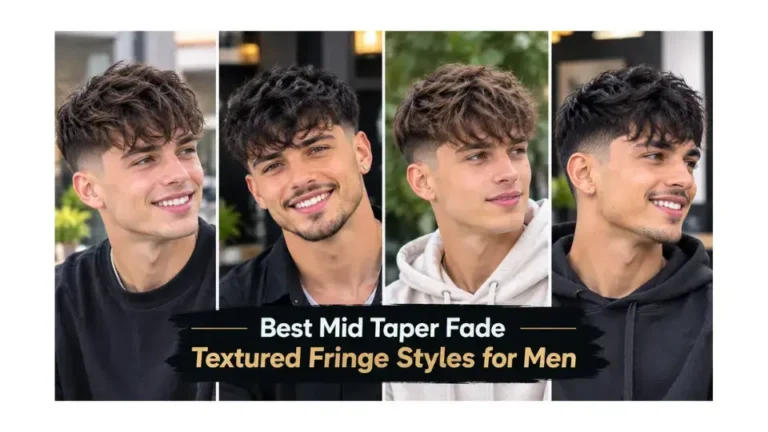
25 Best Mid Taper Fade Blowout Haircuts for Men (2026)
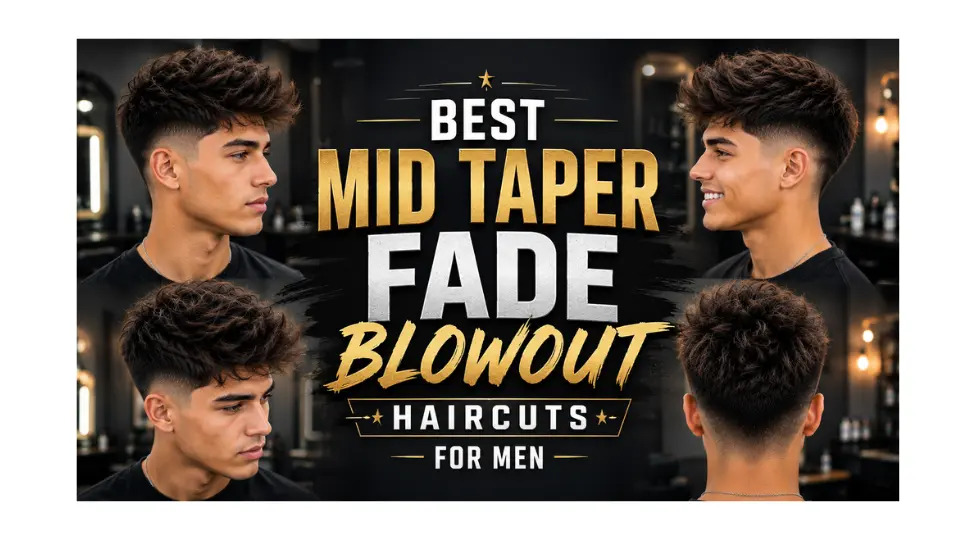
A blowout taper fade adds volume where the mid blowout removes bulk — the two work together instead of competing. This guide covers 25 mid taper fade blowout styles across every hair texture, plus the exact blow-drying technique that keeps the shape holding all day.
What Is A Blowout Taper Fade?
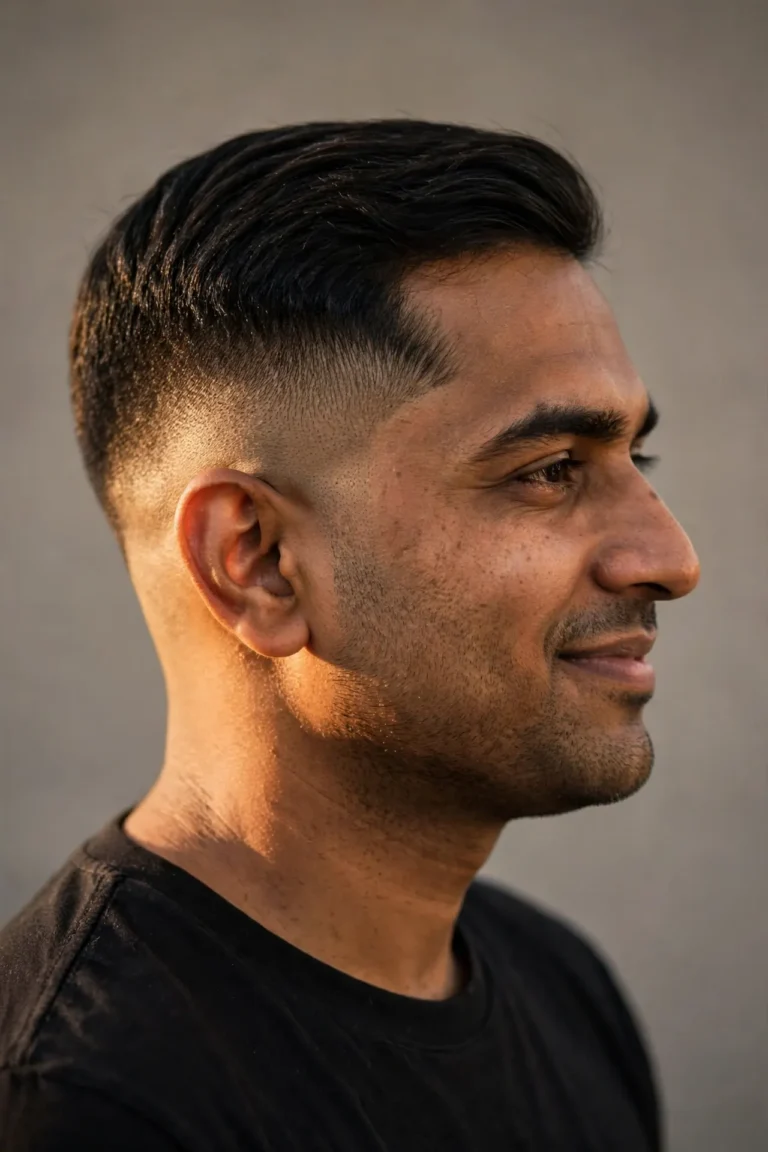
A blowout taper fade pairs a standard mid taper with hair blown up and forward on top. The taper starts at the temple and blends to skin near the ear.
The fade clears bulk from the sides, so the lifted top has room to stand out. Without it, a blowout can look heavy or shapeless.
It works across straight, wavy, and curly hair. The technique changes slightly by texture, but the fade underneath stays the same.
Why This Cut Is So Popular in 2026
A blowout taper fade adds height and volume without needing length. The fade keeps the sides sharp so the top does all the work.
It also photographs well and holds up through a full day, which is part of why barbershop platforms on TikTok and Instagram keep pushing it.
25 Best Mid Taper Fade Blowout Styles
Twenty-five ways to wear a blowout with a mid taper fade, organized by hair texture and styling combination.
Classic Blowout Taper Fade Styles
Classic blowout styles keep the sides clean and tapered while adding natural height, volume, and texture on top for a sharp, versatile finish.
1.Mid Taper Fade Blowout

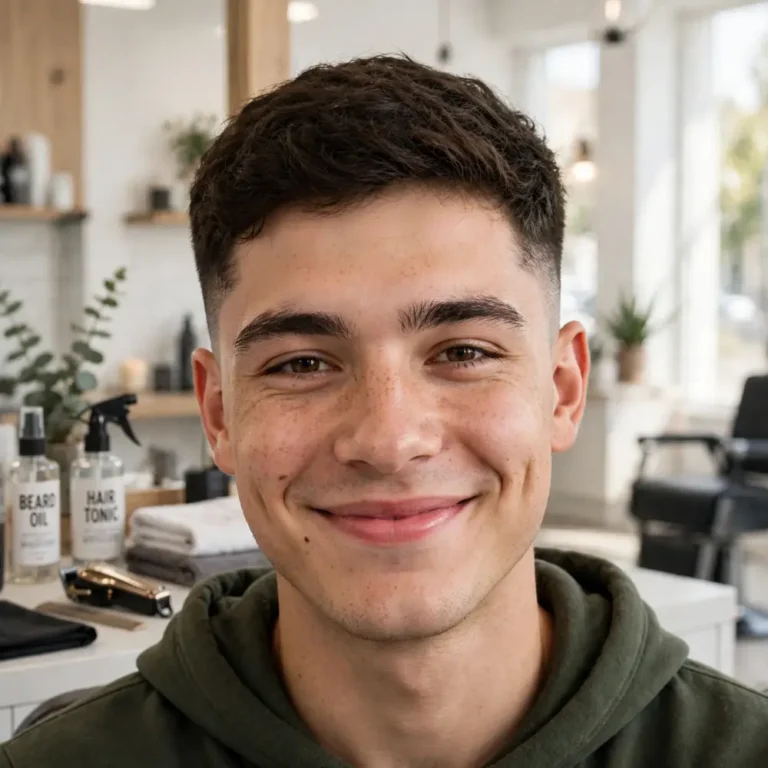
Hair blown straight up and forward, clean fade underneath. The most straightforward version of a blowout taper fade, and the easiest to ask for.
Best For: Oval or round face, medium to thick hair
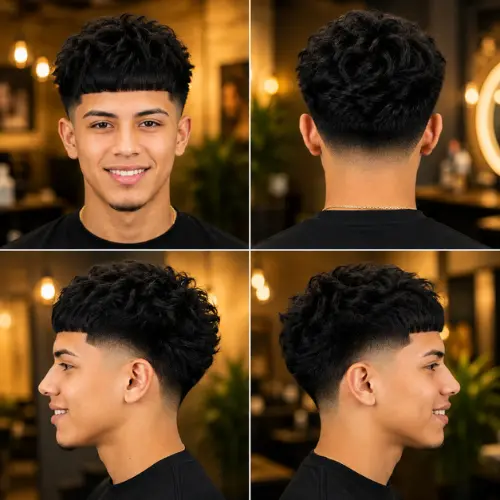
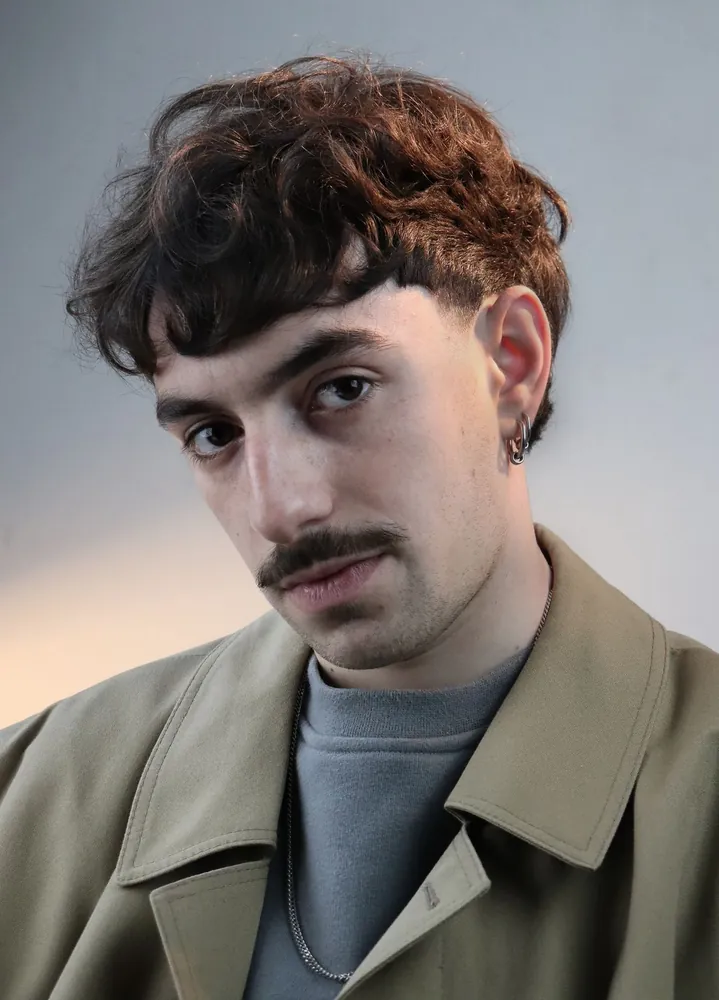
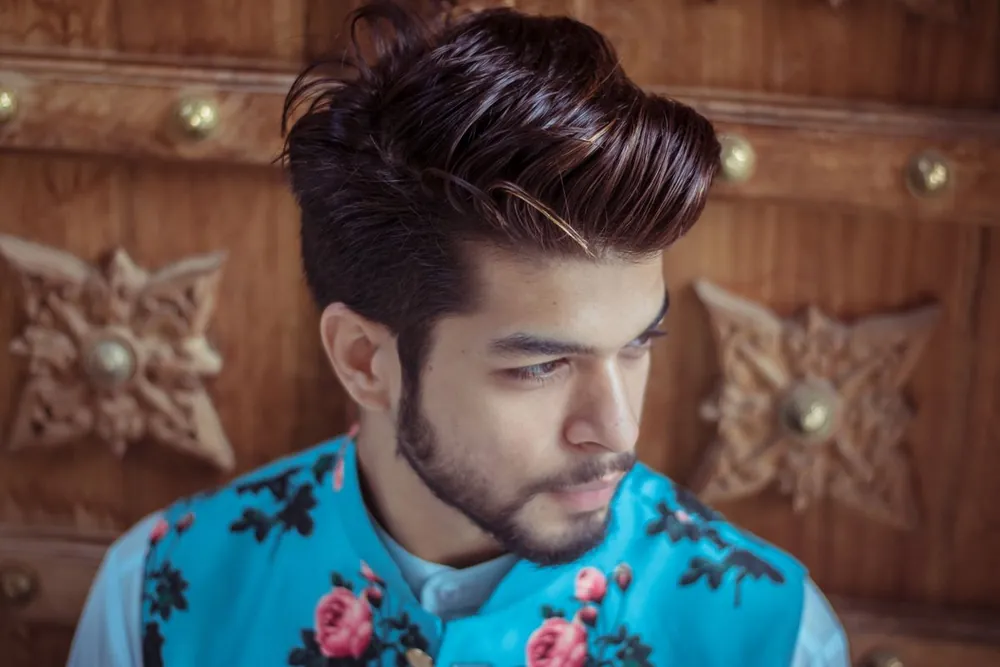
A blunt, straight-across fringe paired with lifted volume behind it. Bold and current, especially popular with younger guys. Best For: Oval or square face, medium-thick hair Texture-specific blowout styles adapt the cut and styling technique to straight, wavy, or curly hair, helping each texture achieve balanced volume and a natural finish. Natural curls get extra round volume from the blowout instead of falling flat. A diffuser attachment helps maintain the curl pattern while adding lift. For more styling ideas and care tips, explore our Mid Taper Fade Curly Hair guide. Straight hair takes the cleanest shape from a round brush, since there’s no natural texture working against the direction. If you want more style ideas and grooming tips, check out our Mid Taper Fade Straight Hair guide. The blowout enhances natural wave pattern instead of overriding it, giving the top movement without looking overdone. Best For: Any face shape, wavy hair ✂️ Pro Tip: Use a diffuser for curly hair and a round brush for straight or wavy hair. Aim the airflow at the roots and move upward to build volume. Blowout combo styles pair the mid taper fade with complementary cuts, fades, or facial hair for a sharper, more personalized look. Extra height and a swept-back finish, styled with a round brush and held with pomade. A sharper, more dressed-up version of the standard blowout. Best For: Square or oval face, medium to thick hair Shorter than a pompadour but with the same forward-swept lift. Easier to maintain day to day. Best For: Oval face, medium hair Volume concentrated down the center, sides kept lower. A bolder shape that still relies on the same blow-drying technique. Best For: Oval or square face, medium to thick hair The blowout adds lift specifically to the fringe instead of the whole top, giving it height and texture rather than letting it fall flat. For more styling ideas and length options, explore our Mid Taper Fade Fringe guide. Explore bold blowout variations that add height, texture, and standout contrast to the mid taper fade. The fade curves around the ear instead of running straight back, adding contrast under the lifted top. Best For: Round face, medium to thick hair A little matte clay worked through after blow-drying breaks up the shape for a less polished, more lived-in finish. Best For: Any face shape, medium hair Softer, rounder volume with minimal product — the blowout alone does most of the shaping. Best For: Round face, medium to thick hair Lighter hair makes the lifted volume more visible against the faded sides, adding extra contrast to the shape. Best For: Oval face, blonde hair Pair the mid taper fade with simple blowout styles that deliver volume and shape without demanding a complicated daily routine. A buzzed fade on the sides with a blown-out top keeps maintenance low while still adding height where it counts. Best For: Oval or round face, medium hair Thin hair actually benefits more from a blowout than thicker textures — the lift creates volume that’s otherwise hard to fake. Best For: Any face shape, thin hair ✂️ Pro Tip: Use curl cream or a lightweight mousse for shape and definition — heavy products flatten thin hair fast. Tightly curled hair holds a blowout shape exceptionally well, keeping real weight on top while the fade stays sharp underneath. See our mid taper fade for Black men guide for the full range, from curls and afros to twists. Best For: Oval face, coily or afro-textured hair A shaved line or pattern cut into the fade adds a personal touch beneath the lifted top. See our taper designs guide and the mid taper fade with design guide for more shaved-line ideas. Best For: All face shapes, dark hair A higher starting point on the fade adds more contrast under the volume — a bolder, more aggressive take on the standard style. Best For: Oval or square face, medium to thick hair A lower fade with heavy weight kept on top gives a more relaxed, lived-in version of the blowout — less sharp, still intentional. Best For: Any face shape, medium hair A slight disconnection between the sides and top holds extra weight in place, working especially well on curly hair that blends visually on its own. Best For: Round or oval face, curly hair Extra volume concentrated at the crown widens the silhouette for a bolder, more dramatic shape. Thick hair holds this crown volume best — see our mid taper fade for thick hair guide. Best For: Oval face, thick hair The fade line drops behind the ear instead of running straight back, adding a subtle contour underneath the lifted top. Best For: Oval face, medium to thick hair A longer, textured fringe flipped up and forward — a current, younger-leaning take on the classic blowout shape. Best For: Oval or round face, medium-long hair Shaved undercut sides meet a fully lifted top, creating sharper contrast than a standard fade. The bare sides make the blowout volume stand out even more. Best For: Oval or square face, medium to thick hair A defined side part adds structure underneath the lifted volume, giving the blowout a more polished, put-together finish. Best For: Oval or long face, medium hair Three real before-and-after pairs show what a blowout mid taper fade actually changes. The photos below are different men, but the change is the same every time: flat, overgrown hair goes in, a lifted blowout with a clean taper comes out. Getting the height right in a blowout taper fade depends on communicating both the fade and the styling direction clearly. Say this exactly: “Mid taper fade, keep enough length on top for a blowout — I want it blown up and forward.” Then confirm the four specs before the clippers start. They are blend height at the temple, the shortest guard at the bottom, 3 to 4 inches kept on top, and a tapered neckline. The name alone means different things in different shops, so the specs and a photo do the real work. Mention your hair texture too, since curly, straight, and wavy hair all need slightly different length left on top to blow out properly. Mention your hair texture too, since curly, straight, and wavy hair all need slightly different length left on top to blow out properly.
The right guard number makes a big difference in how clean and blended the
sides look. For a blowout style, keep the sides tapered while leaving
enough length on top to create the signature shape. For the sides: For the full mm and inch breakdown of every guard, see our taper fade guard numbers chart. Tell your barber upfront: Most men in the US pay $30 to $50 for a mid taper fade blowout at an independent barbershop in 2026. A blowout taper costs a little more than a standard taper. The barber cuts the fade, then blow-dries and shapes the top to finish. That styling step adds chair time, and chair time is what you are paying for. Extras move the bill more than the base cut does. A lineup or edge-up between visits usually runs $10 to $15. Beard work, designs, and a wash each add their own charge, so confirm the total before you sit down. At one visit every 2 to 3 weeks, a $30 to $50 blowout taper adds up to roughly $510 to $1,300 a year before tips. The fade needs a refresh every 2 to 3 weeks, which means 17 to 26 visits a year. Tip 15 to 20 percent on top, the normal US barber tip. Stretching to a 3-week cycle, if your grow-out allows it, is the simplest way to cut the yearly total without changing the style. Watching a blowout taper fade technique in action makes it easier to replicate at home. This tutorial breaks down the blow-drying method step by step, from product application to final shape. Now that you’ve seen the technique, here are the most common mistakes to avoid. The right tools do half the work — the wrong brush fights you for five minutes every morning. Start with the dryer. Pick one with at least 1,800 watts, two heat settings, and a concentrator nozzle. The nozzle focuses the airflow, so you can aim it at the roots instead of blowing hair in every direction. Dryer type matters less than the nozzle, but it still helps. An ionic dryer cuts frizz and adds shine, which suits thick or wavy hair. A ceramic or tourmaline dryer spreads heat evenly with fewer hot spots. Either type works for a blowout. The brush decides the shape. A round brush builds smooth, rounded volume. A vent brush dries faster and gives relaxed, natural lift. For most men’s blowout lengths, a 1.5 to 2-inch round barrel is the sweet spot. You do not need a salon dryer. A mid-priced dryer with a nozzle and a decent round brush covers the whole routine. What matters is the technique, not the price tag. Barrel size sets the curve — small barrels lift tight, big barrels smooth wide. A smaller barrel, around 1.5 inches, gives tighter lift and more curve. It suits shorter tops and stronger height at the front. A larger barrel, around 2 inches, gives smoother volume with less bend. It suits longer tops and a polished finish. If your top is under 3 inches, skip the round brush. A vent brush or your fingers lift the roots faster at that length. The round brush earns its place once the top is long enough to wrap around the barrel. A blowout mid taper looks effortless, but the volume is built with technique, not luck. Here is the exact routine barbers recommend: A light mist of flexible-hold hairspray locks the shape without stiffness. The whole routine takes about 5 minutes once you know it. Re-style each morning, and get the taper cleaned up every 2 to 3 weeks. Most blowout problems come down to technique, not the haircut itself. Skipping Heat Protectant Blow-drying without protection damages hair over time and leaves it looking dull instead of sharp. Not Leaving Enough Length A blowout needs at least 3 inches on top. Anything shorter won’t hold the lift. Using the Wrong Brush for Your Texture A round brush on curly hair fights the natural pattern. A diffuser on straight hair adds nothing. Match the tool to your texture. Ignoring Humidity Humid weather flattens a blowout fast. An anti-frizz product helps the shape hold in damp climates. Overloading With Product Too much clay or pomade weighs the lift down. A pea-sized amount is usually enough. The fade holds its shape for weeks — the blowout taper fade itself needs daily attention. Every 2 to 3 weeks for the fade. The top can go longer between trims since length is what makes the blowout work. Towel-dry, apply heat protectant, then blow-dry with a diffuser for curls or a round brush for straight and wavy hair. Aim airflow at the roots and work upward to build volume, not just dry the hair. The American Academy of Dermatology advises using low or medium heat and a heat-protectant product when you blow-dry, because excessive heat can damage hair. See the AAD healthy hair tips for the full guidance. Daily heat is fine — unprotected daily heat is not. Heat protectant is the one product you should never skip. The American Academy of Dermatology advises using low or medium heat and a heat-protectant product when you blow-dry, because excessive heat can damage hair. See the AAD healthy hair tips for the full guidance. Keep the dryer moving and use medium heat instead of maximum. Never hold it close on one spot. Curly hair does better with a diffuser on lower airflow. A vent brush lets hot air pass through while you lift the roots. It dries a short top faster than a round brush and gives relaxed, natural lift. A pea-sized amount of matte clay locks the blowout shape without shine or stiffness. It is the finish most barbers reach for on this cut. Disclosure: As an Amazon Associate, MidTaprFade earns from qualifying purchases made through links on this page, at no extra cost to you. Choose a blowout taper fade based on your face shape, adjusting the height and volume on top to create a balanced look. Almost every blowout style works here. Balanced proportions handle both subtle lift and bold height equally well. Height is the goal — a pompadour or quiff blowout adds length upward and slims the face. Softer, rounder volume works better than sharp, structured height, which can over-emphasize the jawline. Moderate height with volume kept slightly off-center helps balance a wider forehead. Choose a mid taper fade blowout based on your age and lifestyle, from clean, low-maintenance looks for younger men to polished, mature styles with controlled volume. A simple blowout with minimal product works best — low effort, still adds noticeable height. The most room to experiment — pompadour, faux hawk, or bold texture all work well here. A controlled, moderate-height blowout reads polished without looking overstyled for work. Same blowout on top — the fade height changes the whole attitude of the cut. Low, mid, and high only describe where the shortest hair starts. The top stays the same in all three. Pick the height by how much contrast you want, not by trend. If this is your first blowout, start mid. It is the most versatile height and suits almost every face shape. Go low for a softer finish that grows out neatly. Go high only when you want maximum contrast and do not mind more frequent touch-ups. Our low taper fade guide covers the low version in full, including the styles it suits best. Compare the mid taper fade blowout with other popular styles to find the right balance of volume, fade, and maintenance.
A slick back lies flat against the head for a controlled look.
A blowout lifts hair upward for volume and height — same fade
underneath, opposite direction on top.
A classic pompadour is swept fully back with strong hold product.
A blowout is looser and less structured, relying more on natural
lift than heavy styling. Taper and fade sound alike — the shortest point is where they split. A taper shortens the sides gradually and never goes to skin. A fade blends down to skin at its shortest point. The taper looks softer and grows out more neatly. The fade looks sharper and shows more contrast under the volume. Think of it as the difference between a slope and a cliff. The taper is the slope. The fade is the cliff. For a first blowout, the taper is the safer pick, because it forgives grow-out and suits more face shapes. At least 3 inches. Shorter than that won’t build enough height to hold the shape. Yes — a diffuser attachment keeps the curl pattern defined while still adding volume and lift. The fade holds for 2 to 3 weeks. The blowout itself needs to be restyled daily, though the length can go longer between trims. More than a simple short cut, but not extreme — a few minutes with a blow dryer each morning is usually enough. Volumizing mousse before blow-drying, followed by a small amount of matte clay to lock the shape in place. A blowout taper fade pairs voluminous, brushed-up hair on top with tapered sides. The top is blow-dried upward and outward for that full, airy look. Blow-dry damp hair upward using a vent brush, then lock the volume with a light matte product. A pre-styler or sea-salt spray adds grip for fine hair. Yes — straight hair holds the blowout shape well with heat. Curly and wavy hair get natural volume, needing less styling effort. Ask for a mid taper on the sides with at least 3 inches left on top, textured for volume. Show a photo too. Blowout means different things to different barbers, so the picture does the talking. You can maintain the blowout styling at home with a dryer and round brush, but the taper itself needs a barber’s clippers and blending. DIY the volume, book the fade. Most US barbershops charge $30 to $50 for a mid taper fade blowout in 2026. Budget chains run $25 to $40. Premium and big-city shops charge $55 to $75 or more. The blow-dry finish is included at most independent shops, but confirm before you sit down. The cut stays sharp for 2 to 3 weeks, and the styled blowout itself lasts 1 to 2 days. You rebuild the volume each morning with a 5-minute blow-dry. Book a full cut every 3 to 4 weeks, with an optional lineup in between. You need at least 3 inches on top, and 3 to 4 inches works best for most hair types. Growing that length takes time. The American Academy of Dermatology shares healthy hair tips. So growing 3 inches from a short crop takes roughly 6 months. Start with the mid taper blowout if it is your first blowout. The blend sits at temple height, so the contrast is balanced on almost every face shape. Choose the low version for a softer, more conservative finish. Choose the high version only if you already know you like bold contrast. Heavy product and weak root lift cause most flat blowouts. Clay or pomade applied before drying weighs the top down before the volume forms. Dry the roots first, lifting them away from the scalp. Use mousse or a light pre-styler before drying, and save clay for a pea-sized finish. Daily heat can dry hair out and cause breakage over time, especially held close on one spot. A heat protectant before drying lowers that risk. Keep the dryer moving, and use medium heat instead of maximum. Curly hair does better with a diffuser on lower airflow. Yes. A blowout is one of the better styles for fine hair, because the lift makes the top look fuller. Keep the top at 3 to 4 inches so it still has body. Use matte products only, since shine makes fine hair clump and look thinner. Skip heavy pomades, which flatten fine hair within hours. A 1.5 to 2-inch barrel suits most men’s blowout lengths. A smaller barrel gives tighter lift and more curve. A larger barrel gives smoother volume with less bend. For a short top, a vent brush or your fingers work better than a round brush. You need the dryer. A blowout holds its shape with heat and tension at the roots. Air-dried, the top falls flat within an hour or two. The daily routine takes about 5 minutes. A taper shortens the sides gradually and never goes to skin. A fade blends down to skin at its shortest point. The taper looks softer and grows out more neatly. The fade looks sharper and shows more contrast under the volume. Mist the roots lightly with water, then re-dry them upward for 1 to 2 minutes. A pinch of texture powder or dry shampoo at the roots brings back the lift. Finish with a pea-sized amount of matte clay only if the shape needs it. Both work. An ionic dryer cuts frizz and adds shine, which helps thick or wavy hair. A ceramic dryer spreads heat evenly with fewer hot spots. Pick either one with at least 1,800 watts and a concentrator nozzle. A blowout taper fade works because the fade and the volume support each other instead of competing — clean sides, real height on top. Pick the style that caught your eye, save this page before your next appointment, and bring it straight to your barber. Looking for more mid taper fade inspiration? Check out our complete guide to 61 mid taper fade haircuts for even more styles. Found this helpful? Share it with someone who’s due for a fresh cut — and drop your favorite style in the comments below. Sonia is the content writer behind MidTaprFade.com, covering men’s haircut trends, fade techniques, barbering methods, and practical grooming guides. For this guide, she focuses on blowout styling, taper techniques, hair length, and everyday maintenance. She combines SEO expertise with research-backed information to give readers clear, barber-ready advice instead of generic fluff.2. Edgar Blowout Mid Taper Fade
Texture-Specific Blowout Styles
3.Curly Mid Taper Fade Blowout
4.Straight Mid Taper Fade Blowout
5.Wavy Mid Taper Fade Blowout

Blowout Combo Styles
6.Pompadour Mid Taper Fade Blowout
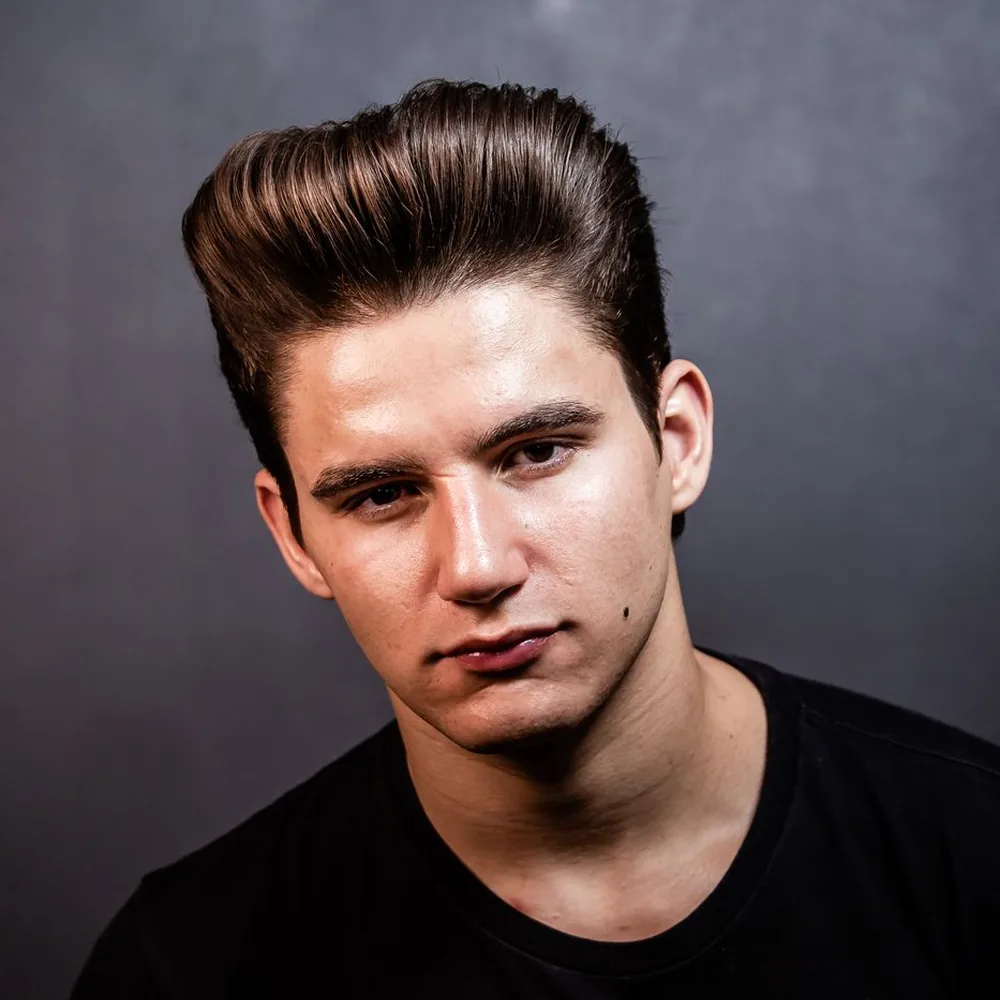
7.Quiff Mid Taper Fade Blowout

8.Faux Hawk Mid Taper Fade Blowout
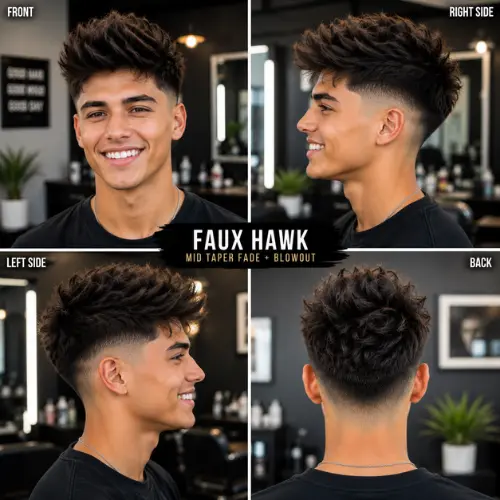
9.Fringe Mid Taper Fade Blowout

Bold Blowout Styles
10.Mid Taper Burst Fade Blowout

11.Textured Mid Taper Fade Blowout

12.Fluffy Mid Taper Fade Blowout

13.Blonde Mid Taper Fade Blowout

Low-Maintenance Blowout Pairings
14.Buzz Cut Sides With Blowout Top

15. Mid Taper Fade Blowout for Thin Hair

16. Afro Blowout Mid Taper Fade
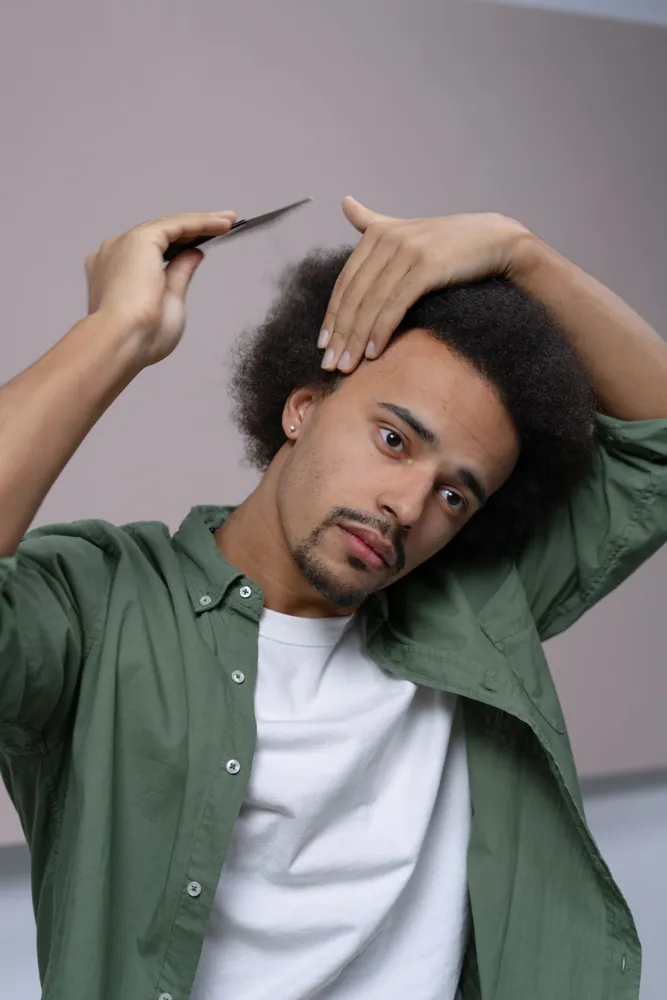
17. Mid Taper Fade Blowout With Design
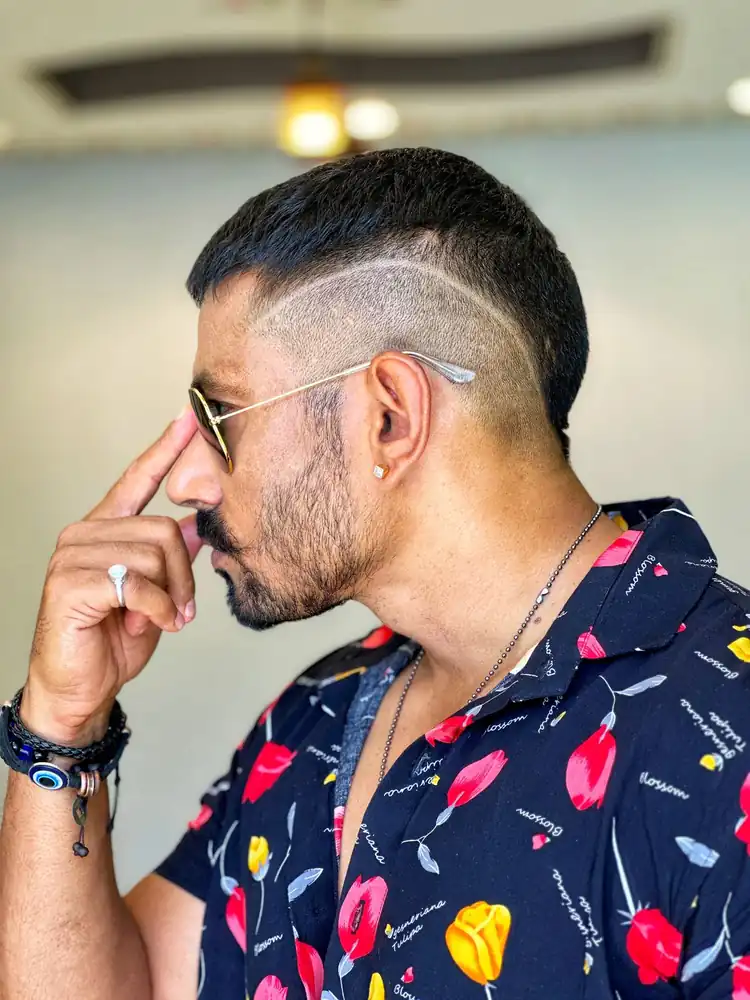
18. High Blowout Mid Taper Fade

19. Low Blowout Mid Taper Fade
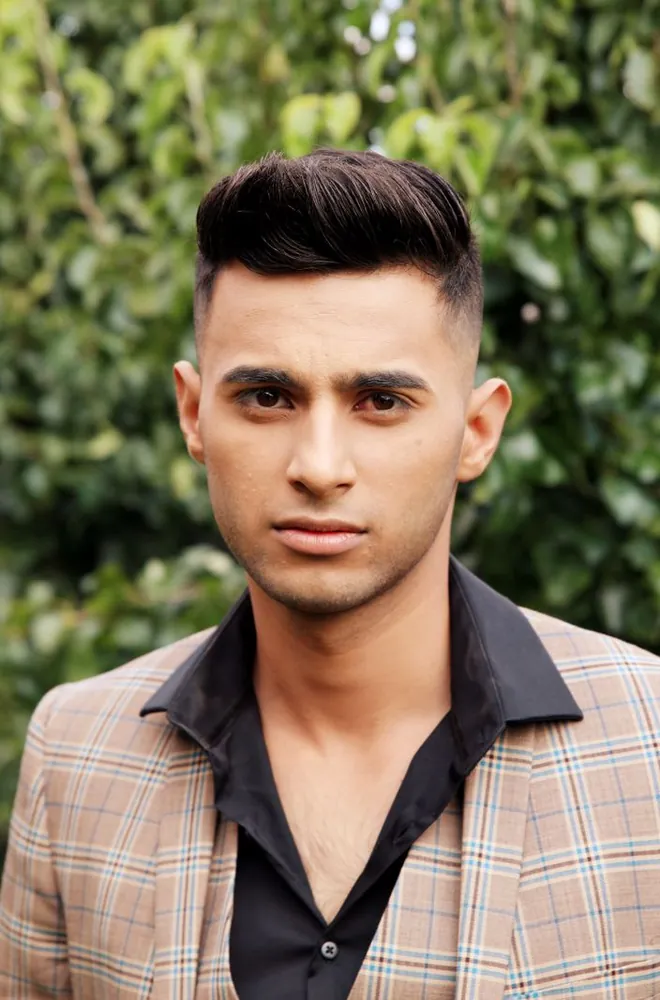
20. Disconnected Blowout Mid Taper Fade
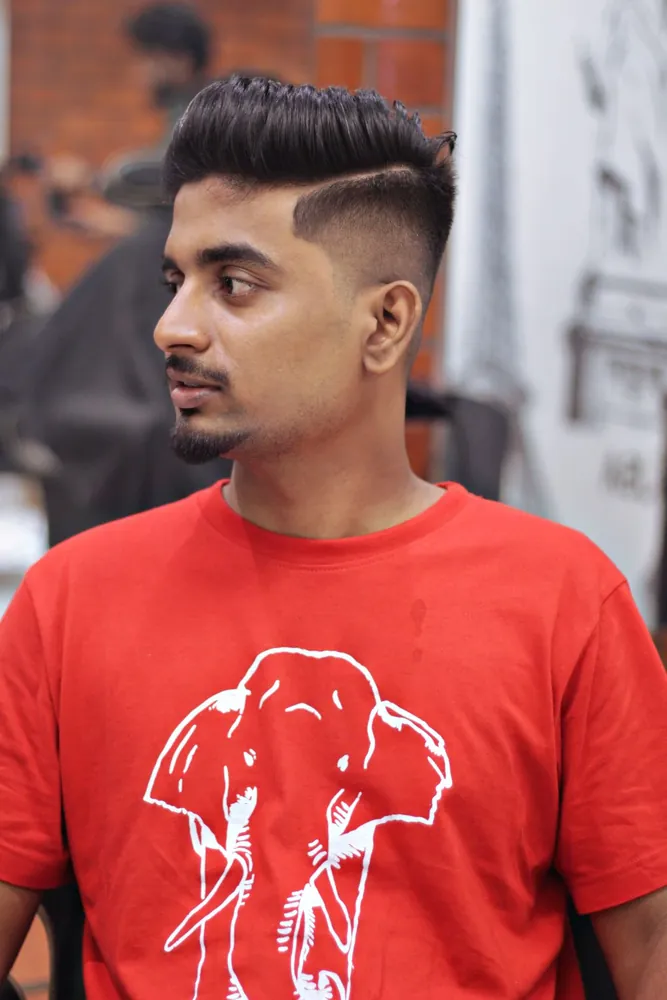
21. Heavy Crown Blowout Mid Taper Fade

22. Drop Fade Blowout Mid Taper Fade
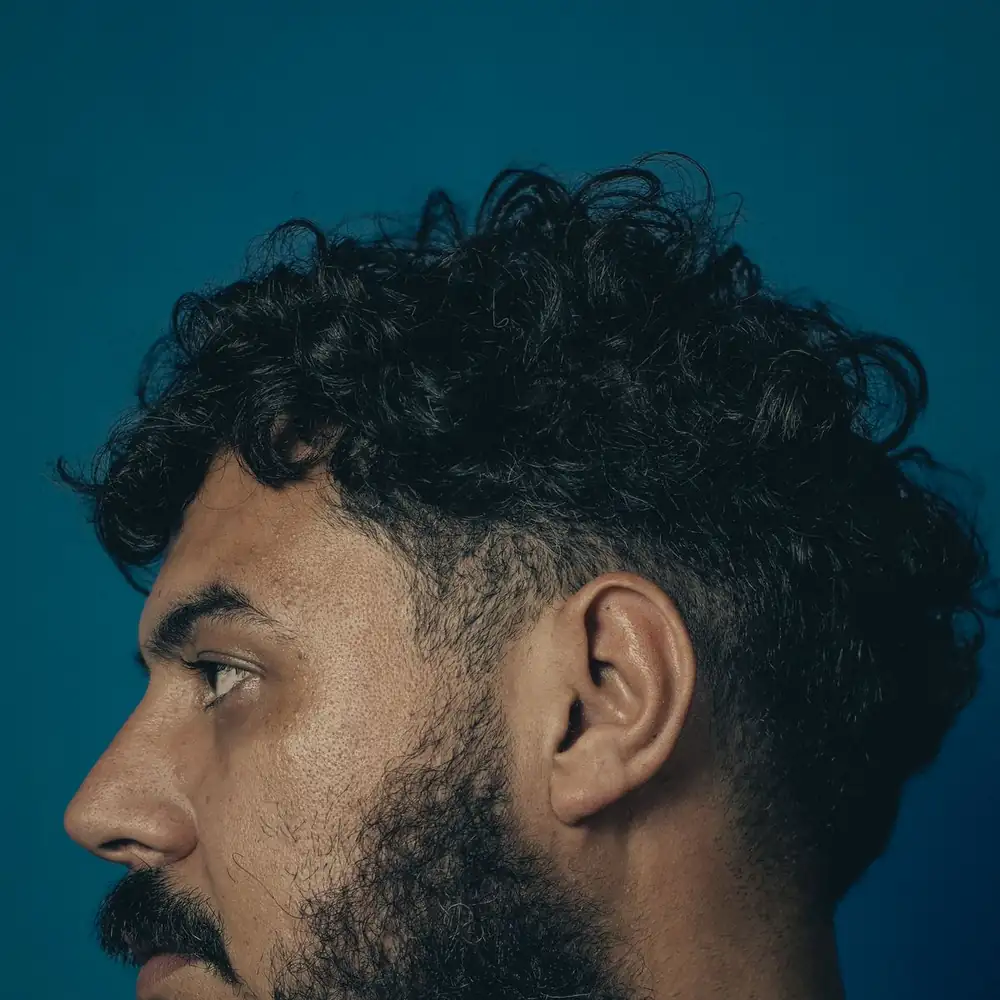
23. Flipped Fringe Blowout Mid Taper Fade
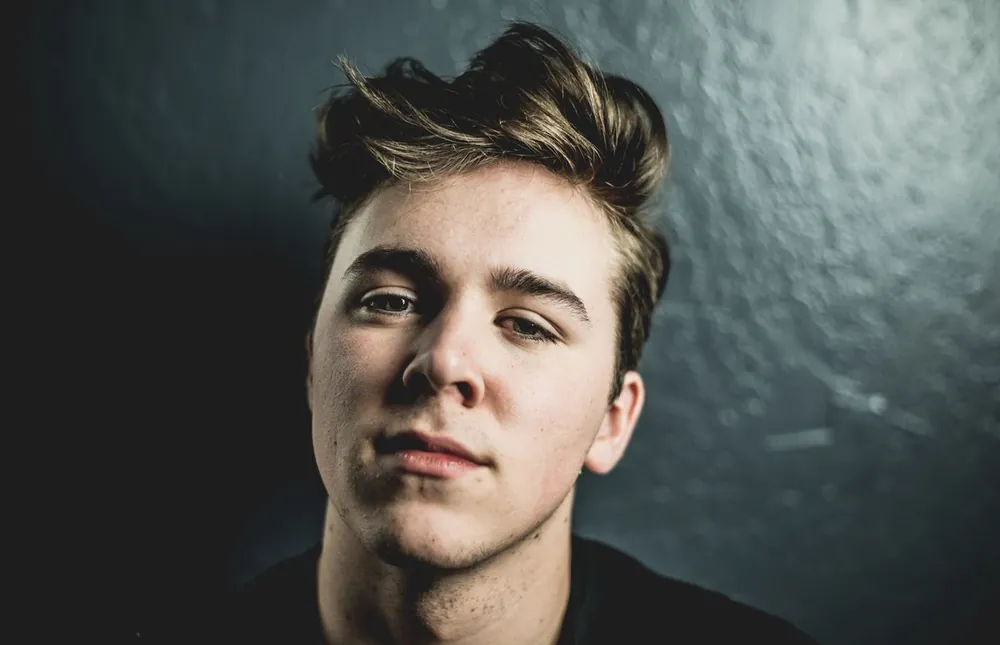
24.Undercut Blowout Mid Taper Fade
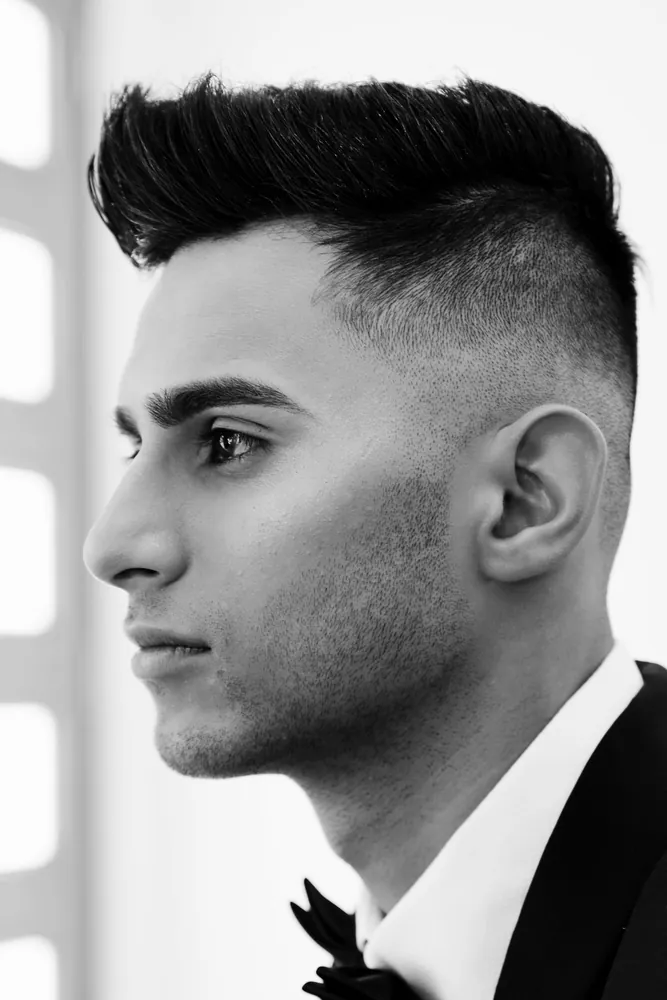
25. Side Part Blowout Mid Taper Fade

Before & After: What a Mid Taper Fade Blowout Changes






How to Ask Your Barber for a Mid Taper Fade Blowout
Key Phrases to Use With Your Barber
Choosing the Right Length or Guard Number
Common Mistakes to Mention
How Much Does a Mid Taper Fade Blowout Cost?
Shop type Typical price (2026) What you usually get Budget chain $25-$40 The cut and a quick dry-off. The full blowout finish varies by stylist. Independent barbershop $30-$50 The cut plus a proper blow-dry finish. This is the most common price band. Premium or big-city shop $55-$75+ Senior barber, wash included, and a styled finish. New York and similar markets sit here. What a Blowout Really Costs Per Year
Mid Taper Fade Blowout Video Guide
Blowout Tools: Dryers, Brushes, and Nozzles
Tool What it does Best for Concentrator nozzle Focuses airflow at the roots Every blowout Diffuser Spreads air gently and keeps the curl pattern Curly and coily hair Round brush, 1.5–2 inch Rolls hair up for smooth volume Straight and wavy hair Vent brush Lets air pass through for fast drying Short tops and textured cuts Heat protectant spray Shields hair from dryer heat Every blowout, every day Round Brush Size: What to Pick
How to Style a Blowout Mid Taper Fade at Home
Common Mid Taper Fade Blowout Mistakes to Avoid
How to Maintain a Mid Taper Fade Blowout
Touch-Up Schedule
Daily Styling Routine
Heat Protectant and Hair Health
Products That Work Best
Product What it does Best hair type When to apply Volumizing mousse Builds lift at the roots Fine and straight Damp hair, before drying Matte clay Locks shape without shine Most types Dry hair, pea-sized finish Texture powder Adds grip and instant lift Fine and flat Dry roots, midday refresh Sea salt spray Adds texture and grip Wavy and straight Damp hair, before drying Anti-frizz spray Tames frizz in humidity Thick and wavy After drying, light mist Best Mid Taper Fade Blowout by Face Shape
Oval Face
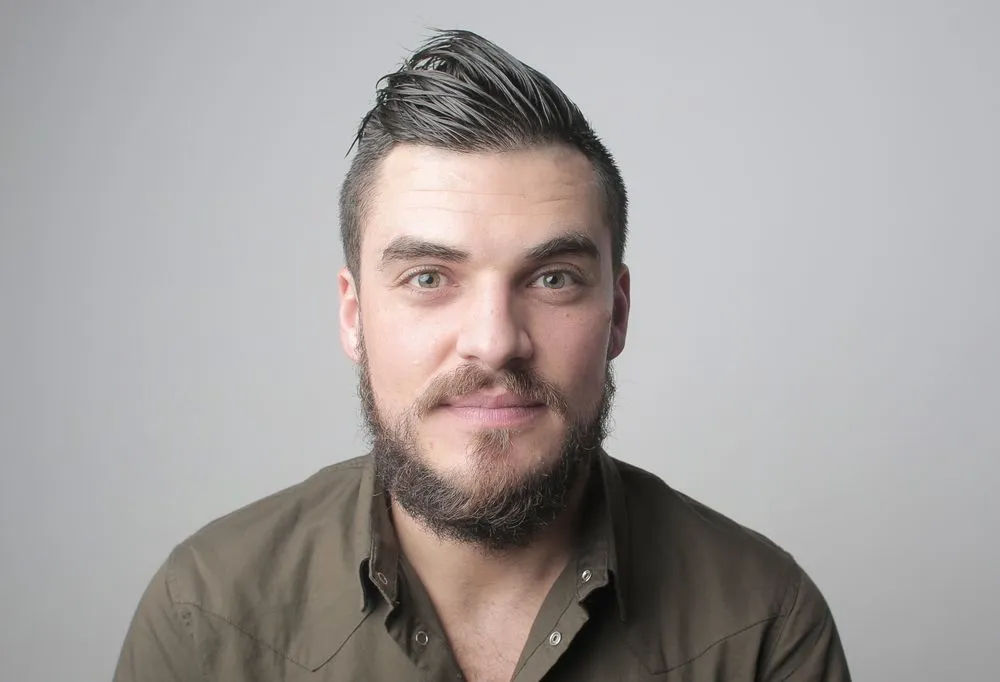
Round Face

Square Face

Long Face

Best Mid Taper Fade Blowout Styles by Age Group
Teenagers
Young Men
Professional Men
Mid vs Low vs High Blowout Taper: Which Height Suits You?
Low blowout taper Mid blowout taper High blowout taper Fade starts Just above the ears Around the temples Above the temples Contrast Soft and subtle Balanced Bold and sharp Grow-out Neatest for longest Tidy for 2 to 3 weeks Shows growth fastest Best first try Yes, safest Yes, most versatile Only if you like bold looks Mid Taper Fade Blowout vs Other Styles
Blowout vs Slick Back
Blowout vs Pompadour
Blowout Taper vs Blowout Fade
Frequently Asked Questions
How Much Length Do You Need on Top for a Blowout?
Does a Blowout Work With Curly Hair?
How Long Does a Mid Taper Fade Blowout Last?
Is a Blowout High Maintenance?
What’s the Best Product for a Mid Taper Fade Blowout?
What is a blowout taper fade?
How do I style a blowout taper at home?
Does a blowout taper work for straight hair?
How do I ask my barber for a blowout taper fade?
Can I do a blowout taper fade at home without a barber?
How Much Does a Mid Taper Fade Blowout Cost?
How Long Does a Blowout Taper Last?
How Long Does Hair Need to Be for a Blowout Taper?
Mid Taper Blowout or Low Taper Blowout: Which Should I Get First?
Why Does My Blowout Fall Flat by Midday?
Does Blow-Drying Every Day Damage Your Hair?
Is a Blowout Taper Good for Thin or Fine Hair?
What size round brush should I use for a blowout taper?
Can a blowout taper air-dry, or do I need a dryer every day?
What is the difference between a blowout taper and a blowout fade?
How do I refresh a blowout on day 2 without washing my hair?
Is an ionic or ceramic dryer better for a blowout?
Conclusion
About the Author