Low Taper Fade: 20 Styles, Tips & Photos (2026)
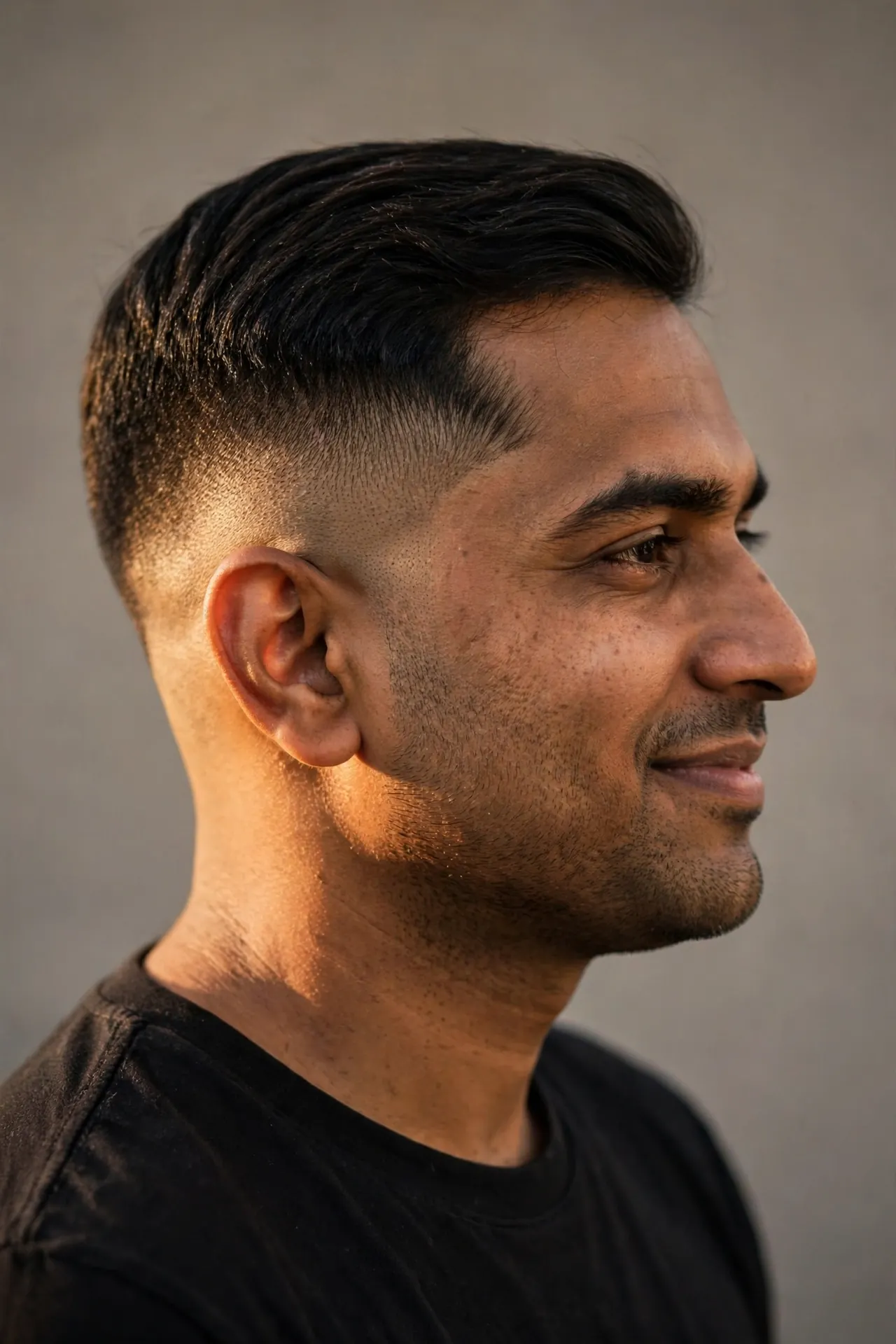
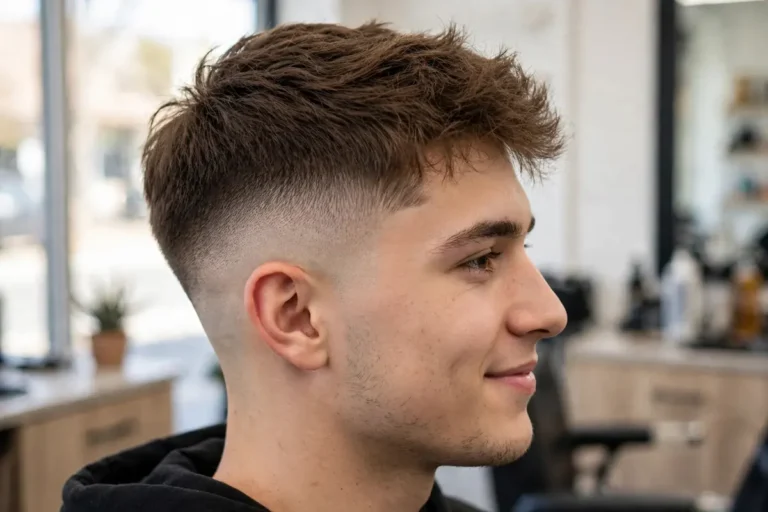
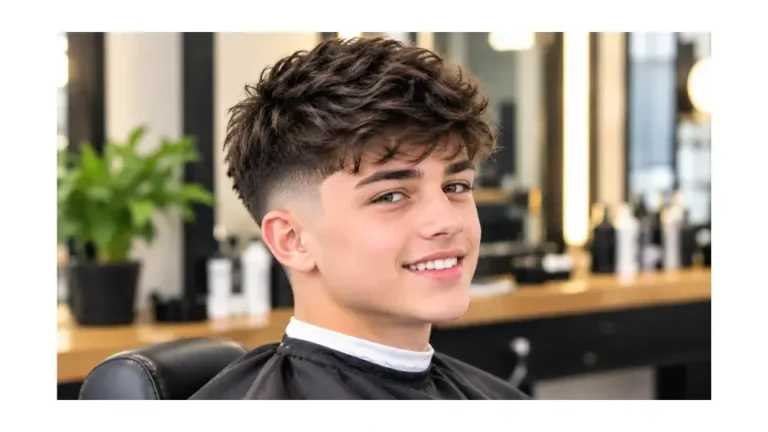
A low taper fade is the quietest way to look sharp. The fade sits low — just above the ears and around the neckline — so the cut stays subtle while the top does the talking. If full fades feel too aggressive for your workplace or your face, this is the middle ground. Below: 20 low taper fade styles with photos, plus exactly what to tell your barber.
Table of Contents
- Low Taper Fade Explained: What It Is and Who It Suits
- Why the Low Taper Fade Is Everywhere in 2026
- Low Taper vs Mid Taper vs High Taper: The Real Difference
- Low Taper Fade: Honest Pros and Cons
- 20 Best Low Taper Fade Styles: The Gallery
- Choosing Your Low Taper Fade: Hair Type Breakdown
- Low Taper Fade by Face Shape: What Works
- Low Taper Fade by Age: Teens to Professionals
- How to Ask Your Barber for a Low Taper Fade: Exact Scripts
- Low Taper Fade Tutorial: Video Walkthrough
- Low Taper Fade Mistakes: 6 Ways Men Get It Wrong
- Maintaining a Low Taper Fade: The Real Routine
- Low Taper Fade FAQs: Everything Men Ask
- About the Author
- Conclusion: Is the Low Taper Fade Your Cut?
Low Taper Fade Explained: What It Is and Who It Suits
A low taper fade is a haircut where the hair gradually shortens near the bottom of the sides and back — around the ears and neckline — while the top stays longer. Unlike higher fades, the blend starts low on the head, which keeps the overall look conservative and clean. It suits men who want neat edges without dramatic contrast.
The key word is taper, not fade. A taper gradually shortens the hair without ever taking it down to skin (unless you ask for it). That makes the low taper fade haircut one of the most forgiving cuts in the shop — it grows out gracefully and suits nearly every workplace.
Low Taper Fade at a Glance
| Detail | Low Taper Fade |
|---|---|
| Blend starts | Just above the ears and neckline |
| Skin showing | Minimal to none |
| Typical guards | 0 to 2 at the bottom; 3 to 4 above the taper |
| Touch-up interval | Every 3 to 4 weeks |
| Best for | First-time fade wearers, offices, low upkeep |
For the full guard breakdown, see our taper fade guard numbers guide. If you are still choosing between taper lengths, our fade vs taper guide explains the whole family.
Why the Low Taper Fade Is Everywhere in 2026
The low taper fade dominates 2026 because grooming has swung back toward cleaner, office-friendly cuts. It works with almost every top style — curls, crops, slick backs, long tops — so one cut covers many looks without a restart.
It also photographs well from every angle, which matters in a year when most first impressions happen on a screen. And because the blend sits low, it flatters men who found mid or high fades too harsh against their face shape.
Low Taper vs Mid Taper vs High Taper: The Real Difference
A low taper starts at the top of the ear, a mid taper at the temple, and a high taper near the crown. That height is the whole difference — the higher the blend climbs, the more side hair comes off and the more often you need a touch-up.
| Cut | Blend starts | Shortest guard | Skin showing | Touch-up | Best for |
|---|---|---|---|---|---|
| Low taper fade | Top of the ear | 0 to 1 | Minimal | Every 3 to 4 weeks | First fades, offices, low upkeep |
| Mid taper fade | Around the temple | 0 to 1 | Moderate | Every 2 to 3 weeks | Visible shape, sporty look |
| High taper fade | Near the crown | 0 to skin | High | Every 1 to 2 weeks | Bold contrast, short tops |
Still torn? Our full head-to-head — low taper vs mid taper — covers guard sequences, grow-out, and which face shapes suit each height. And if the mid taper is calling your name, our main mid taper guide covers the full cut.
Should You Get a Low Taper or a Mid Taper?
Pick the low taper for subtlety and slow grow-out, or the mid taper if you want the shape visible from the front.
Low Taper Fade: Honest Pros and Cons
| Pros | Cons |
|---|---|
| Subtle and professional — passes every dress code | Needs a touch-up every 3–4 weeks to stay tidy (2–3 weeks to stay crisp) |
| Suits most face shapes and hair types | Too quiet if you want bold, high-contrast style |
| Grows out gracefully without an awkward phase | A sloppy blend shows fast at the neckline |
| Works with any top length, short to long | Curly and coily hair needs a barber who understands texture |
| Quick barber visits — the cut itself is simple | — |
20 Best Low Taper Fade Styles: The Gallery
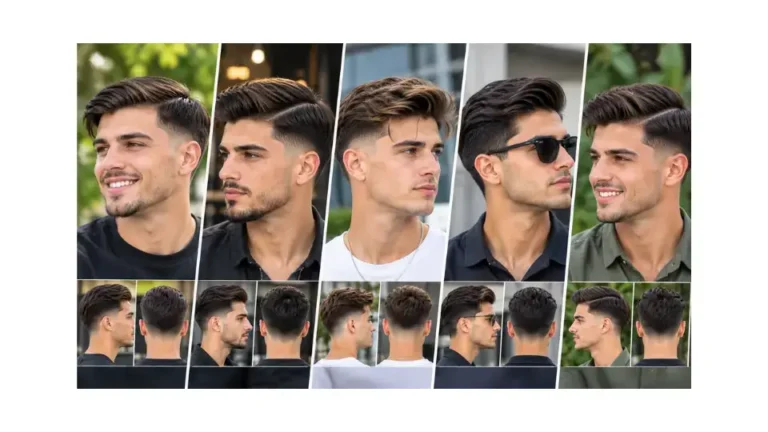
Twenty distinct ways to wear the low taper fade haircut, grouped by vibe. Find the group that matches your hair and your life, then show your barber the photo. Twenty numbered styles follow, plus four bonus variations after them — straight hair, short crop, medium length, and thin hair.
Classic and Clean
Four timeless options. These never look dated and never cause problems at work.
1. Classic Low Taper Fade
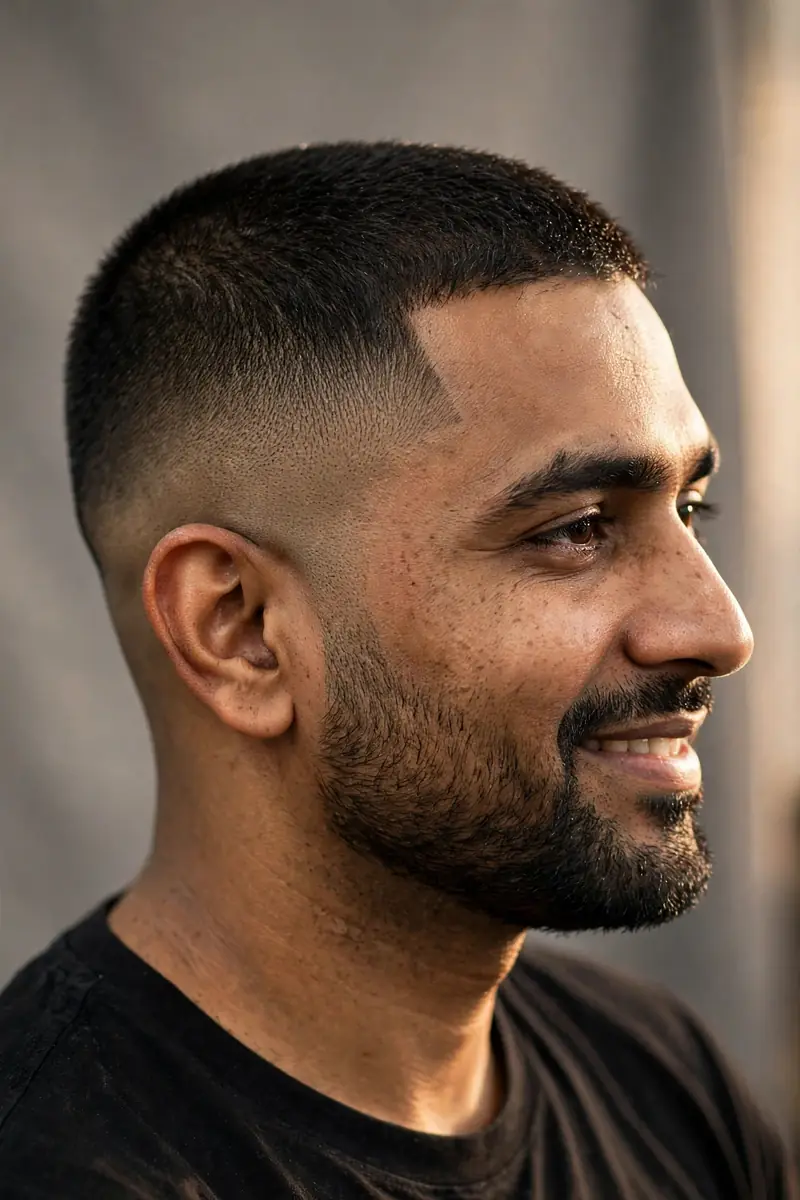
The classic low taper fade keeps the blend tight around the ears and neckline while leaving everything above nearly untouched. It’s the baseline every barber learns first, which means almost any shop can execute it well.
Best for: first-timers and conservative workplaces.
2. Low Taper Fade with Side Part

A sharp side part on top with a low taper on the sides reads polished without trying hard. The part gives the top direction, so the cut looks intentional even on busy mornings.
Styling tip: comb the part in while hair is damp, then leave it alone — fussing with it all day ruins the line.
3. Low Taper Fade with Comb Over

The comb over pairs a neat, swept top with a low taper that keeps the sides quiet. It creates the impression of fullness on top, which finer hair benefits from.
Works well for: fine or thinning hair.
4. Low Taper Fade with Buzz Cut

A buzz cut with a low taper around the edges looks deliberate instead of DIY. The taper cleans up the ears and neckline while the top stays uniform and low-maintenance.
Barber tip: ask for the taper even with a buzz — it’s what separates a $15 cut from a $30 look.
Textured and Modern
Choppy, piece-y tops with a neat low taper underneath. The most requested group of 2026.
5. Low Taper Fade with Textured Top

Choppy layers on top with a low taper below is the most requested combination this year. The texture hides the transition between lengths, so grow-out looks better for longer.
Best for: straight to wavy hair that tends to fall flat.
6. Low Taper Fade with Messy Top

The messy top keeps length and movement up top while the low taper handles the neatness below. It suits guys who want style without a morning routine.
Ask your barber for: point-cut texture, not blunt ends — blunt ends can’t look messy on purpose.
7. Low Taper Fade with French Crop

A short, straight fringe with a low taper is low-effort and sharp. The crop’s horizontal line contrasts nicely with the taper’s soft blend.
Works well for: larger foreheads and rounder faces.
8. Low Taper Fade with Fringe

A longer fringe worn forward over a low taper gives a softer, youthful frame. Keep the fringe piece-y rather than heavy so it doesn’t read as a bowl cut. Our fringe taper guide covers fringe lengths in full.
Styling tip: a pea-sized amount of matte paste through dry hair — never wet-look gel here.
Volume and Length
Height on top, clean at the edges. These need a little daily effort and reward it.
9. Low Taper Fade with Quiff

The quiff’s lift up front plus a low taper’s clean sides is a pairing that still photographs well. Height on top elongates the face, which rounder faces appreciate.
Best for: round faces and medium-length tops.
10. Low Taper Fade with Pompadour

A pompadour needs density and height; the low taper keeps the sides from competing with it. This is a statement cut — commit to the styling time or skip it.
Barber tip: the top needs at least 3 inches to build a real pomp. Less than that, pick the quiff instead.
11. Low Taper Fade with Blowout

Blow-dried volume on top with a low taper underneath gives that airy, full look. A round brush and three minutes of heat do most of the work. Our blowout taper guide covers the full blowout routine.
Pairs with: thick or wavy hair that holds volume through the day.
12. Low Taper Fade with Slick Back

A slicked-back top over a low taper is the boardroom version of the fade. Water-based pomade gives the shine; the low taper keeps it from looking severe.
Works well for: professional settings and formal events.
13. Low Taper Fade with Long Top
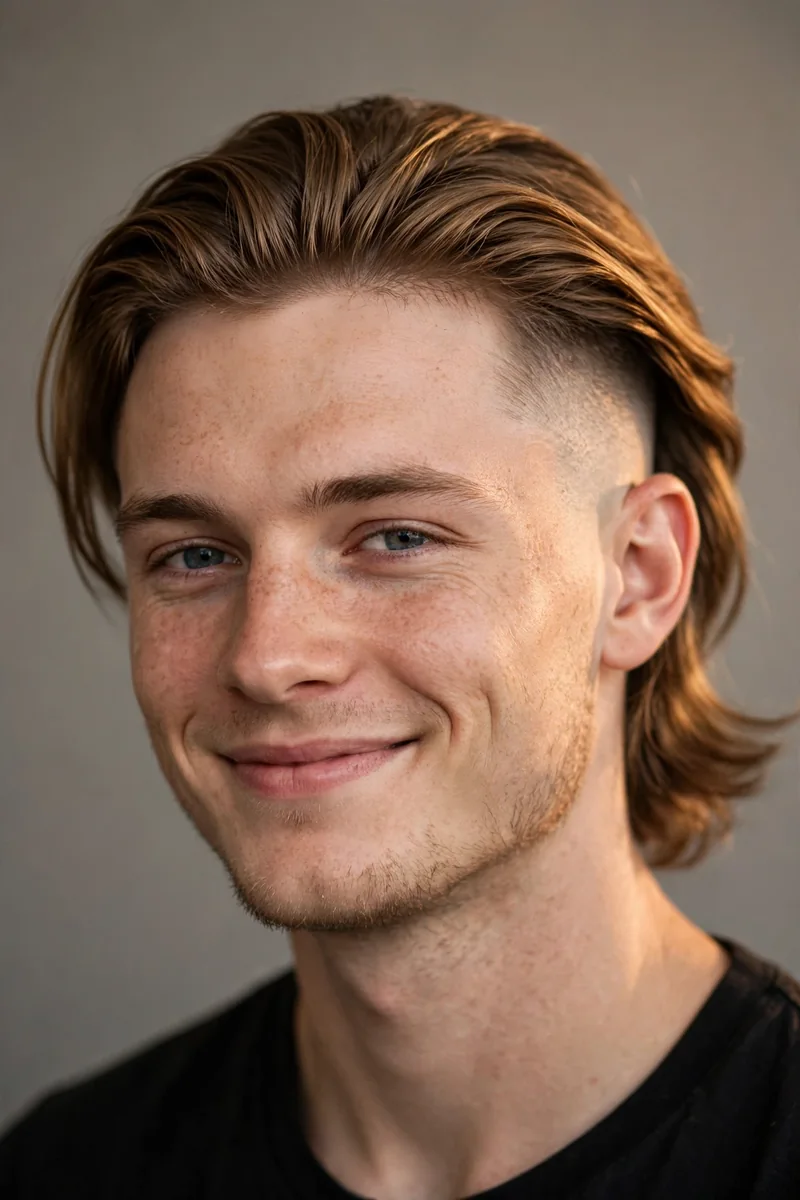
Long hair on top with just the edges tapered is the lowest-commitment fade there is. You keep your length; the barber only cleans the perimeter.
Best for: growing hair out, or wavy lengths that need taming at the edges.
Curls, Coils and Natural Texture
The low taper was practically made for textured hair — it controls the edges and lets the natural pattern lead.
14. Low Taper Fade with Curly Top

Curls on top with a low taper is one of the most flattering combinations for curly hair. The taper controls the sides so the curls get all the attention. Our curly taper guide covers curl-specific shaping in full.
See our curl-specific ideas for more ways to wear this pairing.
15. Low Taper Fade with 360 Waves
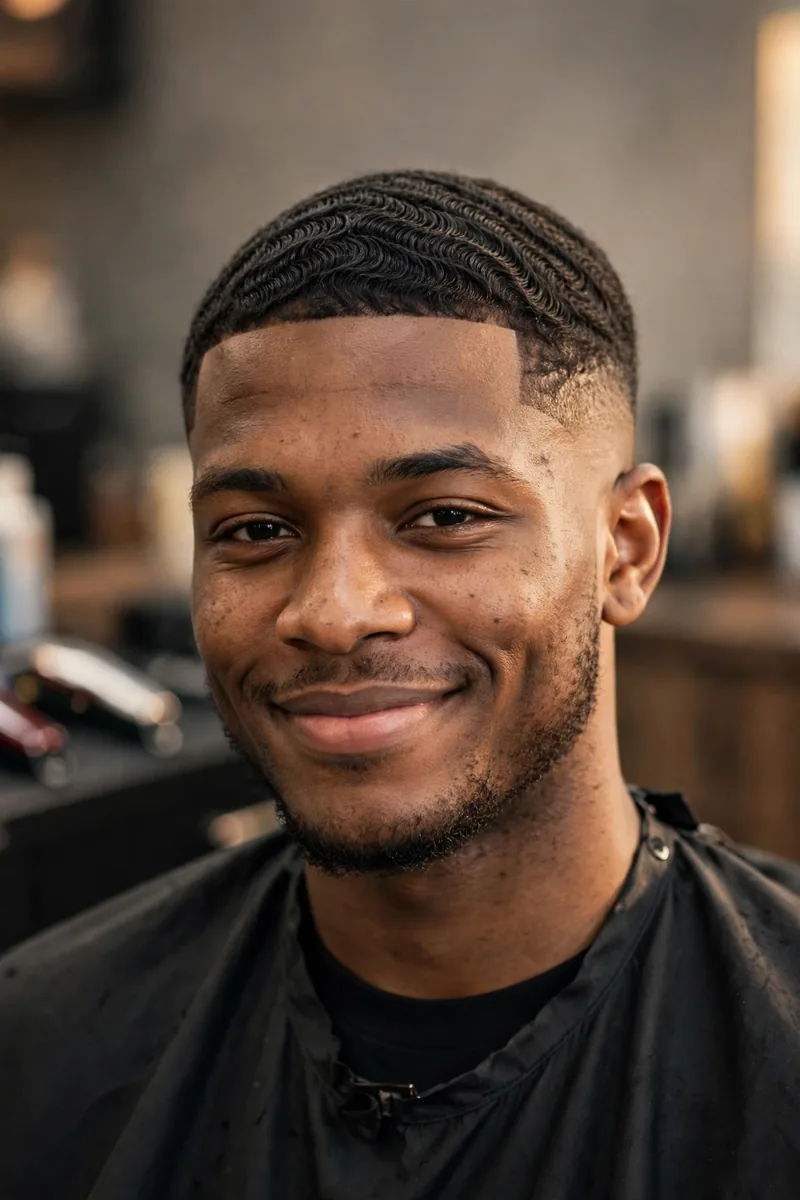
Waves need consistent brushing, and the low taper frames them without stealing focus. Keep the top at a wave-friendly length — too short and the pattern breaks up.
Barber tip: tell your barber you wear waves before they pick up the clippers, so they don’t cut against the pattern.
16. Low Taper Fade with Afro

A shaped afro with a low taper around the hairline looks sculpted, not shrunken. The taper defines the edges while the afro keeps its fullness.
Works well for: coily hair worn with shape.
17. Low Taper Fade with Locs

Locs pulled up or back with a low taper underneath stay neat for weeks. The taper handles new growth around the edges between retwists.
Best for: medium to long locs.
18. Low Taper Fade with Braids
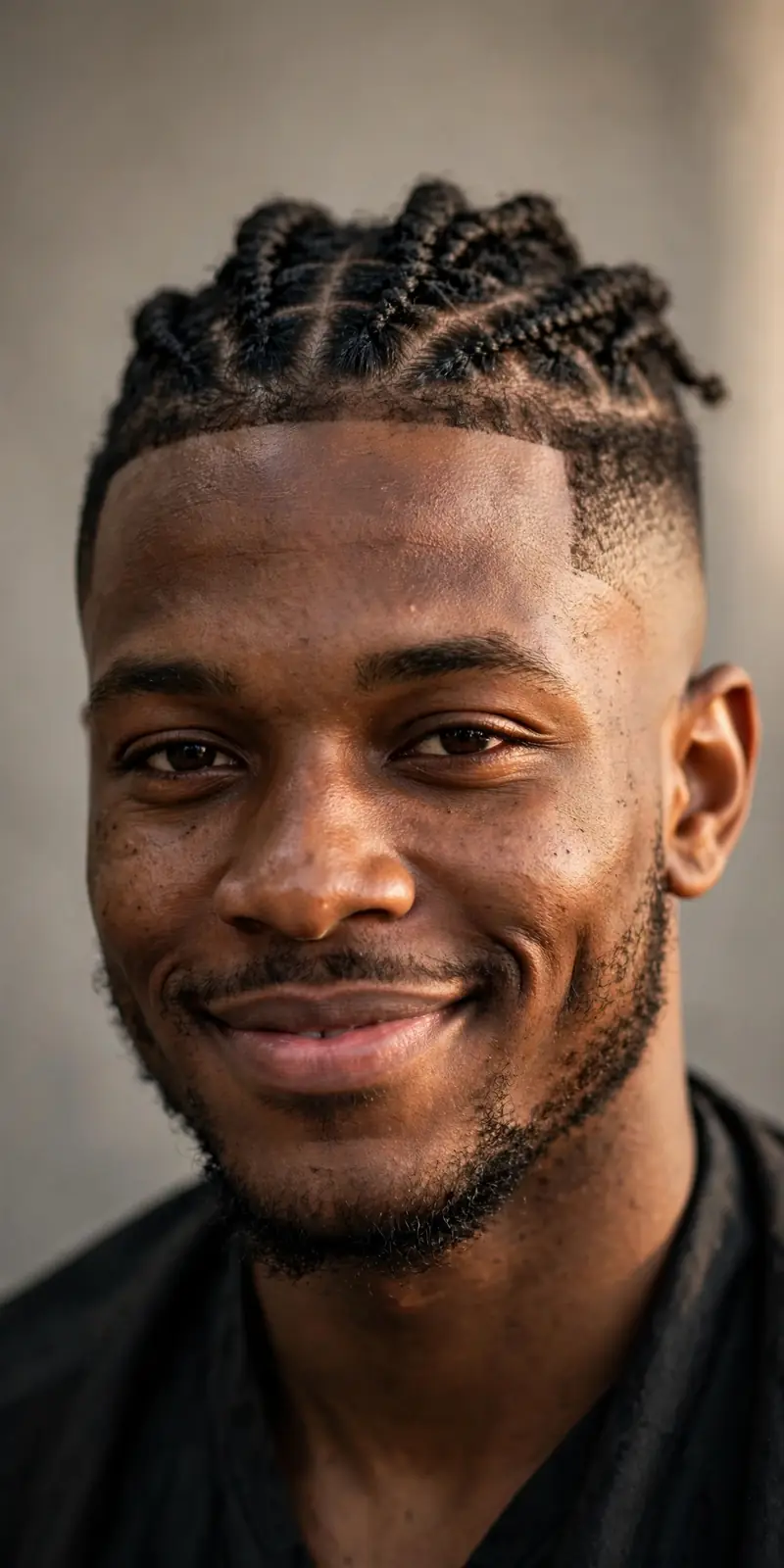
Braids with tapered sides last longer and look cleaner at the hairline. Cornrows and box braids both work — the taper just frames them.
Styling tip: get the taper touched up halfway through the braids’ lifespan to keep the edges crisp.
Bold Statements
Two ways to push the low taper harder without going full skin fade.
19. Low Taper Fade with Faux Hawk
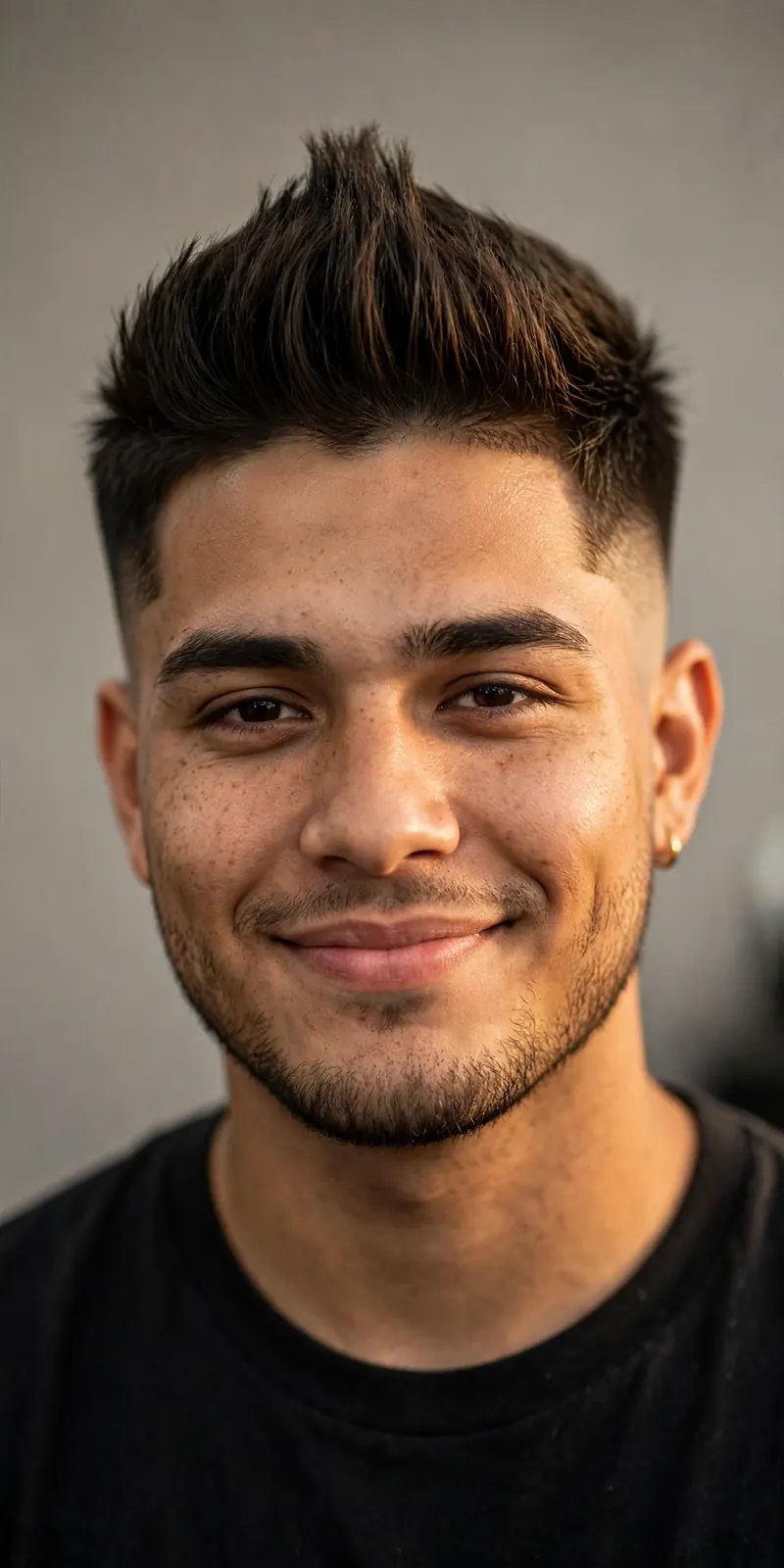
A faux hawk with a low taper — not a skin fade — is the wearable version of the mohawk. The center strip carries the edge; the low taper keeps it from screaming.
Best for: guys who want edge without the office risk.
20. Low Taper Fade with Beard
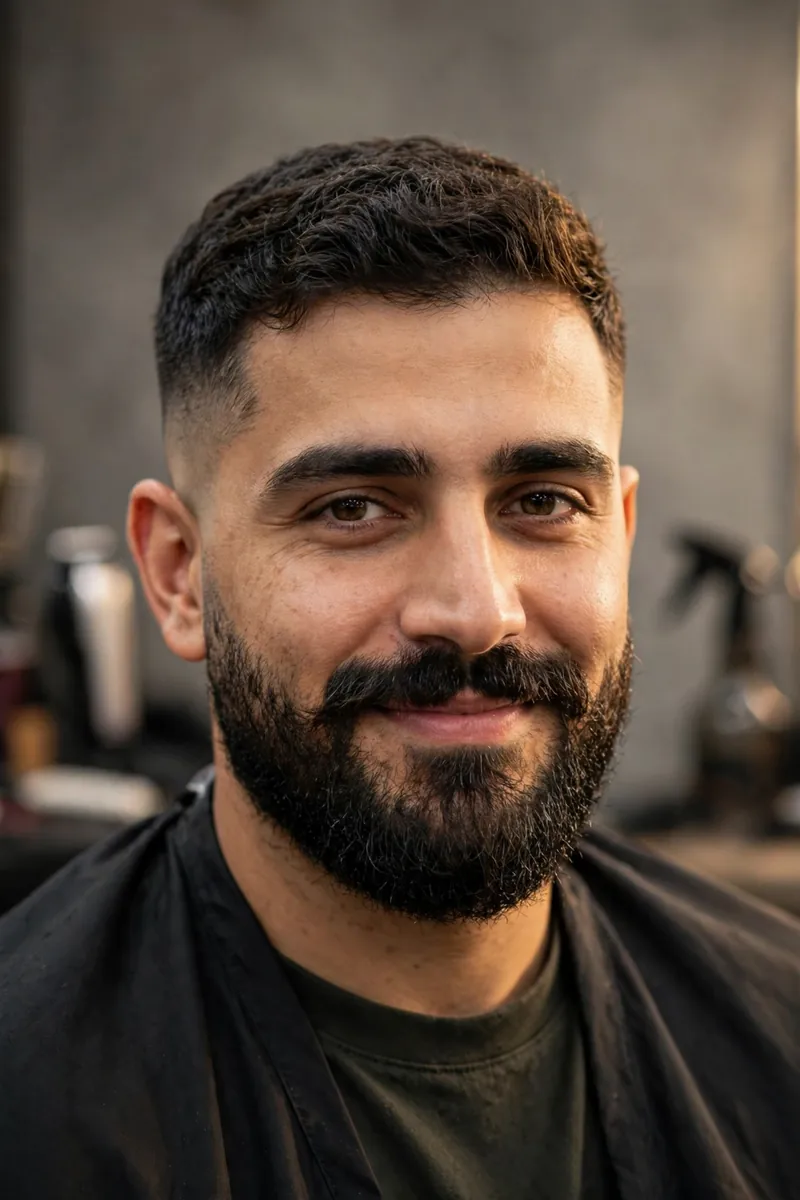
The low taper flows straight into a beard with no harsh line at the sideburn. That transition makes or breaks the whole look.
Barber tip: ask them to blend the sideburn into the beard — a carved hard line ruins an otherwise clean cut.
More Low Taper Variations
Four more variations from the new package, kept separate from the 20 styles above so the gallery count is unchanged.
Low Taper Fade for Straight Hair
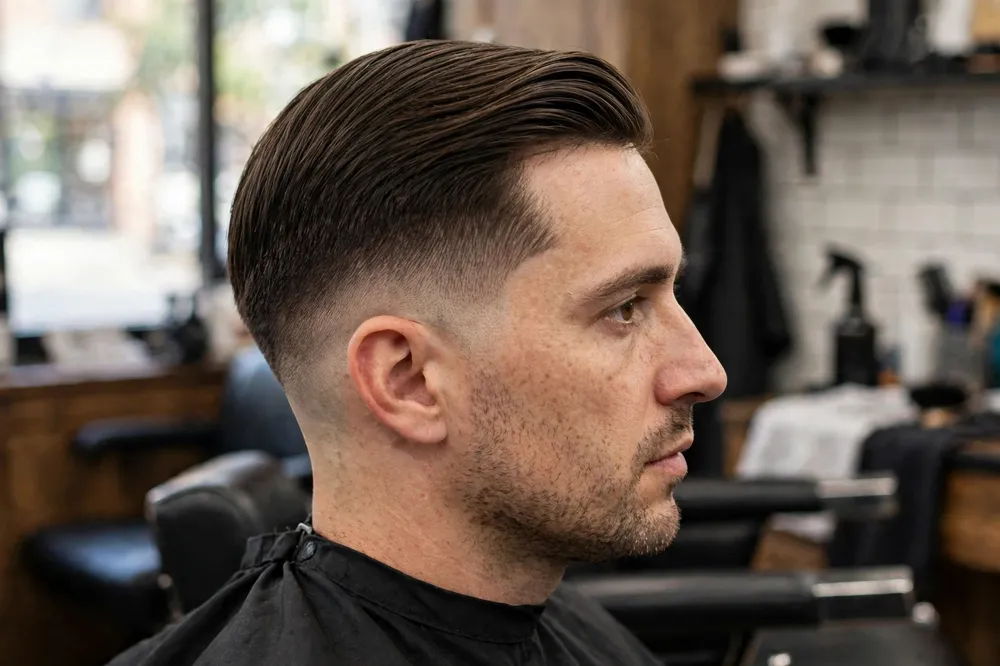
Straight hair shows the taper line most clearly, so a low taper keeps it soft and forgiving. Straight hair lies flat, so any harsh line would stand out fast. The low taper avoids that problem by keeping the transition gradual. A light styling cream adds control without stiffness.
Best for: straight or fine hair, long and oval faces. Ask your barber: a low taper with a gradual blend, no skin showing. See our straight hair taper guide for more straight-hair options.
Short Low Taper Fade Crop
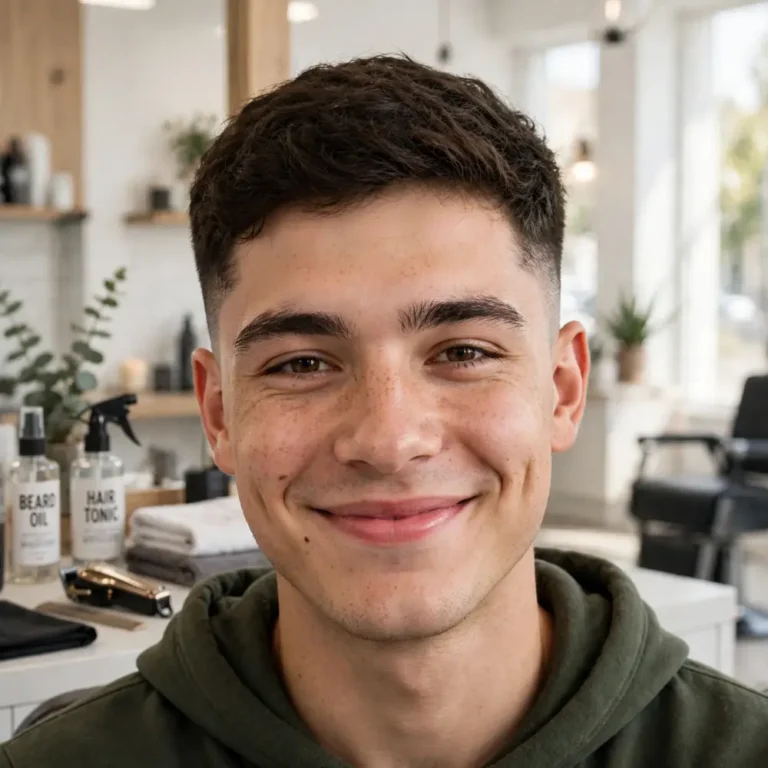
Keep the top under an inch with a short, even cut. The low taper tidies the edges without exposing skin. It is a clean summer cut that still looks intentional.
Best for: fine or thinning hair, hot climates. Ask your barber: a short crop with a low taper, edges blended soft.
Medium-Length Low Taper Fade
With three to four inches on top, you can sweep it, part it, or wear it messy. The low taper keeps the sides tidy no matter how you style the top. It needs a little daily effort, but it rewards it.
Best for: thick or wavy hair, men who change styles often. Ask your barber: medium length on top with a low taper.
Low Taper Fade for Thin Hair
For thin hair, a low taper is the kindest cut, because it keeps every bit of coverage. Shorter sides would expose the scalp, but a low taper keeps the sides full. Keep the top slightly longer and textured so it looks denser. Avoid heavy products that flatten thin hair.
Best for: fine or thinning hair, mature men. Ask your barber: a low taper with no skin showing, top textured for fullness.
For carved lines and patterns that sit above a taper, see our taper designs guide.
Choosing Your Low Taper Fade: Hair Type Breakdown
Match the cut to your hair’s natural behavior, not against it. A low taper fade haircut adapts to every texture — the top styling is what changes.
Curly Hair
Keep the top longer so curls have room to form, and let the low taper handle the sides. See our curl-specific ideas for the full breakdown.
Straight Hair
Texture is everything — ask for point cutting or a textured crop on top so straight hair doesn’t lie flat and lifeless. Our straight-hair taper guide covers the routine in detail.
Wavy Hair
Wavy hair is the easiest match for a low taper: natural movement on top, clean edges below. A light matte product is all the styling most wavy tops need.
Coily and 4C Hair
The low taper defines the hairline and neckline while coils keep their volume up top. Pick a barber experienced with clippers on coily texture — the blend technique differs from straight hair.
Thin or Fine Hair
Keep the top at medium length with texture, and skip heavy products that flatten everything. The low taper’s subtlety works in your favor here — nothing exposes thin sides faster than a high-contrast fade.
Who Should Modify — or Skip — a Low Taper?
Skip it if you want a bold, high-contrast cut, and keep the bottom at a 0.5 or 1 — never skin — if your hair is very fine or your crown is thinning.
- Want visible contrast from the front? Ask for a mid or high taper instead.
- Very fine hair? A shadow bottom (0.5 or 1 guard) hides thin spots better than skin.
- Thinning crown? The taper will not fix top density — pick the top style for where your density is strongest.
Low Taper Fade by Face Shape: What Works
Oval Faces

Almost every low taper variation works. Oval faces are the baseline — pick based on hair type and lifestyle instead.
Round Faces
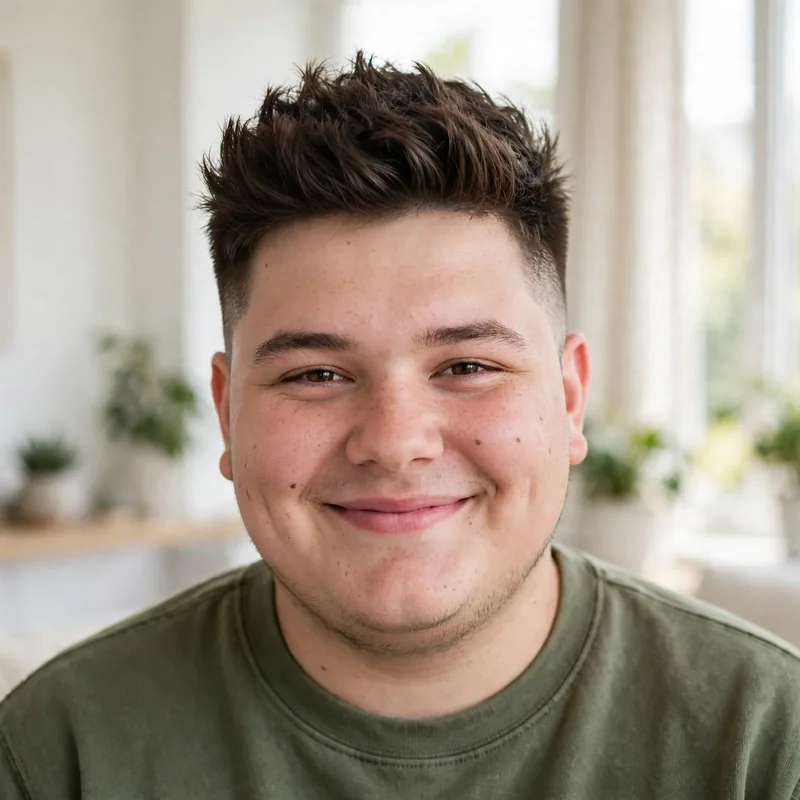
Add height on top: quiff, pompadour, or textured volume. Height elongates the face, while the low taper keeps the sides from adding width.
Square Faces

Soften the jaw with some length on top — messy tops and side parts work well. Avoid buzz-length tops, which emphasize every angle.
Heart Faces

Balance a wider forehead with volume at the temples: side parts and textured tops. Keep the taper truly low so the lower face doesn’t look narrower.
Oblong Faces
Skip tall quiffs and pompadours — they add length you don’t need. Crops, fringes, and side parts keep proportions balanced.
Diamond Faces
Soften sharp cheekbones with a textured or messy top. A fringe also helps by breaking up the forehead width.
Low Taper Fade by Age: Teens to Professionals
Teenagers
Textured tops, fringes, and messy styles. These need the least product and survive school days, sports, and zero styling effort.
Men in Their 20s and 30s
The full menu is open: quiffs, slick backs, curls, faux hawks. This is the decade to experiment — the low taper keeps every version wearable.
Professional Men Over 35
Side parts, comb overs, classic tapers, slick backs. Clean, intentional, and boardroom-safe without looking dated.
How to Ask Your Barber for a Low Taper Fade: Exact Scripts
Walk in with the right words and you walk out with the right cut. The low taper fade lives or dies on two details: how low the blend starts, and how it finishes at the neckline.
Guard numbers to know: barbers usually start the taper around a #0 or #1 at the very bottom edge, blending up to a #2 or #3. The top is clipper-free — that’s all scissor work.
| Area | Guard | Length |
|---|---|---|
| Hairline edge | Bare blade / Guard 0 | Skin to stubble |
| Lower blend | Guard 0.5 to 1 | About 1.5 to 3 mm |
| Mid blend | Guard 1.5 to 2 | About 4 to 6 mm |
| Sides above the taper | Guard 3 to 4, or scissor-cut | About 10 to 13 mm |
| Top | Scissors | Length as styled |
Guards vary slightly by hair density, so confirm the numbers with your barber first. See our taper fade guard numbers guide for the full chart.
Should You Ask for Skin or Shadow at the Bottom?
Ask for shadow — a 0.5 or 1 guard at the bottom — and ask for skin only if you want maximum sharpness and a touch-up every 2 weeks.
Script 1 — the classic ask:
“I’d like a low taper fade. Keep the taper low — just around the ears and the neckline, blended from a zero up to a two. Leave the top [say your length, e.g. ‘about three inches’] with some texture.”
Script 2 — with a photo (recommended):
“Something like this photo. Low taper on the sides — keep it subtle, I don’t want it high. Clean up the neckline, and [describe the top: ‘texture it’ / ‘leave the length’ / ‘keep the fringe.’]”
What NOT to say: don’t ask for a “low fade” — that’s a different cut in the skin-fade family and you’ll get much shorter sides than you want. And never say “just clean it up” without specifying low — most barbers default to a mid taper.
Barber checklist — six steps:
- Say “low taper fade” by name, not just “a taper.”
- Point just above your ears and say the blend starts here.
- Confirm guard 3 to 4 for the bottom of the blend.
- State your top length and how you style it daily.
- Ask for a taper, not skin, so no bare strip appears.
- Show a photo of the exact style you picked above.
Low Taper Fade Tutorial: Video Walkthrough
Watch a barber do the blend in real time before your appointment. Pay attention to where the shortest guard sits — that’s the “low” in low taper, and it’s the detail most DIY attempts get wrong.
This step-by-step tutorial from barber David Escamilla shows the full low taper process — the guideline, the guard progression from 0 to 2, and the blend into the top. Watch the lever work, not just the guards: the taper lever does half the blending.
Three things to watch: where the guideline sits (just above the ear), how the barber flicks the lever open to erase the line, and how the neckline is tapered rather than blocked.
Low Taper Fade Mistakes: 6 Ways Men Get It Wrong
Most bad low tapers come from communication errors, not bad barbers. Fix the ask, fix the cut.
Asking for a “low fade” when you mean a “low taper.”
These are different cuts. A low fade takes the sides much shorter and higher-contrast; a low taper stays subtle. Say the word “taper” out loud at the chair, every time.
Letting the blend creep too high.
If the shortest part of the blend climbs past your temples, it’s not a low taper anymore. Watch the first pass with the clippers — that’s when you can still correct it.
Skipping the neckline cleanup.
The neckline is half the haircut on a low taper. A fuzzy neckline ruins the clean effect within days. Ask for it shaped, not just buzzed straight across.
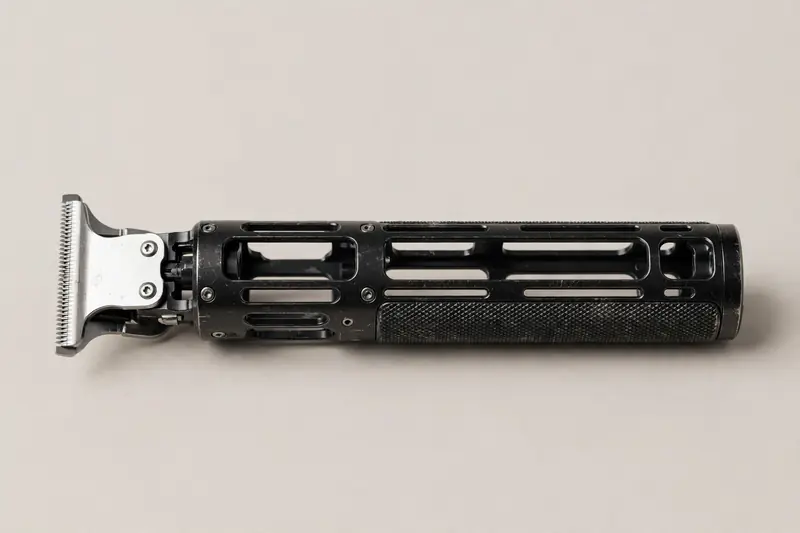
Detail Hair Trimmer
Built for necklines, edges, and around-the-ear cleanup — the finishing work that keeps a low taper looking sharp between barber visits.
Check Price on Amazon →Using the wrong product for your hair type.
Heavy wax on fine hair flattens everything; light cream on thick hair disappears by noon. Match product weight to hair density — when in doubt, start with a matte paste.
Waiting too long between touch-ups.
The low taper’s subtlety is also its weakness: it goes from sharp to shaggy with no in-between. Book every 2–3 weeks, even if it’s just an edge-up.
Showing up with no reference photo.
“Low taper” means slightly different things to different barbers. Thirty seconds finding a photo saves a three-week grow-out. Always bring one.
Cutting the top too short.
Cutting the top too short removes the styling freedom a low taper promises. Keep enough length to sweep it, part it, or texture it.
Maintaining a Low Taper Fade: The Real Routine
A low taper fade stays sharp with less effort than higher fades, but it still runs on a schedule. Here’s the honest routine.
Touch-ups: every 3 to 4 weeks for a tidy cut, every 2 to 3 weeks if you want it crisp. The taper itself is a 10-minute edge-up at most shops — cheaper than a full cut. Letting it slide to week 5 or 6 means paying for a full redo.
Is a Low Taper Fade Really Low Maintenance?
Yes for the cut, no for the crisp look — hair grows about half an inch a month (MedlinePlus), so a tidy cut needs a touch-up every 3 to 4 weeks.
barber visits a year — low taper, every 4 weeks
barber visits a year — skin fade, every 2 weeks
At this article’s own $25–$50 per-cut range, that is about $325–$650 a year for the low taper — roughly half the cost of a skin fade at the same price per cut.
Source: MidTaperFade — arithmetic from this article’s price range ($25–$50) and touch-up intervals. Not a survey.
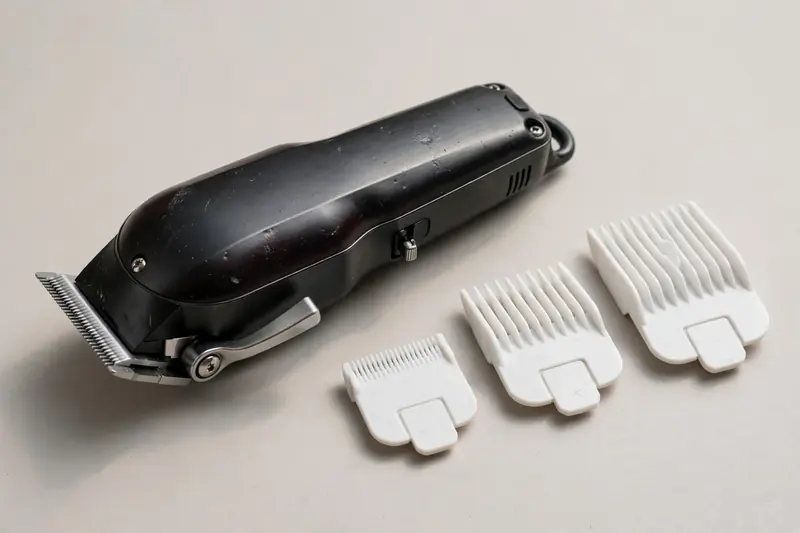
Cordless Hair Clipper with Guards
A cordless clipper with a full guard set and taper lever for 10-minute touch-ups at home between barber visits.
Check Price on Amazon →Daily: 2 minutes. Dampen the top if needed, work a small amount of product through, done. The sides need nothing between barber visits.
Washing: 2–3 times per week is enough for most hair types; daily washing strips the natural oils that keep the top manageable. Use a sulfate-free shampoo — sulfates dry out the hair and the scalp alike. The American Academy of Dermatology’s healthy hair tips back this up: gentler washing keeps hair stronger over time.
Products: one matte paste or clay covers 90% of low taper styles. Add a water-based pomade only if you wear the slick back regularly.
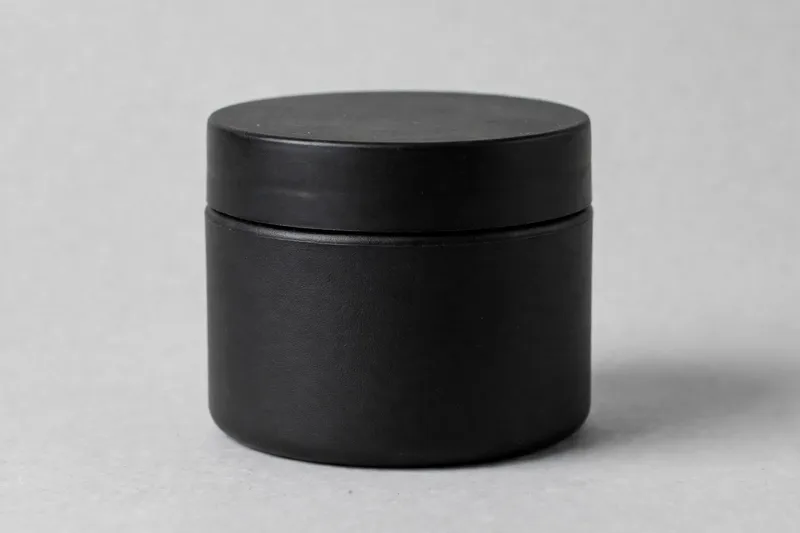
Matte Styling Clay / Pomade
A matte clay or paste gives low taper styles texture and hold without shine — a pea-sized amount through dry hair covers most tops.
Check Price on Amazon →Curl Cream
For the curly low taper styles above. It defines curls without weighing them down or making them crunchy.
Check Price on Amazon →Vent Brush
For blowout and quiff volume. It lifts the hair at the roots while blow-drying, so the top holds its shape.
Check Price on Amazon →Low Taper Upkeep Schedule
Note on intervals: the 2–3 week touch-up above keeps the cut at its sharpest; the schedule below uses a 3- to 4-week interval because the low blend grows out slowly and stays neat longer than sharper fades.
- Trim every 3 to 4 weeks to keep the blend clean.
- Wash 2 to 3 times a week so the top stays light.
- Use low or medium heat only when blow-drying the top.
- Comb or brush daily to keep the top sitting right.
Source: American Academy of Dermatology
Book your next cut before the blend line starts to blur. Waiting too long turns a cheap touch-up into a full re-cut.
Low Taper Fade FAQs: Everything Men Ask
What is a low taper fade?
A low taper fade is a haircut where the sides and back gradually shorten toward the bottom — around the ears and neckline — while the top stays longer. The blend starts low on the head, which keeps the look subtle and professional compared to mid or high fades.
Is the low taper fade still trending in 2026?
Yes. It’s one of the most requested cuts of 2026 because grooming has moved toward cleaner, versatile styles. It works with curls, crops, slick backs, and long tops, so it suits far more men than trendier, high-contrast cuts.
What face shape suits a low taper fade?
Nearly all of them. Oval faces can wear any version; round faces benefit from height on top (quiff, pompadour); square faces suit softer tops like side parts. The low taper’s subtlety means it rarely fights a face shape the way bolder fades can.
Which hair types work with a low taper fade?
All of them — straight, wavy, curly, coily, and fine hair. The taper itself is texture-neutral; only the top styling changes. Curly and coily hair pair especially well since the taper controls the edges while natural texture leads on top.
What do I tell my barber to get a low taper fade?
Say: “Low taper fade, keep it low around the ears and neckline, blend from a zero up to a two, and [describe your top].” Bring a reference photo — “low taper” varies slightly between barbers, and the photo removes all guesswork.
Can I do a low taper fade myself at home?
Yes for the top, no for the taper blend — DIY the styling, book a barber for the taper, most shops do quick edge-ups cheap; our step-by-step fade guide covers the full process.
How much does a low taper fade cost?
Typically $25–$50 in the US depending on the city and shop, with edge-up touch-ups often $10–$20. Prices vary widely by location, so call ahead — and remember the 2–3 week touch-up cycle when budgeting.
Is a low taper fade office-appropriate?
Yes — it’s one of the most office-safe fades that exists. The blend sits low and subtle, so it reads as a neat haircut rather than a statement. Pair it with a side part, comb over, or slick back for the most conservative settings.
How often should I get a low taper fade touched up?
Most men need a touch-up every 3 to 4 weeks. The low blend grows out slowly, so it stays neat longer than sharper fades.
Does a low taper fade work on curly hair?
Yes. Curls soften the blend line naturally, so a low taper looks extra smooth on curly hair. Keep the top longer and let the taper clean only the edges.
What guard does a barber use for a low taper fade?
The shortest point is usually a 0, 0.5, or 1 guard — a 3 or 4 sits above the taper, not at the bottom.
Will a low taper fade suit a round face?
Yes. A low taper adds soft structure without narrowing the face. Pair it with some height on top, like a quiff or textured top, for the best balance.
Should I get a low taper or a mid taper?
Pick the low taper for subtlety and slow grow-out, or the mid taper if you want the shape visible from the front — see our low taper vs mid taper comparison.
Is a low taper fade good for beginners?
Yes — it is the safest first fade: the blend sits low, so mistakes are small and easy to hide, and it grows out gracefully.
About the Author
By Sonia Kanwal
Sonia is the content writer behind MidTaprFade.com. She covers men’s haircut trends, fade techniques, and grooming guides with a focus on accurate, research-backed content.
Conclusion: Is the Low Taper Fade Your Cut?
The low taper fade earns its popularity honestly. It’s subtle enough for any office, flexible enough for any hair type, and simple enough that almost any barber can nail it. If you’ve been unsure which fade to try first, this is the safest starting point in the entire category.
Bookmark this guide before your next appointment — the barber scripts and style photos make the chair conversation easy. And if you try one of the 20 styles, tell us which one in the comments.
Want the full picture? See how different fades compare to choose with confidence.
As an Amazon Associate, I earn from qualifying purchases — at no extra cost to you.