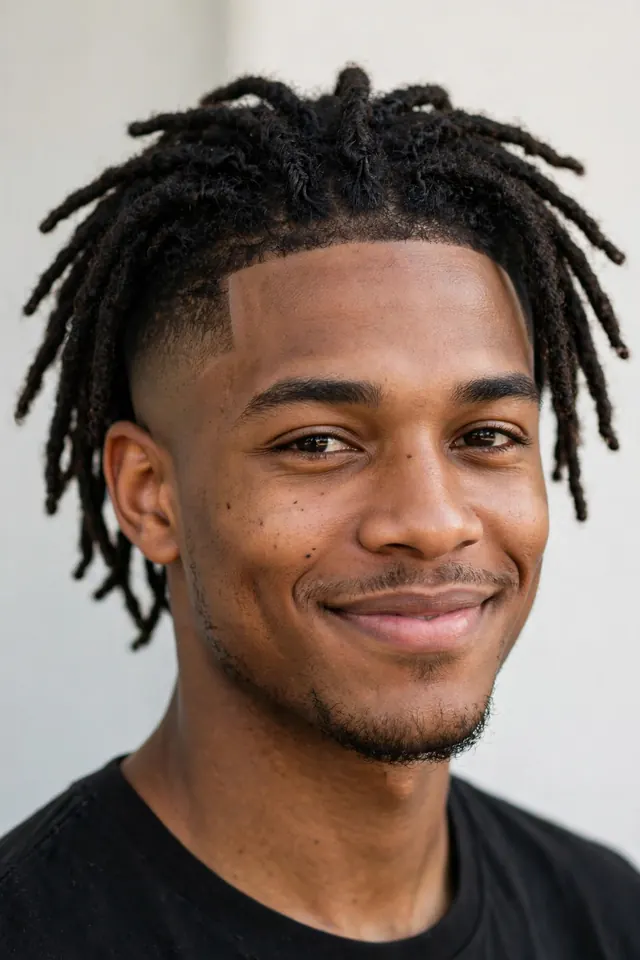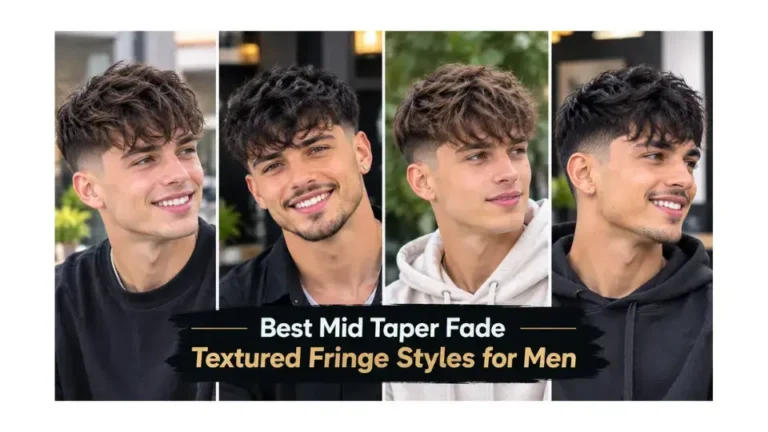
Mid Taper Fade for Thick Hair: 8 Styles, Barber Guide & Photos (2026)
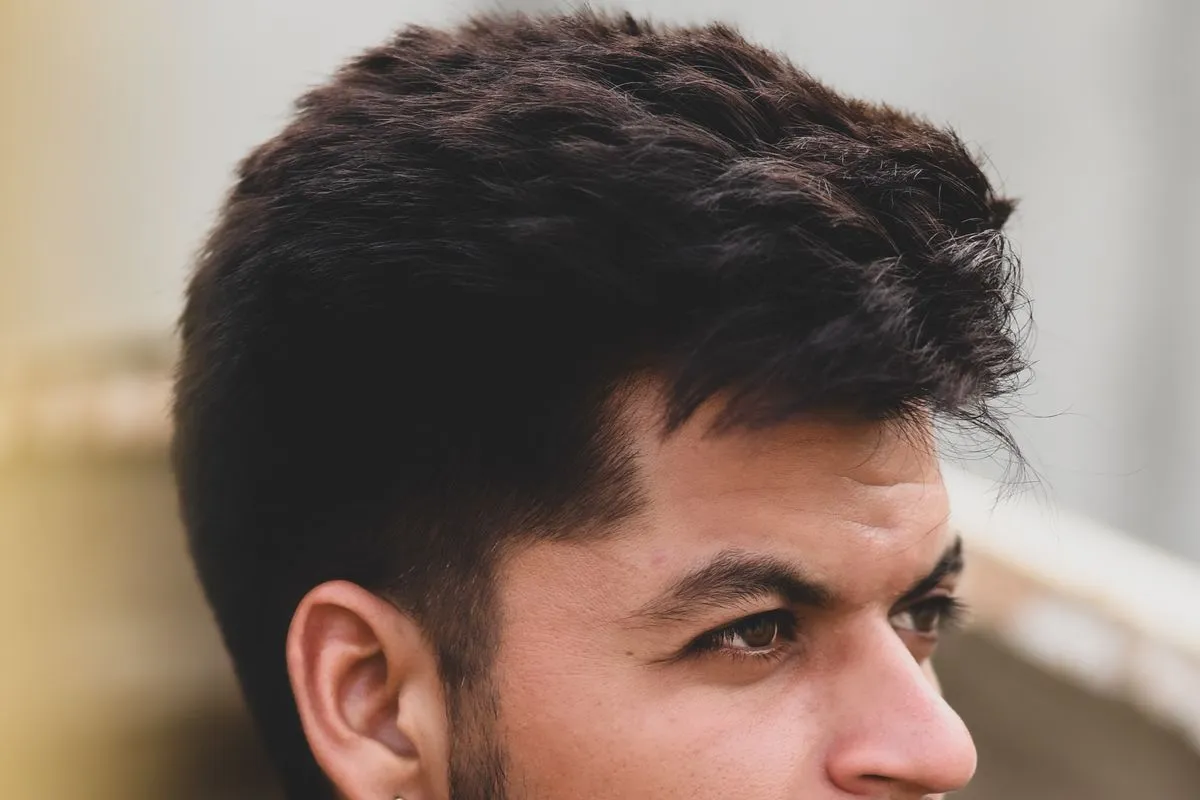
A mid taper fade for thick hair works because it removes bulk from the sides while keeping fullness on top. The taper starts at temple height, so the sides stay clean without taking the top short. The barber thins the weight at the temples, the crown, and behind the ears, then blends from a #1 or #2 guard up to a #3. This guide shows eight styles, the guard numbers, and the exact barber script.
Contents
- What Is a Mid Taper Fade for Thick Hair?
- Why a Mid Taper Works on Thick Hair
- Pros and Cons of a Mid Taper for Thick Hair
- 8 Best Mid Taper Fade Styles for Thick Hair
- How to Choose the Right Style for Your Thick-Hair Pattern
- Best Mid Taper for Thick Hair by Face Shape
- How to Ask Your Barber for a Mid Taper on Thick Hair
- Common Mid Taper Mistakes to Avoid on Thick Hair
- How to Maintain a Mid Taper on Thick Hair
- Thick-Hair Mid Taper vs Other Options
- Frequently Asked Questions
- Conclusion
What Is a Mid Taper Fade for Thick Hair?
This cut is a mid-height taper that takes weight out of the sides, so thick hair stops puffing out at the edges.
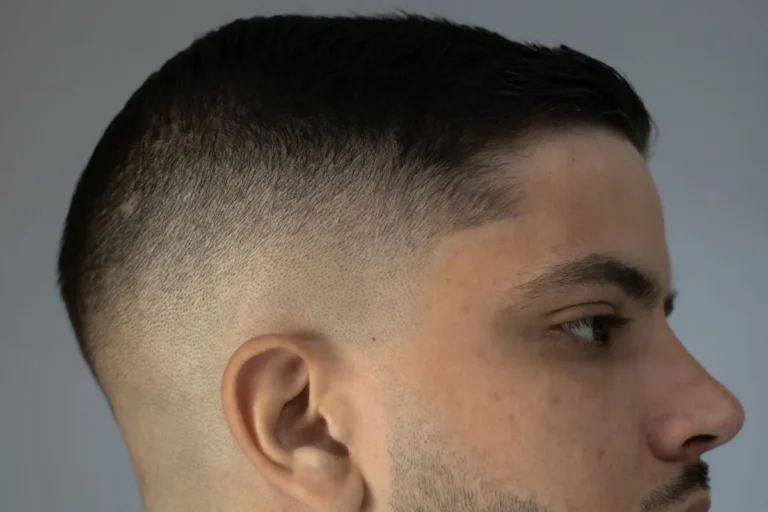
Three words in the name answer three different questions. Mid says where the blend starts: at the temple. Taper says how the edges finish: gradual, with hair left at the edges. Thick hair says what the cut must control: bulk. The barber keeps one and a half to two and a half inches on top. He thins the heavy zones, then blends the sides from a #1 or #2 guard up to a #3.
Thick hair needs its own definition before any style talk. Thick means high density: many hairs grow per patch of scalp. Coarse means each strand is wide and stiff. Wavy or curly thick hair adds texture on top of density. The three get mixed up in conversation, but they call for different handling. TaperTrends’ thin and thick hair guide makes the same split, and it is the first thing to settle with your barber.
High-density hair looks heavy rather than sparse, so it needs weight removed, not coverage added. Coarse hair resists bending, so it needs scissor work and a matte product to sit down. Curly thick hair holds its own height, so it needs the sides cleaned up while the curls keep their shape. This guide covers all three, and it says which style fits each one. Our mid taper fade for thin hair guide covers the opposite problem, when the top needs fullness instead of weight removal.
3 zones
Temples: ask for weight removal where the sides puff out first. Crown: thinning shears touch here, and only here, to drop the bulk. Behind the ears: the second shear zone, where thick hair sticks out sideways. Everywhere else stays full, so the top keeps its shape.
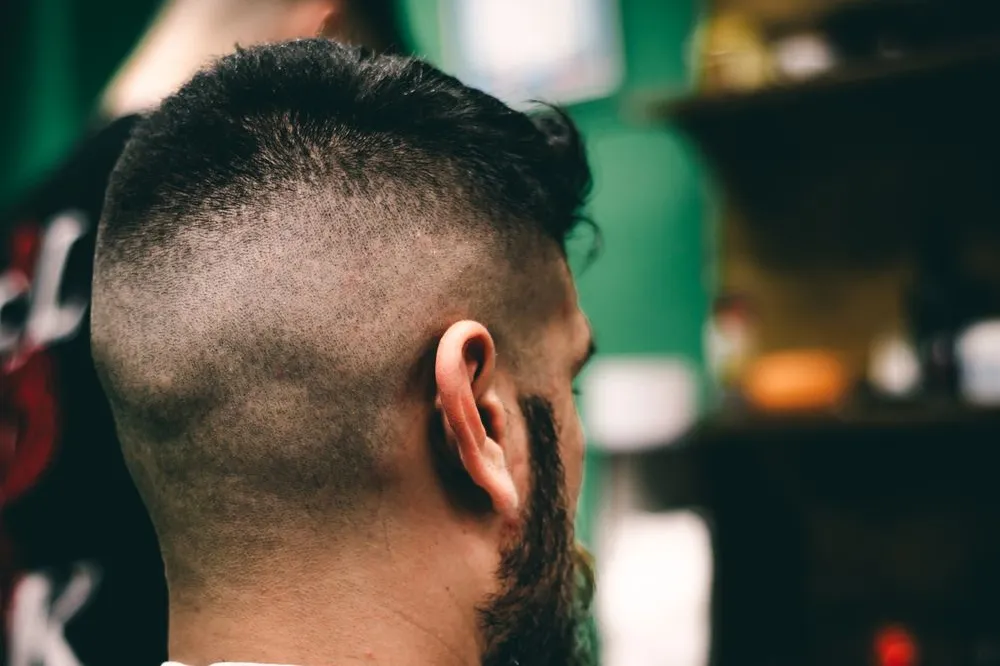
Source: MidTaperFade.com
Why a Mid Taper Works on Thick Hair: The Bulk Trick
A mid taper makes thick hair look controlled by taking the weight out of the sides, not the top.
The trick is subtraction in the right places. Thick hair puffs at the sides because the weight sits low, near the ears and temples. A mid taper starts the blend at temple height, so it removes that weight across the whole side. The top keeps its length, so the cut still has shape instead of looking buzzed down.
The height matters. A low taper starts too low to catch the puff, so the sides still balloon above the blend. A high taper takes the blend so far up that the top looks small next to the clipped sides. The mid height sits between the two: enough side removed to kill the puff, enough top kept for the style to read.
There is one way this cut fails on thick hair. If the barber clips the lower sides close but leaves the upper sides heavy, a visible shelf forms where the two meet. The fix is blending, not a shorter guard: the barber must work the clippers up through the weight in small steps, then finish with scissors. Ask to see the blend from the back before you leave the chair.
Pros and Cons of a Mid Taper for Thick Hair
The mid taper controls thick hair better than any other fade height, but it needs a barber who knows how to thin.
| Pros | Cons |
|---|---|
| Removes side bulk without shortening the top | Needs real thinning skill; bad thinning leaves wispy ends |
| Keeps the fullness that makes thick hair look good | Grows out visibly by week three on fast-growing hair |
| Works with straight, wavy, curly, and coarse hair | Needs matte product most days, or the top puffs up |
| Grows out softer than a skin fade | Heavy tops can still puff in humidity |
| Office-safe at every length | Costs a full cut every 3 to 4 weeks to stay crisp |
The balance favors the mid taper for most thick hair. The cons are all maintenance problems, not cut problems: they show up between visits, not in the chair. A barber who thins in the right zones and a matte clay at home handle four of the five.
8 Best Mid Taper Fade Styles for Thick Hair
Eight styles cover almost every thick-hair request, and the difference is mostly how much weight comes off the top.
Pick by texture first, then by length. Straight thick hair needs texture cut in, or it stands up in one block. Wavy and curly thick hair need the sides cleaned while the texture does the work on top. Save a photo of your pick; showing it beats describing it.
Textured Crop
A choppy crop is the best first pick for thick hair, because texture breaks the weight into pieces.
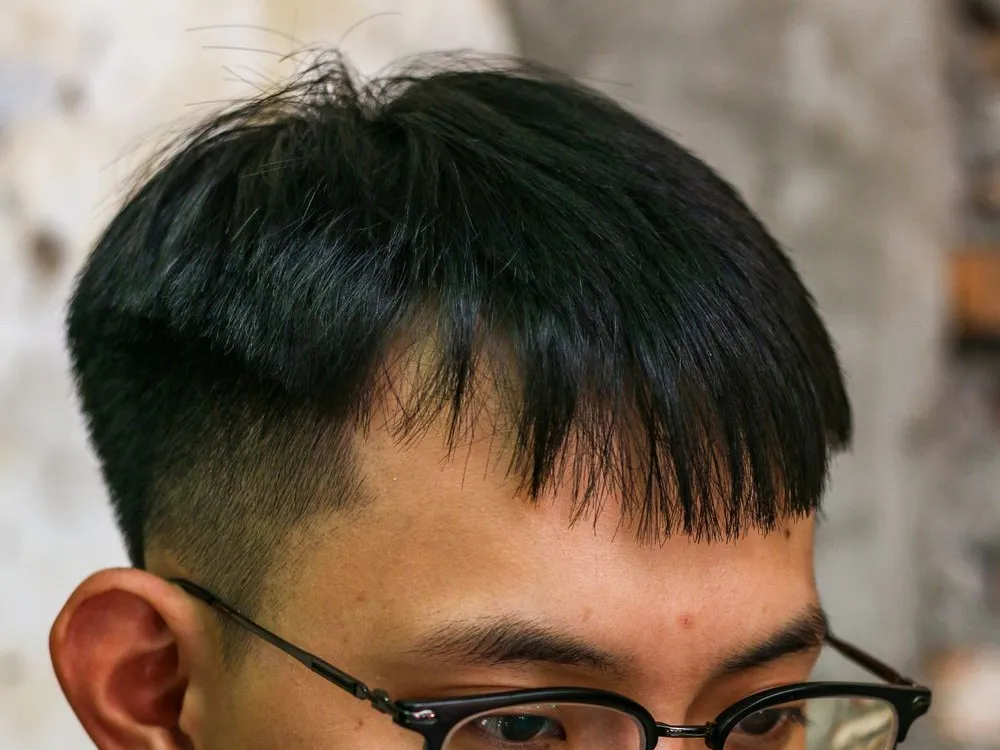
The default thick-hair style. The top stays at one and a half to two inches, point-cut so the ends break into pieces instead of sitting as one heavy block. The mid taper takes the bulk off the sides, and the pieces on top read as texture instead of weight.
Best for: first-timers with thick straight or wavy hair.
Modern Pompadour
A soft pompadour turns thick hair’s volume into height, instead of letting it puff sideways.
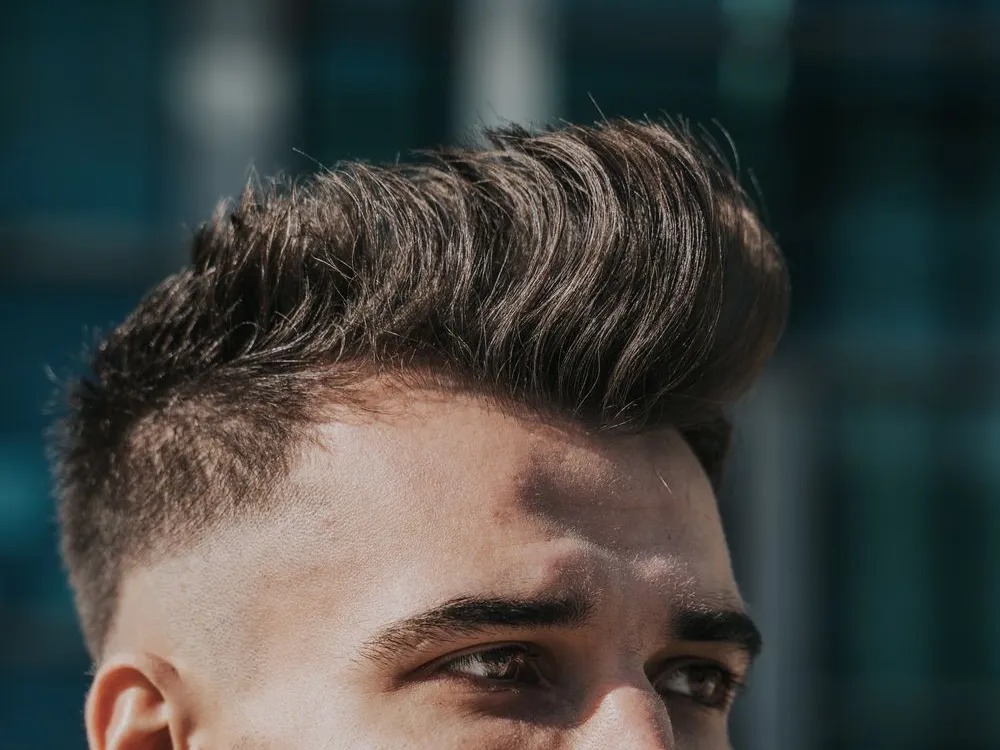
The volume style, done soft. The front runs three to four inches long and sweeps back, while the sides carry a low or mid taper instead of a hard skin fade. The taper keeps the sides from ballooning, so the height on top looks deliberate.
Works well for: thick straight hair and formal settings.
Textured Quiff
A quiff lifts the front up and back, and point cutting keeps it from turning into a stiff wall.

A quiff with the weight taken out. The front lifts up and back, but the barber point-cuts through it, so it holds its shape without a stiff wall of hair. The mid taper frames it cleanly at the temples.
Best for: oval and square faces with medium-thick hair.
Pro Tip: blow-dry the quiff forward first, then push it up; the lift lasts longer than styling it up from wet.
Side Part
A side part is the lowest-effort thick-hair style, because thick hair holds the part all day.
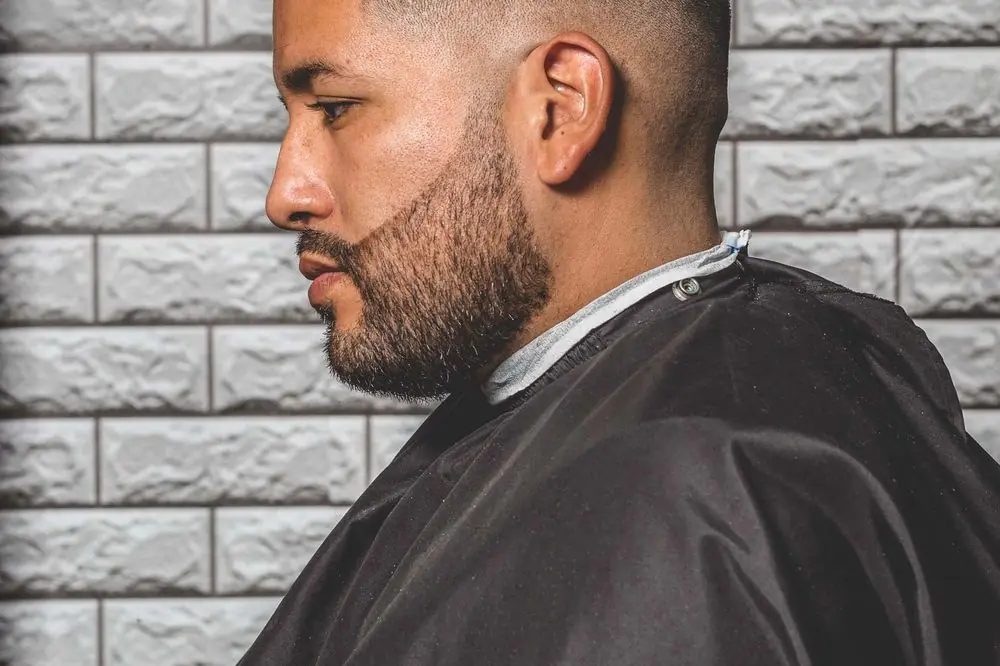
The tidy classic. The top parts to one side at two to three inches, and the taper keeps the part line clean. Thick hair holds a side part all day with very little product, which is why this is the lowest-effort style on the list.
Pairs with: a clean lineup and a short, neat beard.
Slick Back
A slick back combs thick hair straight back, and matte clay keeps it polished without shine.

The polished option. The top combs straight back at three inches or more, and the mid taper keeps the sides tight enough that the length on top looks intentional. Matte clay beats pomade here: shine plus thick hair reads greasy by midday.
Best for: professional men with straight thick hair.
Curly Top
A curly top lets the curls do the styling, while the taper keeps the sides narrow.
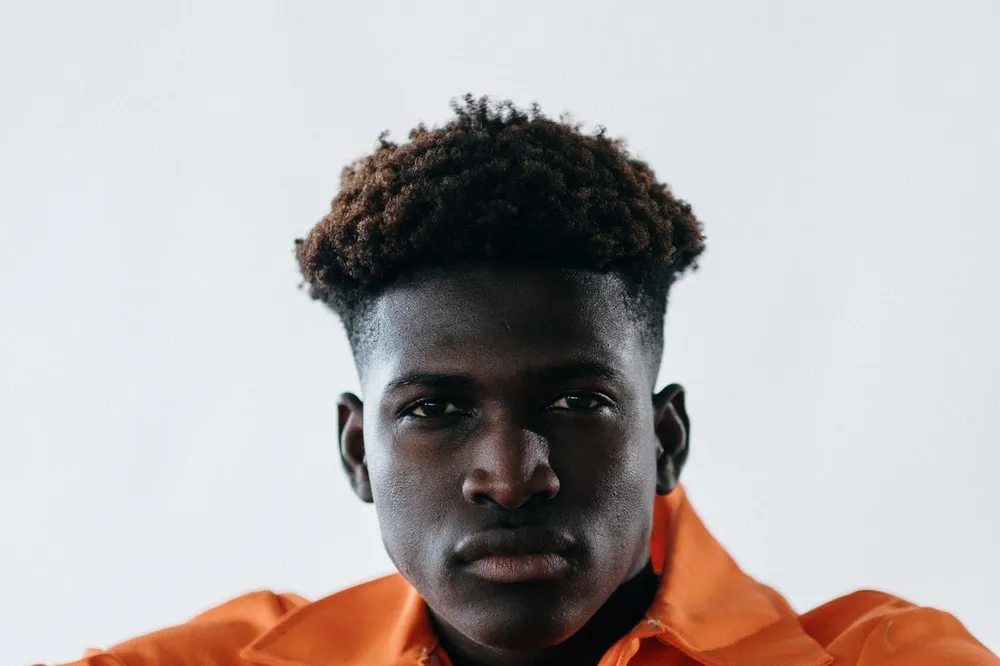
The curls do the styling. The top stays long enough for the curl pattern to show, usually two to three inches. The taper removes the bulk at the sides that makes curly hair look wide. Curl cream defines the curls without crunch, and the taper keeps the shape narrow.
Ask your barber for: a curl-by-curl trim on top, clippers only on the sides.
Pro Tip: cut curly thick hair dry when you can; wet curls shrink as they dry, and a wet cut comes out shorter than planned.
Buzz Cut
A buzz cut with a mid taper removes the bulk in one pass, with nothing left to puff up.

The lowest-maintenance thick-hair cut. A short buzz on top with a mid taper at the sides removes the bulk in one pass, and there is nothing left to puff up. It suits men who want the clean look without daily styling.
Works well for: very coarse hair and hot weather.
Wavy Textured Fringe
A wavy fringe falls forward in broken pieces, so it never sits as one heavy curtain.
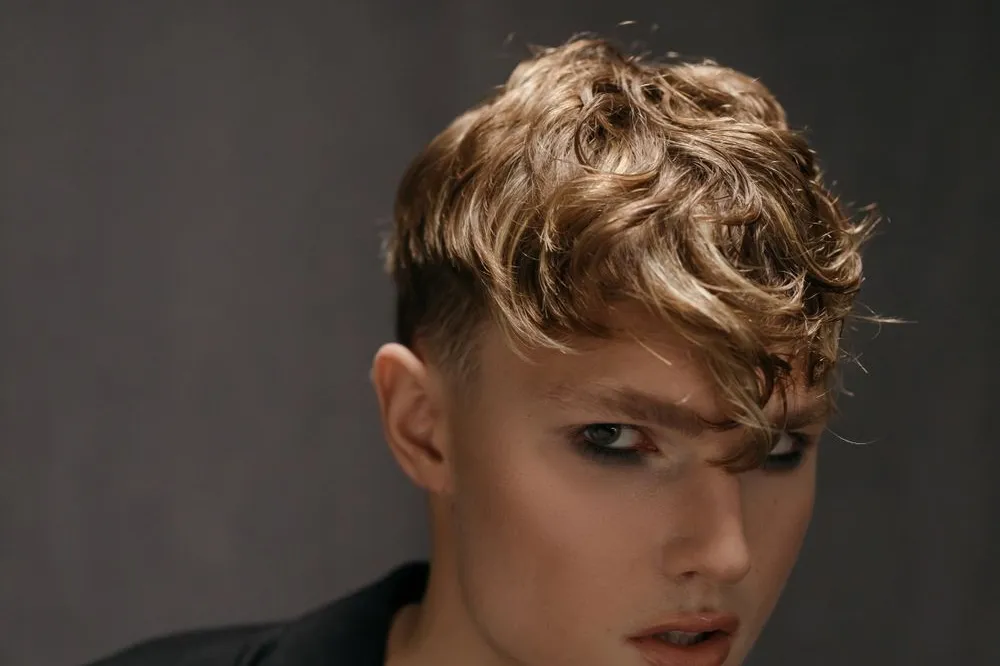
The fringe falls forward over the forehead, broken up by point cutting so it never sits as one heavy curtain. The waves give it movement, and the mid taper keeps the sides from competing with the fringe. It is the best pick when the hairline needs softening without a full cover-up.
Best for: wavy thick hair and men growing the front out.
How to Choose the Right Style for Your Thick-Hair Pattern
Match the style to your pattern, not to a photo: the same taper behaves differently on straight, wavy, curly, and coarse hair.
Straight-Thick Hair
Straight thick hair needs texture cut in, or it stands up as one block.
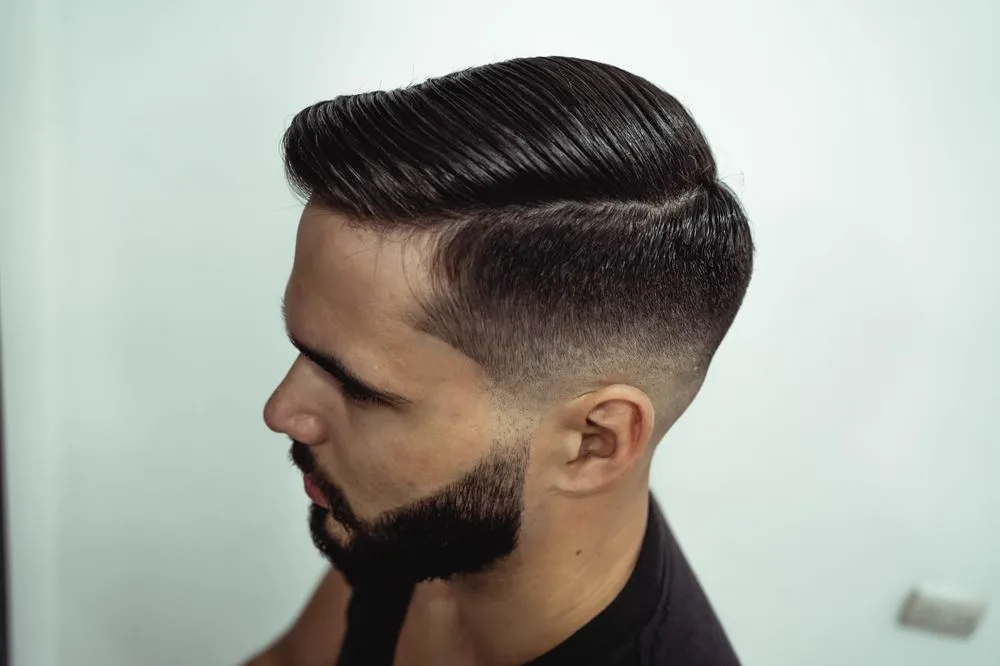
Straight thick hair is the hardest pattern to keep flat, because it has no natural bend to break the weight. At short lengths it can stand outward instead of lying down. Pick the textured crop or the textured quiff, and ask the barber to point-cut the top. Keep at least an inch and a half on top: shorter than that, and there is nothing to texture.
Wavy-Thick Hair
Wavy thick hair is the easiest pattern: the wave does the styling, and the taper does the cleanup.
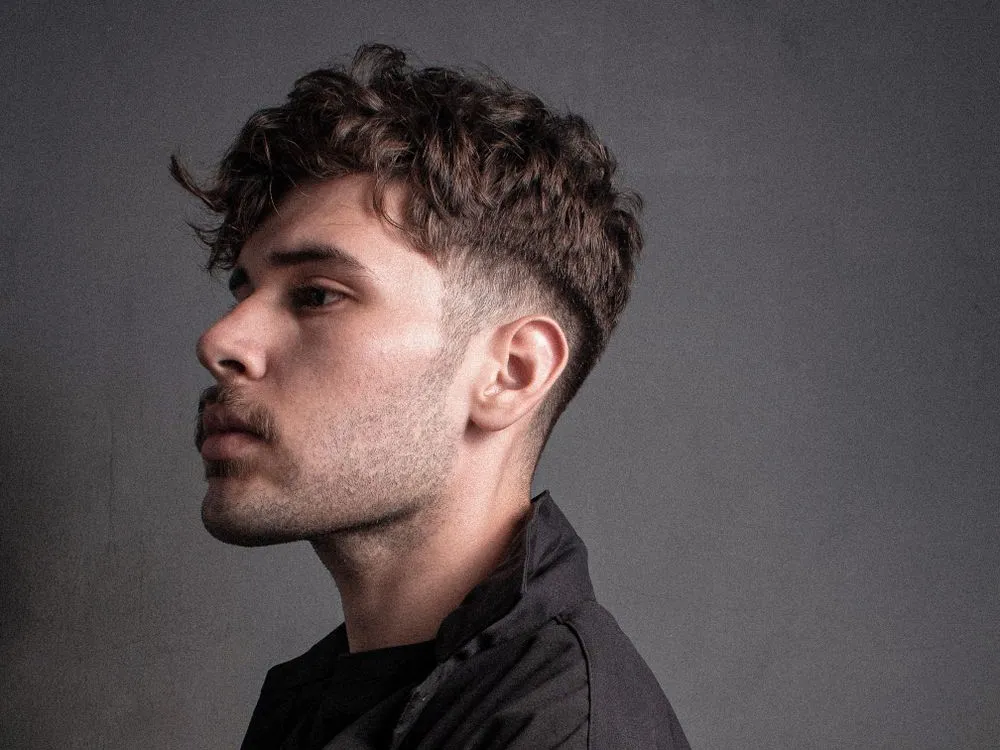
Waves break the weight on their own, so the barber thins less and the cut holds longer. The wavy textured fringe and the side part suit this pattern best. Keep two to three inches on top so the waves have room to form, and use a light matte clay to keep the wave defined without stiffness.
Curly-Thick Hair
Curly thick hair keeps its height, so the taper only has to clean the sides.
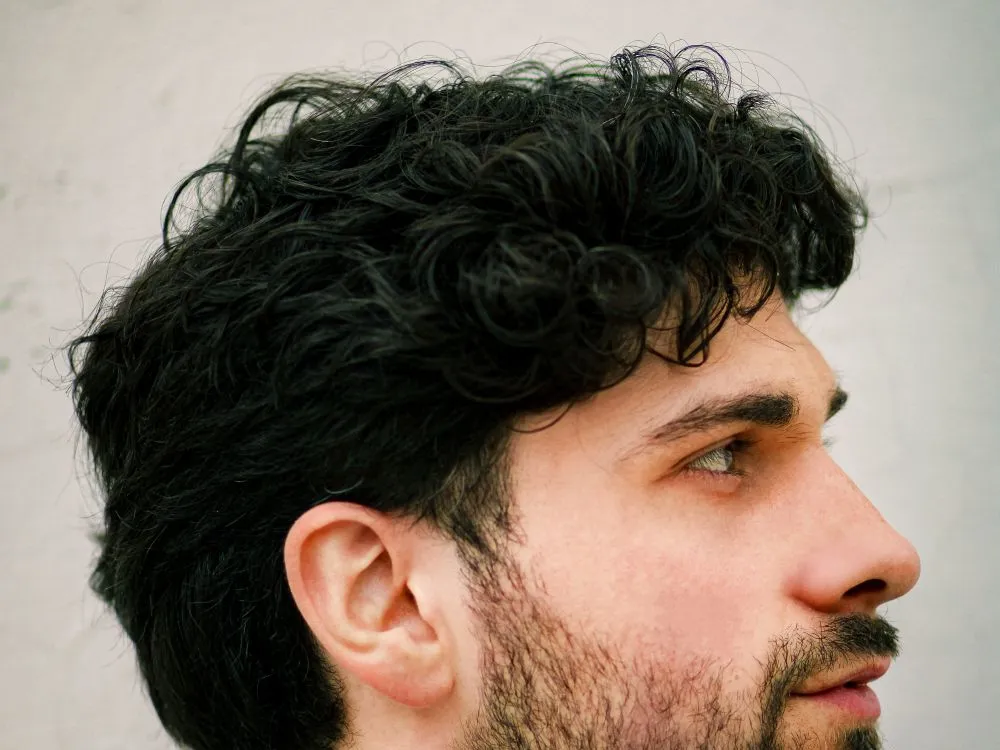
Curls shrink as they dry, so a wet cut always comes out shorter than it looks in the chair. Ask for a dry trim or for the barber to leave extra length, and keep the clippers off the top entirely. Our mid taper fade curly hair guide shows the full curl range, from loose waves to tight coils.
Coarse Hair
Coarse hair is stiff strand by strand, so it needs scissor work that fine hair never needs.
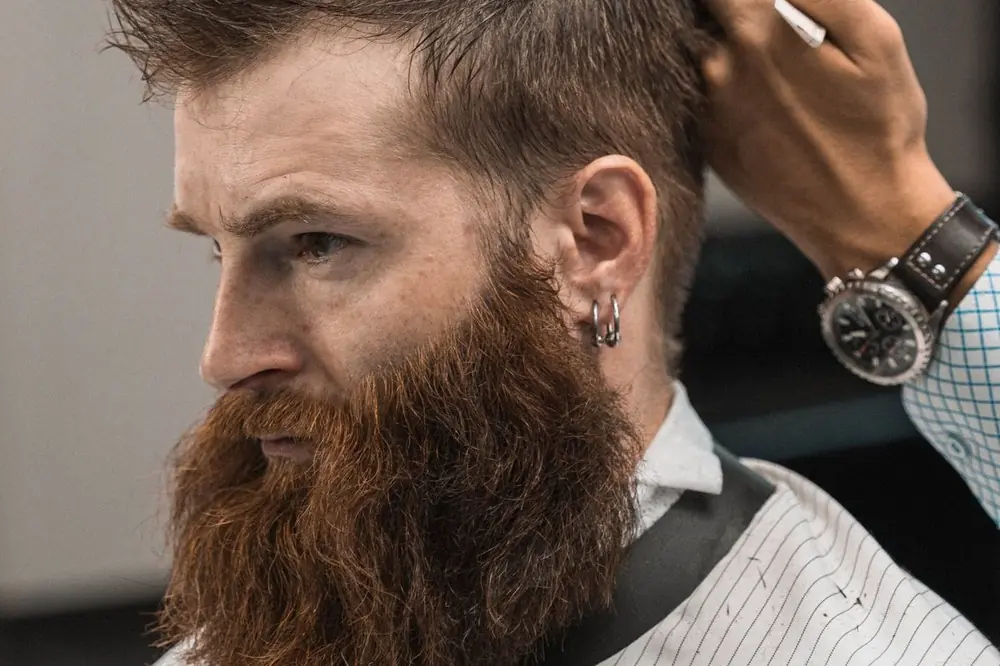
Coarse strands resist bending, which makes clipper lines show and blends look stepped. The barber should finish the blend with scissors and thinning shears, not clippers alone. Pick the buzz cut or the textured crop, and use a matte clay with a strong hold: light products will not move coarse hair at all.
Best Mid Taper for Thick Hair by Face Shape
Thick hair adds width at the sides, so the face-shape rule is simple: add height where the face is wide, and keep the sides tight where it is not.
Oval Face
Oval faces take every style on this list, so pick by texture instead.

An oval face has no width to correct, which makes it the easiest shape for thick hair. The textured crop is the safest first pick, and the modern pompadour is the best pick when you want height. Keep the taper at mid height: going higher adds nothing here.
Round Face
Round faces need height on top and tight sides, so the quiff and pompadour lead.

Thick hair makes a round face look wider, because the sides puff out at cheek height. The mid taper fixes the sides, and a quiff or pompadour adds the height that lengthens the face. Skip the buzz cut: it keeps the round shape with nothing to stretch it.
Square Face
Square faces suit texture that softens the jaw, not sharp lines that repeat it.
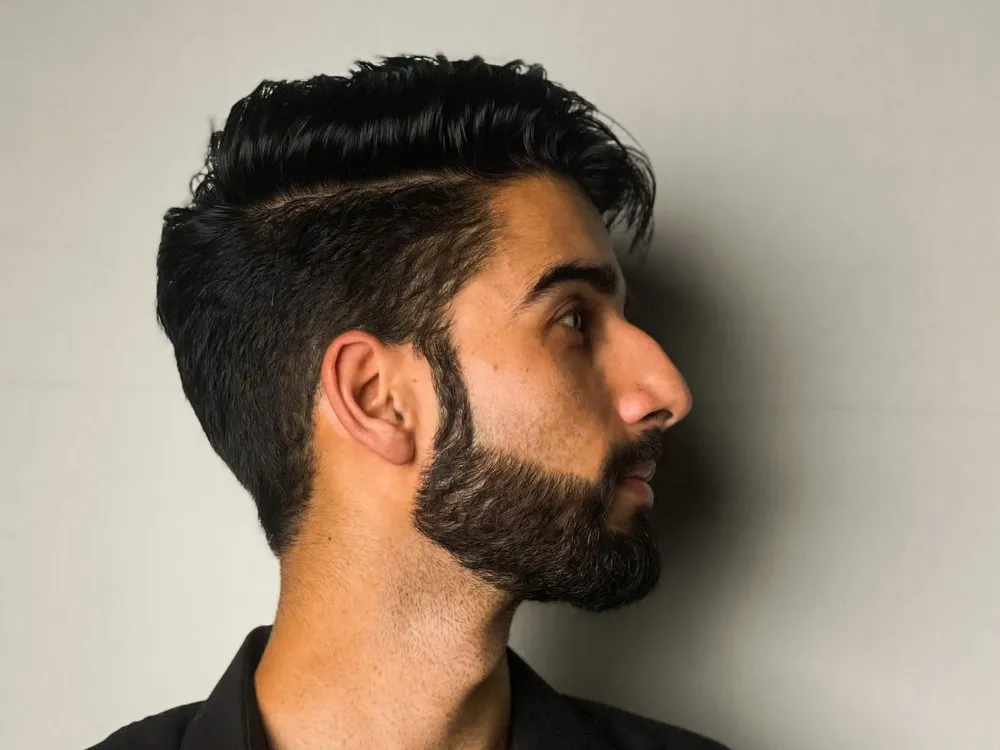
A square jaw is already strong, so a hard lineup plus a skin-tight taper can look severe. The textured crop or the wavy fringe softens the outline while the taper keeps it tidy. Keep the fringe broken up, never blunt across the forehead.
Heart Face
Heart faces need width at the jaw, so keep some length at the sides.

A heart face is wide at the forehead and narrow at the chin, and a tight taper can make the chin look smaller. Ask for a softer blend with a #2 bottom instead of a #1, and keep the top at two inches or more. The side part balances this shape best.
Long Face
Long faces need the top kept short, so the fringe styles lead.

Height on top stretches a long face further, so skip the pompadour and the high quiff. The textured crop or the wavy fringe keeps the top at one and a half to two inches, and the fringe falling forward shortens the face visually. Keep the taper at mid height for balance.
How to Ask Your Barber for a Mid Taper on Thick Hair
Name the bottom guard, the thinning zones, and the top length before the clippers start.
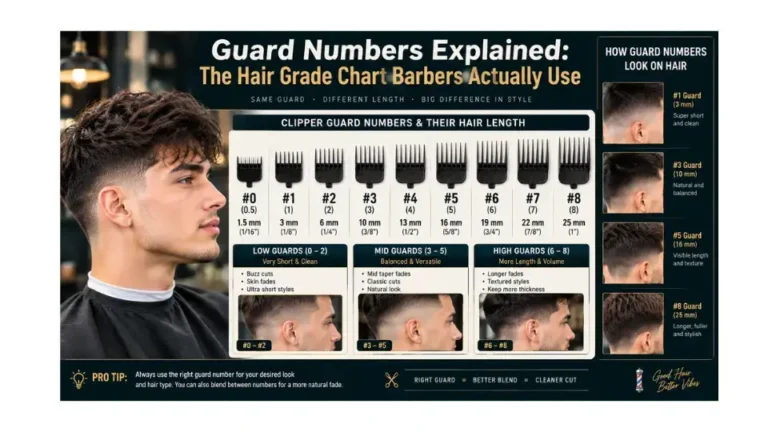
Thick hair cuts go wrong when the barber guesses. The three numbers below remove the guessing: bottom guard, blend guards, and top length. Say them in the chair, then show a photo of the style you picked. The numbers below match Book of Barbering’s 2026 thick-hair guide, which puts the fade bottom at a #1 or #2 guard, never skin. Our taper fade guard numbers guide explains every guard size if you want the full chart.
| Zone | Guard / Length | Why it matters for thick hair |
|---|---|---|
| Bottom edge | #1 (3 mm) or #2 (6 mm) | Ends the fade above skin, so dense hair above never reads as stubble |
| Lowest blend | #1.5 (4.5 mm) | Bridges the bottom to the mid blend without a visible line |
| Mid blend | #2 (6 mm) at temple height | Where the bulk starts coming off the sides |
| Upper blend | #3 (10 mm) where the fade meets the top | Joins the sides to the top without a shelf |
| Top length | 1.5–2.5 inches, point-cut | Long enough to texture, short enough to control |
| Thinning zones | Shears at crown and behind ears only | Drops bulk where it puffs, keeps the top full |
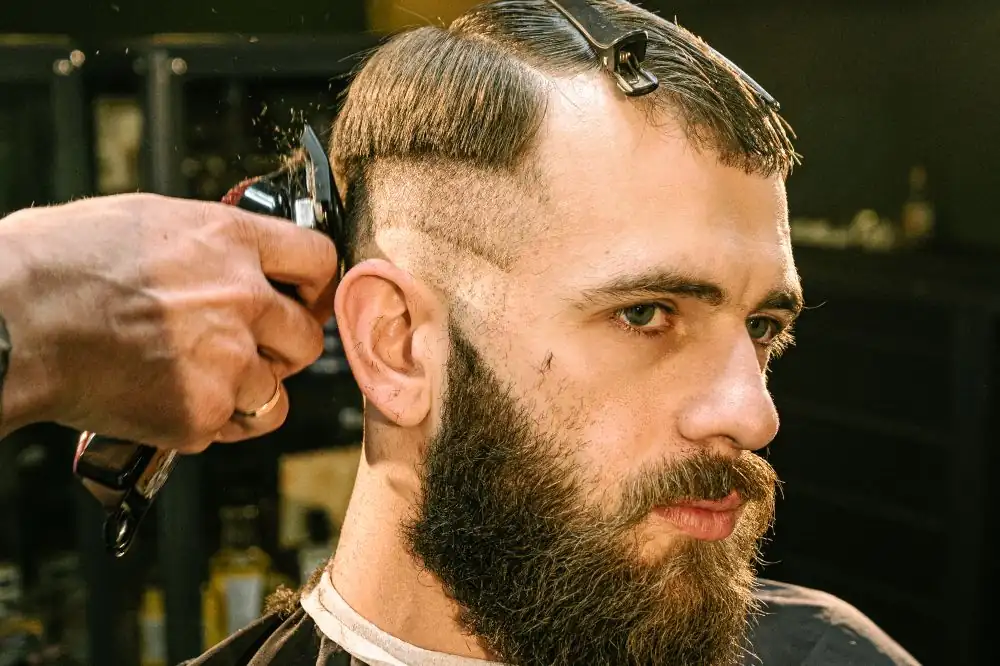
“Mid taper fade, please. Start with a #2 at the bottom, blend up to a #3 at the temple, and keep two inches on top. Take the weight out at the crown and behind my ears with thinning shears, and point-cut the top so it does not sit as one block. No skin at the bottom on this visit.”
What NOT to ask for: “Skin fade all the way up.” The contrast fights thick hair on the first visit. “Thin it out everywhere.” Whole-head thinning leaves wispy ends. “Take the top really short to fix the bulk.” A short top loses the shape that makes the cut work. If the barber suggests a skin finish, ask for the #1 bottom first: you can always go shorter next time, and growing a skin fade out takes weeks.
Common Mid Taper Mistakes to Avoid on Thick Hair
Five mistakes cause almost every bad thick-hair taper, and all five are decided before the cut starts.
Asking for a skin fade on the first visit. A skin bottom puts bare skin next to dense hair, and the contrast reads as stubble against a wall of hair. Start at a #1 or #2, and only go to skin once you know how your hair grows out.
Thinning the whole head. Thinning shears remove weight, but used everywhere they turn thick hair into thin, wispy ends. The shears belong at the crown and behind the ears only, never across the full top. Book of Barbering’s 2026 thick-hair guide states the same rule.
Leaving the upper sides heavy. When the lower sides are clipped close and the upper sides stay heavy, a shelf forms where the two meet. The barber must blend upward in small steps and finish with scissors, or the cut looks stepped from the back.
Cutting the top too short to fix the bulk. A short top does not fix bulk; it removes the length that gives the cut its shape. Keep one and a half to two and a half inches, and let the thinning do the work instead.
Skipping product. Thick hair without product puffs by midday, even after a good cut. A pea-sized amount of matte clay, worked through damp hair, holds the shape until the evening. Shiny pomade makes thick hair look greasy, so matte is the safer finish.
Waiting too long between cuts. Thick hair shows growth sooner than fine hair, because the bulk returns at the sides first. Book the next cut at three weeks, not six, or the taper disappears under new growth.
How to Maintain a Mid Taper on Thick Hair
Thick hair needs less washing and more conditioning than fine hair, and a two-minute morning routine.
Wash two to three times a week, not daily: thick hair dries out when shampoo strips its natural oils every day. Use conditioner on every wash, and work it through the mid-lengths where thick hair tangles. On non-wash days, rinse with water only and restyle with a little clay. Keep the hair damp when you style it: product spreads evenly on damp hair and clumps on dry hair.
The morning routine takes two minutes. Towel-dry until damp, warm a pea-sized amount of matte clay between your palms, and push it through the top from front to back. Use a vent brush while blow-drying on low heat when the top needs lift; the vents let air through, so thick hair dries with shape instead of puff. Finish with a cold shot from the dryer to set the style.
3–4 weeks
Between cuts for most thick hair. Fast growers with dark, dense hair see the fade fill in sooner, sometimes within ten days, and should book every 2 to 3 weeks. A quick neckline cleanup between visits stretches the cut further.
Source: MidTaperFade.com
Between visits, keep the neckline tidy with a detail trimmer and leave the blend alone. Home touch-ups on the blend are where thick hair cuts go wrong: one wrong pass with clippers opens a line that only a barber can fix. Book the cleanup, keep the clippers for the edges.
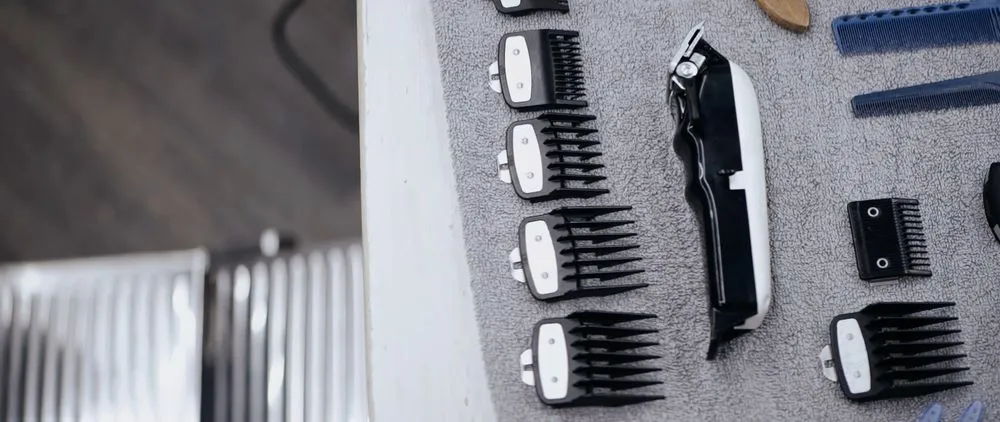
For guard work and keeping the neckline tidy between barber visits. Use it only for light edge cleanup, not full re-cuts.

For sharp necklines and edge cleanup around the ears. It handles the small areas a full clipper cannot.

For styling a textured top on thick hair. A lightweight matte clay holds texture without shine, which suits thick hair that already has natural volume.
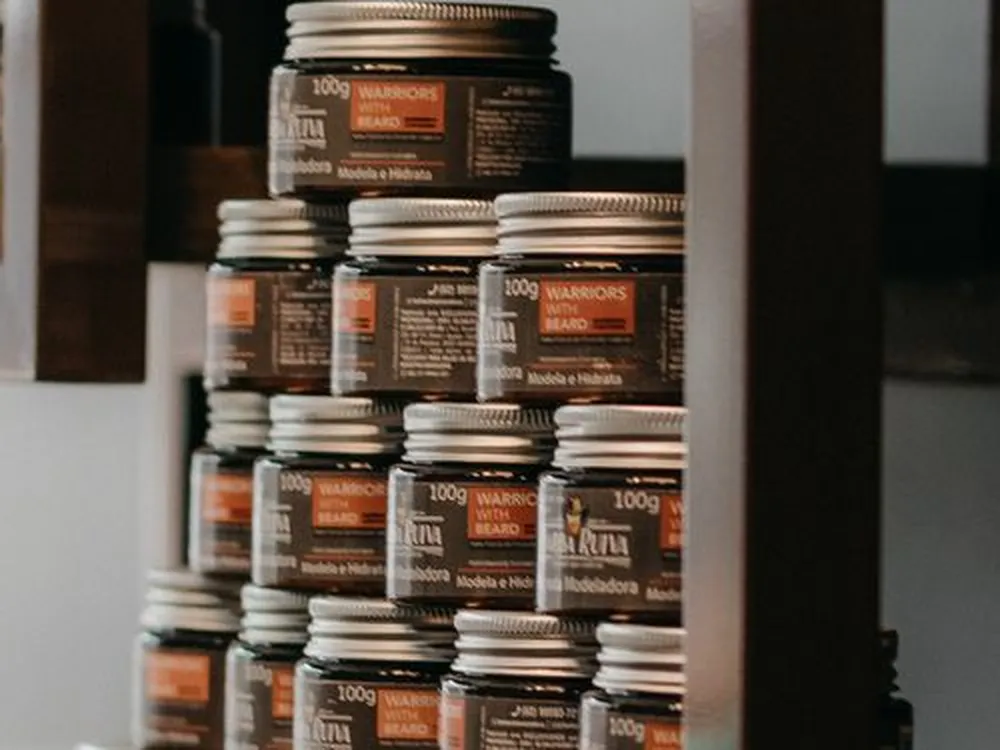
For the curly top style. It defines curls without crunch, so the curls keep their shape while the taper keeps the sides clean.
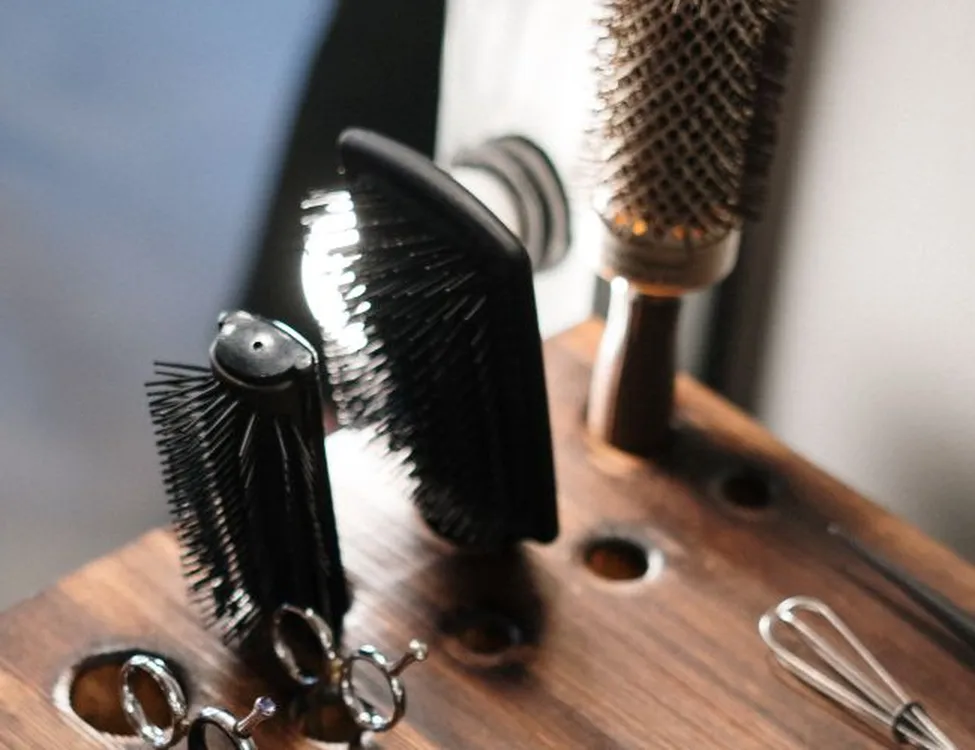
For lifting thick hair at the roots while blow-drying. The vented design lets air through, so the top dries with shape instead of puffing up.
Disclosure: As an Amazon Associate, MidTaperFade.com earns from qualifying purchases made through links on this page, at no extra cost to you.
Thick-Hair Mid Taper vs Other Options: The Bulk Test
The mid taper wins the bulk test because it removes weight at temple height without taking the top short.
Four finishes compete for thick hair, and the test is simple: which one removes the side bulk, keeps the top full, and grows out without a shelf? If you like volume on top, our mid taper fade blowout guide shows the same cut with a blown-out finish.
| Mid Taper | Low Taper | Skin Fade | High Taper | |
|---|---|---|---|---|
| Side bulk removed | Strong, from temple height | Light, only near the ears | Maximum, down to skin | Strong, but takes the top with it |
| Top fullness kept | Yes, full length kept | Yes, most length kept | Yes, but contrast is extreme | Less, the top looks smaller |
| Grow-out | Soft, 3 to 4 weeks | Softest, 4 weeks or more | Harsh, 2 to 3 weeks | Visible fast, 2 to 3 weeks |
| Upkeep | Cut every 3 to 4 weeks | Cut every 4 weeks | Cleanup every 2 weeks | Cleanup every 2 weeks |
| Best for | Most thick hair | Office-quiet thick hair | Very thick, coarse hair | Bold looks, not daily wear |
| Office-safe | Yes | Yes | Usually, but sharp | Yes, but loud |
The low taper is the pick when the sides barely puff and you want the softest blend. The skin fade is the pick when the hair is very thick and coarse and you want maximum contrast. The high taper is the pick when you want a bold look and accept the faster grow-out. For most thick hair, the mid taper is the middle ground that needs the least compromise.
Frequently Asked Questions
Is a mid taper fade good for thick hair?
Yes. A mid taper fade is one of the best cuts for thick hair because it removes bulk from the sides while keeping fullness on top. The blend starts at temple height, so the sides stay clean without taking the top short. Ask the barber to thin the crown and behind the ears.
Which fade is best for thick hair, low or mid?
The mid taper is the better pick for most thick hair. It starts at temple height, so it removes more side bulk than a low taper while keeping the top full. Take the low taper only when you want the softest, most office-quiet blend. Take the mid taper when the sides puff out and need real weight removed.
Should thick hair get a skin fade?
No, not on the first visit. A skin fade puts bare skin next to dense hair, and the contrast reads as stubble against a wall of hair. Fades on thick hair should end at a #1 or #2 guard, not skin. Try the guarded bottom first; going shorter later is easy.
How do you thin out thick hair for a taper fade?
With point cutting and thinning shears in the right zones. Point cutting removes weight without changing the shape of the top. Thinning shears should only touch the crown and behind the ears, never the whole head. Ask your barber for internal weight removal, and check the blend from the back before you leave.
What product is best for thick hair with a taper fade?
A lightweight matte clay. It creates definition without stiffness, and the matte finish keeps thick hair from looking shiny or greasy by midday. Warm a pea-sized amount between your palms and push it through damp hair. Use curl cream instead when the top is curly, and a vent brush when you blow-dry for lift.
How often should thick hair get a mid taper trimmed?
Every 3 to 4 weeks. A mid taper grows out gently, but thick hair shows growth sooner because the bulk returns at the sides first. Men with dark, dense hair see the fade fill in sooner, sometimes within ten days. Book every 2 to 3 weeks if your hair grows fast, and get a neckline cleanup between visits.
Does a mid taper fade work on thick wavy hair?
Yes. Thick wavy hair is one of the best matches for a mid taper, because the wave breaks the weight on its own while the taper cleans the sides. Keep two to three inches on top so the waves have room to form. Use a light matte clay to keep the wave defined without stiffness.
About the Author
Conclusion
A mid taper fade for thick hair is the bulk-first cut: one mid-height blend takes the weight off the sides while the top keeps its shape.
Take the textured crop if you want the easiest first cut. Take the pompadour or quiff if you want height. Take the curly top if your curls do the styling. Whichever you pick, name the #1 or #2 bottom guard and the thinning zones in the chair, and the cut will match the picture.
Read our mid taper fade guide for the full style breakdown, or compare the softer end of the scale in our low taper fade vs mid taper fade guide. If your hair is thin instead of thick, our mid taper fade for thin hair guide covers the opposite fix.
By Sonia Kanwal