How Much Does an Edgar Haircut Cost? US Prices & What Affects Them (2026)
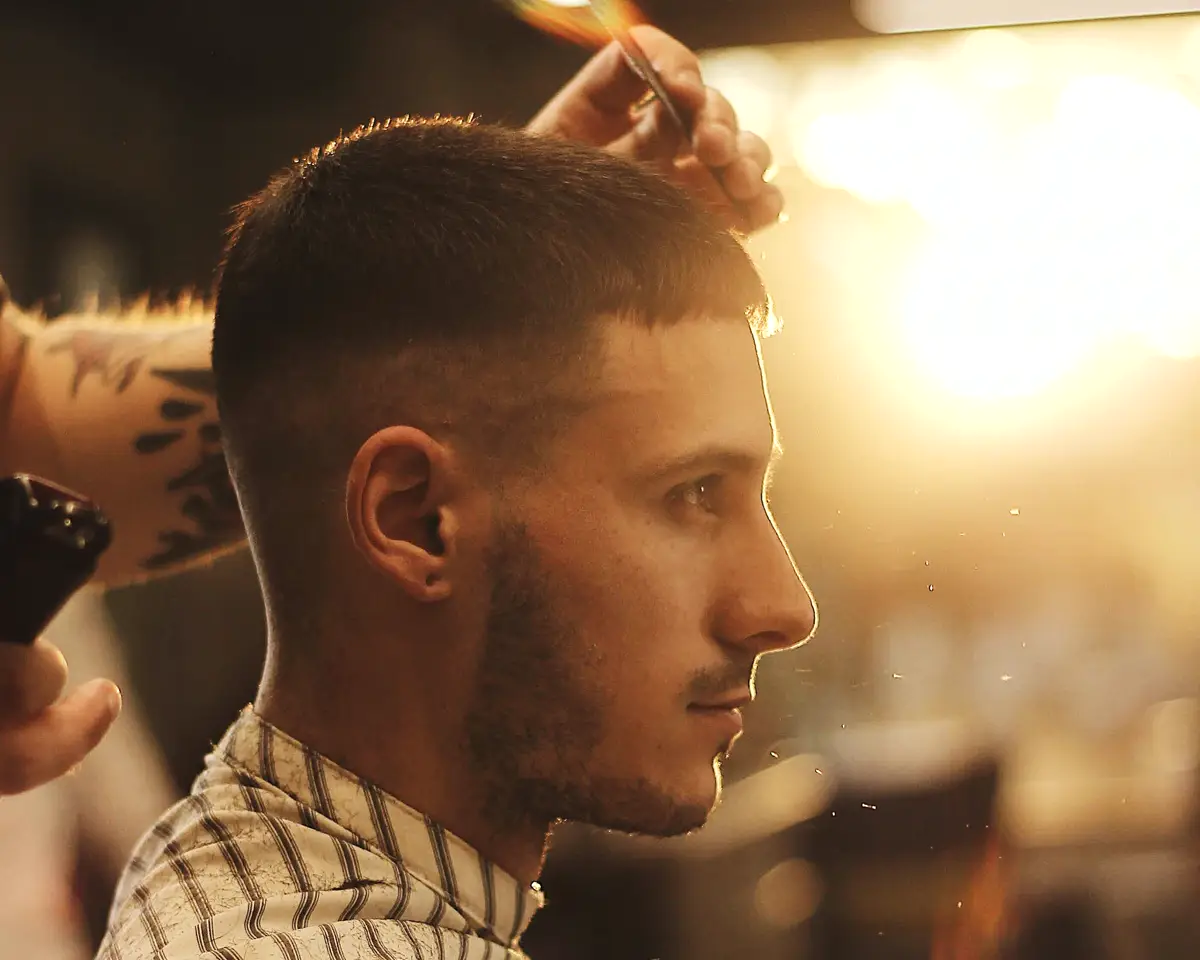
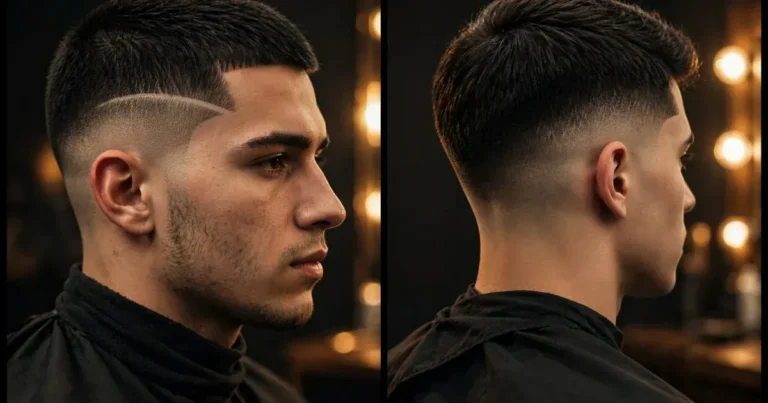
An Edgar haircut costs $25 to $45 at most independent US barbershops in 2026. Budget chains charge closer to $20 to $30. Premium city shops charge $45 to $65 or more. The spread comes from shop type, city, and extras. This guide breaks down the edgar haircut cost by shop and city, shows the upkeep math, and explains when a higher price is actually worth paying. If you have not chosen your exact cut yet, start by browsing mid taper fade Edgar styles so the prices below match the version you actually want.
- Edgar Haircut Cost: The Quick Answer
- Price by Barber Type: Chains, Local Shops, and Premium Barbers
- Price by City: Big-City Rates vs Small-Town Rates
- What the Price Includes: More Than the Cut Itself
- Extra Charges: Lineups, Designs, and Beard Work
- Tipping Your Barber: How Much Is Normal
- Upkeep Cost: What an Edgar Really Costs Per Year
- Five Ways to Save Money Without Ruining the Cut
- When Paying More Is Worth It
- Frequently Asked Questions
- About the Author
- Conclusion
Edgar Haircut Cost: The Quick Answer
Most men pay $25 to $45 for an Edgar cut at an independent barbershop, with the tip on top of that.
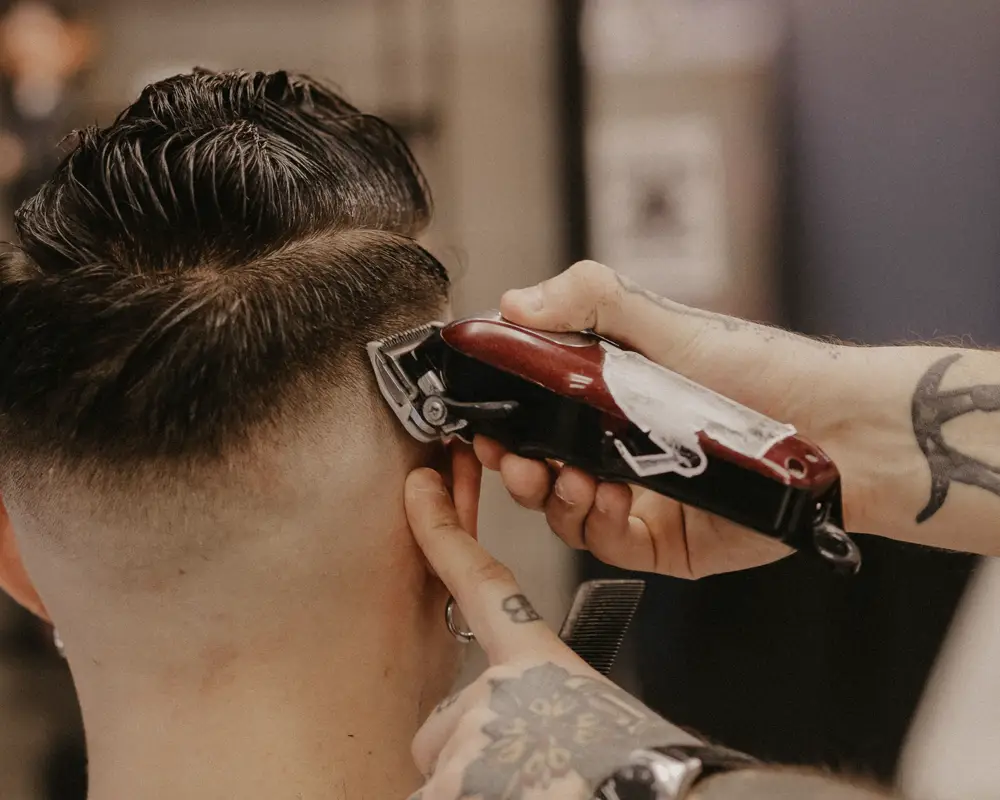
That range covers the full cut: the taper on the sides, the straight fringe, and a basic finish. It does not cover extras like a design or beard work. Those add to the bill, and the extras section below prices each one.
This article covers price only. If you want the styles themselves first, our Edgar styles guide shows the main versions with photos. Pick a version there, then use the prices here to plan the visit.
$25–$45
The typical price of an Edgar cut at an independent US barbershop in 2026. Chains run lower, premium city shops run higher, and the tip sits on top.
Source: MidTaperFade.com
Price by Barber Type: Chains, Local Shops, and Premium Barbers
The same Edgar cut can cost $20 at a chain and $65 at a premium shop, and both prices are normal.
| Where you go | Typical price | What that price buys |
|---|---|---|
| Budget chain | $20–$30 | A fast, standard cut from whoever is free. Fringe precision varies by stylist. |
| Independent barbershop | $25–$45 | A named barber, more time on the fringe line, and a consistent result. |
| Premium or downtown shop | $45–$65+ | Senior barbers, longer appointments, and extras often bundled in. |
| Barber school | $10–$20 | A supervised student cut. It takes longer, but an instructor checks the finish. |
Chains price for speed. Their stylists work to a time target, which is fine for a simple taper. The Edgar fringe is not simple, though. It needs a dry check and a steady hand, and rushed fringes show every mistake.
Independent shops sit in the middle for a reason. You book a specific barber, and that barber learns how your fringe grows. Premium prices buy seniority and time, not a different haircut. The worth-it section below explains when that trade makes sense.
Price by City: Big-City Rates vs Small-Town Rates
City rent is the hidden line item in every haircut price, so the same cut costs more where the shop costs more.
| City tier | Example cities | Typical Edgar price |
|---|---|---|
| Major metros | New York, Los Angeles, Miami | $40–$65 |
| Large cities | Chicago, Houston, Phoenix, Atlanta | $30–$50 |
| Mid-size cities | Columbus, Charlotte, San Antonio | $25–$40 |
| Small towns and rural areas | — | $20–$35 |
These are typical ranges, not quotes. A famous shop in a mid-size city can charge metro prices. A quiet shop in New York can charge less than the range shown. Use the tiers to sanity-check a price, not to predict it exactly.
Suburbs usually sit one tier below their city. A cut that costs $55 downtown often costs $40 twenty minutes out. If you drive anyway, that gap pays for the gas.
What the Price Includes: More Than the Cut Itself
A standard Edgar price covers the consultation, the full cut, and a basic finish, but the details vary by shop.
- Consultation: a short talk about fringe length, taper height, and your reference photo.
- The cut: the taper or fade on the sides, plus the straight fringe, cut and checked dry.
- Edges: a basic lineup around the forehead and temples, included at many independent shops.
- Finish: a rinse or brush-off, plus a small amount of product so you leave styled.
The taper under the fringe follows standard clipper guards. Our taper fade guard numbers guide shows what each guard length looks like. Knowing the numbers helps you confirm the cut before it starts.
Most shops finish the fringe with a matte product, so it sits flat and textured. Ask which product they used if you like the result. The same finish at home takes a pea-size amount of clay, worked through dry hair.
For holding the Edgar fringe flat and textured at home, the way the shop styled it. A pea-size amount on dry hair is enough for most fringes.
Disclosure: As an Amazon Associate, MidTaperFade.com earns from qualifying purchases made through links on this page, at no extra cost to you.
Extra Charges: Lineups, Designs, and Beard Work
Extras are where a $30 cut becomes a $55 bill, so it pays to know each add-on price before you sit down.
| Extra | Typical add-on | Notes |
|---|---|---|
| Lineup or edge-up (if not included) | $5–$15 | Also sold alone, to keep the fringe frame sharp between full cuts. |
| Hair design or part detail | $10–$25+ | Priced by complexity. Simple lines sit at the low end. |
| Beard connect or beard trim | $10–$20 | Blending the taper into the beard takes extra chair time. |
| Hot towel and razor finish | $5–$10 | A comfort extra. It does not change the cut itself. |
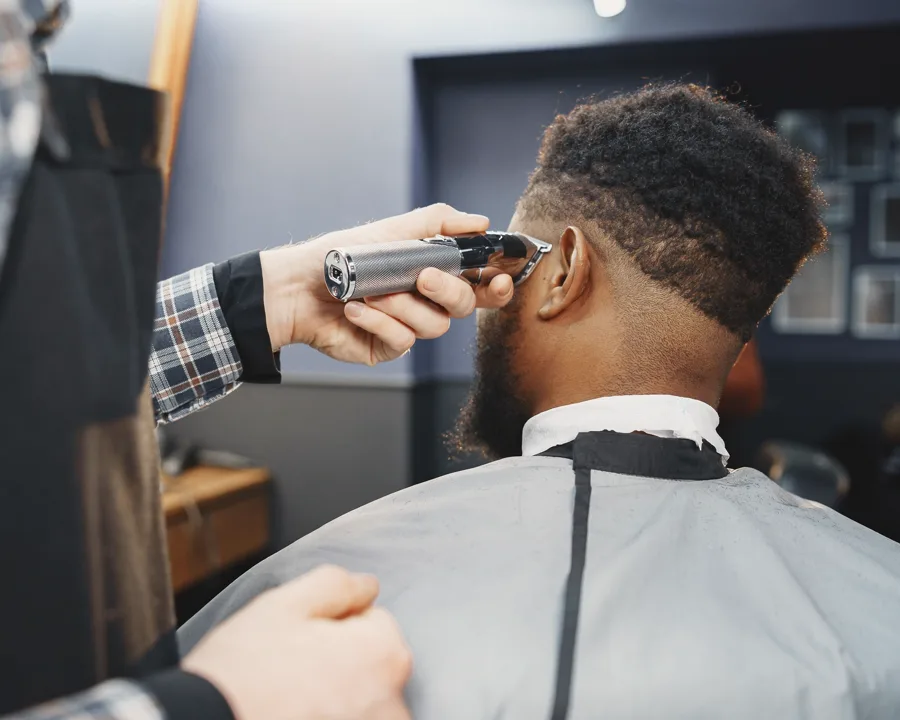
None of these extras is mandatory. The cut looks complete without them. Add them for the sharpest photos, and skip them on routine visits to keep the bill down.
Tipping Your Barber: How Much Is Normal
Tip 15 to 20 percent of the cut price, which means $5 to $9 on a typical $25 to $45 Edgar cut.
Tip on the full service total, including extras. If the lineup and beard work took real time, tip on the combined bill. Cash tips are still common in barbershops, but most shops accept card tips now.
For a regular barber you see every few weeks, consistency matters more than size. A steady 20 percent keeps you a priority client. Many men add a larger tip in December for a barber they used all year.
Upkeep Cost: What an Edgar Really Costs Per Year
The fringe grows out of line in two to three weeks, so the yearly cost is the visit price times 17 to 26 visits.
That schedule is simple biology. According to the American Academy of Dermatology, scalp hair grows about half an inch per month on average. Half an inch is enough to blur a straight fringe line and soften the taper.
17–26 visits a year
An Edgar trimmed every 3 weeks needs about 17 barber visits a year. The same cut trimmed every 2 weeks needs 26 visits a year.
Source: MidTaperFade.com — visits per year calculated from the 2 to 3 week trim interval.
| Trim schedule | Visits a year | Yearly cost at a $25 cut + tip | Yearly cost at a $35 cut + tip |
|---|---|---|---|
| Every 2 weeks | 26 | $780 | $1,092 |
| Every 3 weeks | 17 | $510 | $714 |
The yearly costs include a 20 percent tip and come from simple multiplication. Your real total depends on your shop and your schedule. Stretching from two weeks to three cuts the yearly bill by about a third.
A cheaper pattern mixes visit types. Get the full cut every four to six weeks, and book a lineup-only visit in between. The lineup costs $10 to $15 and keeps the fringe frame sharp.
Five Ways to Save Money Without Ruining the Cut
You can cut the yearly cost of an Edgar by about a third without touching the quality of the cut itself.
1. Stretch to three weeks, not two. The fringe still reads clean in week three on most hair types. That one change drops you from 26 visits a year to about 17.
2. Touch up the lineup at home. A small trimmer handles the neckline and temple edges between visits. It cannot redo the fringe, so leave the front line to your barber. If you ever want to try a full home cut instead, read our how to do a fade haircut guide before you start.
For home lineup touch-ups on the neckline and temples between barber visits. It keeps the Edgar frame tidy, so the full cut can wait an extra week.
Disclosure: As an Amazon Associate, MidTaperFade.com earns from qualifying purchases made through links on this page, at no extra cost to you.
3. Book off-peak slots. Some shops discount weekday mornings or run first-visit deals. Ask when you book. Saturday prices and Saturday waits are both the highest of the week.
4. Try a barber school for routine cuts. A supervised student cut costs $10 to $20. Save the premium shop for the first cut, for photos, or for a style change.
5. Rotate the extras. Get the design or beard connect every other visit instead of every visit. The cut still looks sharp, and the add-on bill halves across the year.
When Paying More Is Worth It
Paying more is worth it when the extra money buys fringe precision, and that matters most on a first Edgar or a complex version.
The fringe is a single straight line across your forehead. Every wobble shows. A senior barber checks it dry, from both sides, under good light. That time is what the premium price actually buys.
So pick the exact version before you book the expensive chair. Browse mid taper fade Edgar styles, save two or three photos, and bring them to the appointment. A clear photo shortens the consultation and removes the guesswork you would otherwise pay to fix.
Thick, wavy, or curly hair also justifies a stronger barber. Texture fights the straight line, and fixing a bad fringe means growing it out. Pay for the specialist once, then maintain the shape at a regular shop.
Frequently Asked Questions
How much does an Edgar haircut cost on average?
Most men pay $25 to $45 for an Edgar haircut at an independent US barbershop. Budget chains charge $20 to $30, and premium city shops charge $45 to $65 or more. Tip and extras sit on top of those ranges, so a $35 cut often ends near $42 with a 20 percent tip.
Why is an Edgar cut more expensive at some barbershops?
Three things set the price: the barber’s seniority, the city’s rent, and what the price includes. The Edgar fringe also takes longer than a standard crop, since the line must be cut and checked dry. Shops that include a lineup, wash, and styling finish charge more than shops that do not.
How much should I tip for an Edgar haircut?
Tip 15 to 20 percent of the total bill. On a $25 to $45 cut, that means $5 to $9. Tip on extras too, since the lineup or beard work took real chair time. A steady 20 percent for a regular barber is the common pattern.
How often does an Edgar cut need a trim?
Plan on a trim every two to three weeks. The fringe loses its straight line as it grows, and the taper softens over the same period. That schedule means 17 to 26 barber visits a year. Many men alternate full cuts with cheaper lineup-only visits to stretch the budget.
Is a lineup included in the Edgar haircut price?
Often, yes, at independent barbershops, where a basic edge-up is part of the standard service. Chains and premium shops more often list it separately at $5 to $15. Ask before the cut starts, not at the register, so the final bill holds no surprises.
Can I maintain an Edgar cut at home to save money?
Yes, partly. A small trimmer keeps the neckline and temple edges clean between visits, and matte clay keeps the fringe sitting flat. Leave the fringe line itself to your barber, since one uneven pass shows until it grows out. Home touch-ups stretch a cut from two weeks to three.
About the Author
Conclusion
Budget for the cut, the tip, and the upkeep together, and an Edgar never surprises your wallet.
The edgar haircut cost question has a simple core answer. Expect $25 to $45 per cut at a good independent shop, plus a 15 to 20 percent tip. Extras and city prices move the number, but the ranges in this guide will keep you close.
Pick your exact style first, choose the shop tier that fits the occasion, and set a trim schedule you can afford all year. That is the whole system. The cut stays sharp, and the bill stays predictable.
By Sonia Kanwal