15 Best Mid Taper Fade Asian Haircuts for Men (2026)

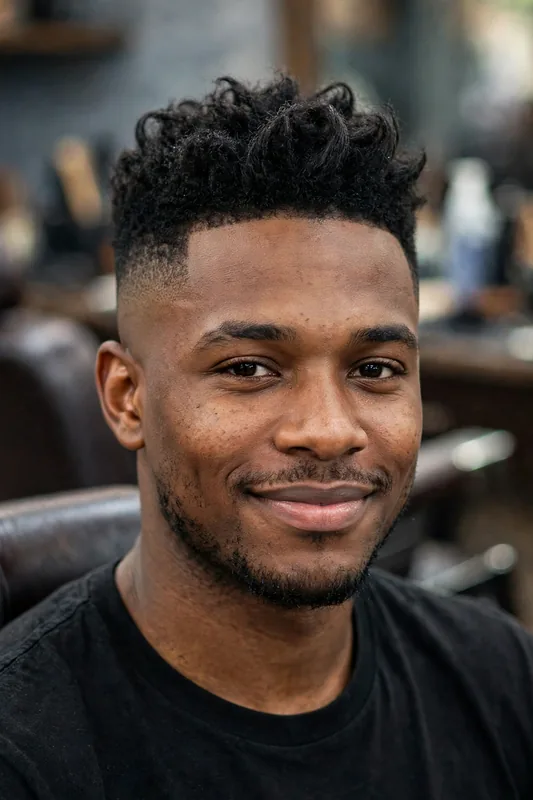
Mid taper fade Asian haircuts work especially well when the sides stay clean while the natural density and length on top stay fully visible. This gives the cut a fuller look than a skin fade would, which suits thick, straight textures common in Asian hair. This guide covers Korean-inspired cuts, two-blocks, fringe, quiffs, and longer styles for every face shape and hair type — see our complete mid taper fade guide for the full breakdown. For even more inspiration, browse our mid taper collection of 20 styles, tips, and photos.
What Is a Mid Taper Fade Asian Haircut?
A mid taper fade Asian haircut pairs a medium-height taper at the temples and neckline with longer hair on top, kept straight, textured, parted, or swept back. It keeps more hair around the sides than a skin fade, which suits the fuller look common with thick Asian hair while still looking clean.
Why Is This Haircut So Popular in 2026?
The style stays popular because it flexes across textured tops, two-block shapes, middle parts, fringe, and natural volume — the exact trends men are asking for in 2026. It also grows out more evenly than a tight skin fade, so touch-ups feel less urgent.
| Pros | Cons |
|---|---|
| Works well with thick straight hair | Thick hair may need regular thinning or shaping |
| Keeps the temples and neckline clean | The top may need daily styling |
| Works with short and long tops | Fast-growing sides need regular touch-ups |
| Can be adapted to many face shapes | Very fine hair may need extra volume |
| Pairs well with two-block and fringe styles | Heavy products can make straight hair look flat |
15 Best Mid Taper Fade Asian Haircut Ideas
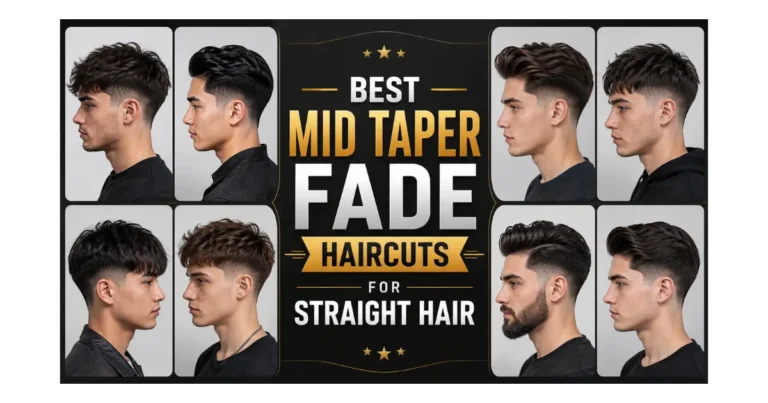
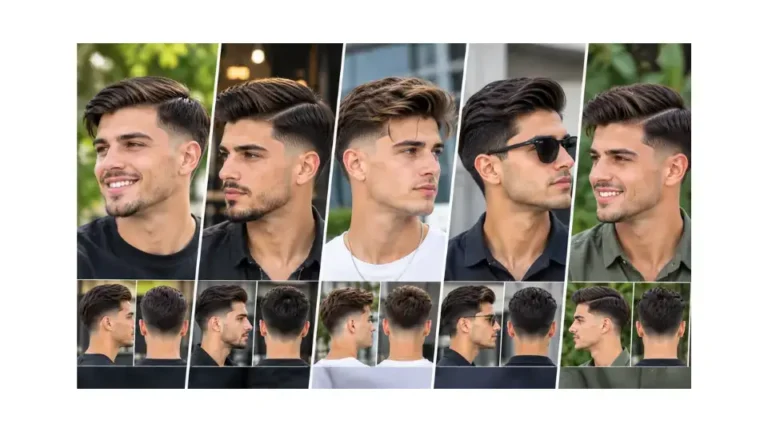
These 15 mid taper fade Asian haircuts range from classic and textured cuts to Korean-inspired two-blocks, fringe styles, and longer looks, covering every hair density and styling preference. Each style below includes what hair type it suits best so you can pick one that actually works with your texture, not just how it looks in the photo.
Classic and Textured Styles
Classic and textured mid taper fade Asian styles keep the sides clean and controlled while giving the top either a smooth, natural finish or added texture for movement. These are the easiest starting points if you’re new to the cut or want something low-effort to style day to day.
1. Classic Mid Taper Fade

A classic mid taper keeps the sides controlled while leaving enough length on top for a natural shape. It’s a strong starting point if you want a clean haircut without committing to a very short fade.
Best For: Straight, thick, or medium-density hair
Popular With: Guys who want a low-maintenance daily look
✂ Pro Tip: Ask your barber to keep the crown length untouched — it’s what lets this cut go from work-ready to messy in ten seconds flat.
2. Textured Top Mid Taper

Adding texture breaks up the weight of thick straight hair and gives the top more movement. A matte styling product usually works better than a heavy, shiny pomade for this finish.
Best For: Thick straight hair
Popular With: K-drama and streetwear-inspired looks
3. Messy Mid Taper Fade

A messy finish lets straight Asian hair look less rigid while keeping the sides structured. Leave enough length on top to create separation with your fingers rather than brushing everything into one direction.
Best For: Medium to thick hair
Popular With: Casual, off-duty styling
Korean-Inspired and Two-Block Styles
Korean-inspired and two-block mid taper fade styles pair a clearly longer top with a clean tapered base, creating the sharp length contrast this look is known for. These work best with straight, thick hair that holds shape without extra product.
4. Korean Two-Block Mid Taper

A two-block shape keeps a noticeable difference between the longer top and shorter sides. Adding a mid taper makes the lower section cleaner while preserving the recognizable two-block silhouette.
Best For: Thick straight hair
Popular With: K-pop-inspired styling
✂ Pro Tip: Two-block only works if your barber cuts a visible step between the lengths — a gradual taper on top ruins the shape.
5. Middle Part Mid Taper

A middle part works best when the top has enough length to fall naturally on both sides. The taper keeps the area around the ears and neckline neat without taking away the longer center section.
Best For: Medium to long straight hair
Popular With: A dressed-up, editorial look
6. Curtain Fringe Mid Taper

Curtain-style fringe gives the haircut a softer shape while the taper adds definition around the sides. It suits men who prefer some length around the forehead instead of a fully exposed hairline. For more fringe-specific styling and maintenance advice, see our mid taper fade fringe guide.
Best For: Straight or slightly wavy hair
Popular With: A softer, boy-next-door look
Fringe and Forward Styles
This section covers mid taper fade Asian fringe styles specifically. For fringe styling tips, product recommendations, and maintenance that apply across hair types, see the full mid taper fade fringe guide.
7. Textured Fringe Mid Taper

A textured fringe brings the top forward and creates a more casual finish. Keeping the fringe slightly uneven can prevent thick straight hair from looking too heavy across the forehead.
Best For: Thick straight hair
Popular With: A relaxed, everyday fringe look
✂ Pro Tip: Point-cut the fringe ends instead of blunt-cutting — it stops thick Asian hair from sitting like a solid block across the forehead.
8. Short Fringe Mid Taper

A shorter fringe gives the haircut a sharper, lower-maintenance shape. The top can be lightly textured instead of completely flat to add dimension.
Best For: Straight and medium-density hair
Popular With: Low-maintenance daily styling
Volume and Styling Styles
Volume and styling mid taper fade Asian looks use blow-drying and lightweight product to lift the top, giving the cut noticeably more height and movement than a naturally worn style. These need a bit more daily effort but suit anyone who wants a bolder, more finished look.
9. Quiff Mid Taper

A quiff uses the natural thickness of Asian hair to create height at the front. Blow-dry the front upward and slightly backward before applying a lightweight styling product.
Best For: Thick, straight hair
Popular With: A sharper, going-out look
✂ Pro Tip: Dry the front section first while it’s still damp — thick Asian hair loses lift fast once it’s fully dry.
10. Fluffy Mid Taper

The fluffy version keeps the top soft, lifted, and slightly loose rather than sharply defined. It works particularly well when the hair has enough natural density to hold volume.
Best For: Thick straight or slightly wavy hair
Popular With: A soft, natural finish
11. Blowout Mid Taper

A blowout pushes the hair upward and away from the face to create visible volume. Use moderate heat and a heat-protective product when blow-drying — the American Academy of Dermatology notes that repeated high-heat styling can damage hair over time. (American Academy of Dermatology)
Best For: Thick hair with good length on top
Popular With: A bold, statement look
✂ Pro Tip: Use a round brush on the front section only — trying to blow out the whole head at once is what makes thick Asian hair fall flat by midday.
Clean and Longer Mid Taper Fade Asian Styles
These mid taper fade Asian styles keep more length on top for a slicked-back, parted, or side-swept finish while the taper still keeps the sides sharp. They suit straight, medium-to-long hair and work well for more polished or professional settings.
12. Slick Back Mid Taper

A slick back moves the longer top away from the face while the taper provides a clean outline around the sides. Straight Asian hair can make this style particularly easy to comb into position.
Best For: Medium to long straight hair
Popular With: Formal and business settings
13. Side Part Mid Taper

A side part gives the haircut a more structured appearance without requiring the top to be extremely short. A natural part can be styled with a comb, while a softer finish works better with a matte product.
Best For: Straight and slightly wavy hair
Popular With: A polished, professional look
14. Long Top Mid Taper

Keeping extra length on top gives you more styling options between appointments. You can switch from a middle part to a textured fringe or swept-back shape without changing the taper.
Best For: Thick, straight hair
Popular With: Guys who want one cut, multiple looks
✂ Pro Tip: This is the easiest option if you’re growing out a shorter cut — the taper stays sharp while the top catches up.
15. Low-Volume Natural Mid Taper

Not every version needs dramatic height or heavy styling. A natural top with a simple shape lets the hair’s own texture and direction do most of the work.
Best For: Straight, fine, or medium-density hair
Popular With: A no-fuss, natural look
How to Choose the Right Style for Your Hair Type
Choosing the right mid taper fade Asian style for your hair type depends mainly on density and texture — thick and straight hair gives you the most styling flexibility, while fine or wavy hair needs a bit more length kept on top. The sections below break down what works best for each texture.
Straight Hair
Straight Asian hair gives you the most styling flexibility of any texture — it holds parts, fringe, quiffs, and slick backs without fighting you. For the full breakdown of styling straight hair with a mid taper, see our mid taper fade straight hair guide.
Wavy Hair
Slight waves can add natural movement to a mid taper. Keep enough length on top to let the wave form instead of cutting it so short that the texture disappears.
Thick Hair
Thick hair benefits from controlled weight on top and a clean taper around the sides. Tell your barber whether you want the top to look dense or more lightweight so they can shape it accordingly.
Fine Hair
Fine Asian hair generally benefits from keeping some length and creating texture rather than aggressively thinning it. A shorter taper with a textured top can make the haircut look more structured.
Medium-Length Hair
Medium-length hair gives you the widest styling range. Middle parts, curtains, slick backs, quiffs, and longer textured styles can all work while the taper keeps the lower sides controlled.
Best Mid Taper Fade Asian Styles by Face Shape
Choosing the right mid taper fade Asian style comes down to matching top volume and taper height to your face shape, since straight, thick hair already adds visual weight on top. The right balance keeps your proportions even instead of exaggerating your features.
Oval Face
Most versions work well with an oval face because the proportions are naturally balanced. A classic taper, middle part, fringe, or quiff can all work depending on your preferred amount of volume.
Round Face
A little height on top can make the face appear longer. Quiffs, textured volume, and controlled blowouts are useful options.
Square Face
A square face can handle sharper, structured styles. A classic taper, side part, textured top, or slick back can emphasize the natural angular shape.
Heart Face
A textured fringe or middle part can help distribute visual weight around the forehead and sides. Avoid creating excessive height if it makes the upper face look wider.
Long Face
Keep the top moderate rather than extremely tall. A fringe, middle part, or fuller side profile can create a more balanced overall shape.
Diamond Face
Textured tops and medium-length styles can work well because they add visual width around the upper sides. A natural fringe can also soften the cheekbone area.
Rectangular Face
A medium-length top with controlled volume usually works better than an extremely high quiff. Side parts, textured tops, and natural styles are practical choices.
Best Mid Taper Fade Asian Styles by Age Group
Age and lifestyle usually decide how bold a mid taper fade Asian style can be, with teenagers and young men able to experiment more than professional settings typically allow. Maintenance routine also shifts depending on how much daily styling time you’re willing to put in.
Teenagers
Age and lifestyle usually decide how bold a mid taper fade Asian style can be, with teenagers and young men able to experiment more than professional settings typically allow. Maintenance routine also shifts depending on how much daily styling time you’re willing to put in.
Young Men
Young men can experiment with quiffs, blowouts, slick backs, two-block cuts, and textured tops. The mid taper provides a consistent clean base while the top changes the character of the haircut.
Professional Men
For a professional setting, choose a classic taper, side part, controlled slick back, or moderate textured top. Keeping the neckline and temples clean makes the haircut look polished without requiring an extreme fade.
How to Ask Your Barber for a Mid Taper Fade
When asking for a mid taper fade Asian haircut, tell your barber you want a mid taper, then show a reference image from the front and side. Explain how much length you want to keep on top and whether you normally wear it forward, parted, lifted, or backward.
For the taper itself, you can discuss clipper guard lengths:
- Guard 1: about 3 mm
- Guard 2: about 6 mm
- Guard 3: about 10 mm
- Guard 4: about 13 mm
The exact blend depends on the barber’s technique and the starting length of your hair, so the guard number alone doesn’t determine the finished fade.
Mid Taper Fade Tutorial — Video Guide
A video makes the taper placement and top length easier to understand than text alone. Use a real barber tutorial that clearly shows the front, sides, temples, neckline, and finished styling.
Common Mid Taper Fade Mistakes to Avoid
Most mid taper fade Asian mistakes come down to taking off too much length or ignoring hair density, both of which limit how the top can be styled afterward. Catching these before your barber starts saves weeks of growing it back out.
How to Maintain a Mid Taper Fade Asian Haircut
How to maintain a mid taper fade Asian haircut comes down to regular taper touch-ups, minimal daily product, and washing routines that match straight or thick hair. Skip any of these and the clean sides that define the cut start to blur fast.
Taper Maintenance
The cleanest appearance usually comes from refreshing the temples and neckline before they become noticeably overgrown. Your ideal interval depends on how quickly your hair grows and how sharp you want the taper to remain.
Daily Styling
Start with clean, towel-dried hair and use the minimum amount of styling product needed. For volume, direct the hair with a blow-dryer rather than repeatedly applying heavy product.
Shampoo and Conditioner
Hair-care routines should match your hair type. The American Academy of Dermatology recommends shampooing according to how oily or dirty the hair becomes and applying conditioner after washing; for straight or fine hair, conditioner can be concentrated toward the ends. (American Academy of Dermatology)
Heat Protection
If you regularly blow-dry or use heated styling tools, use a heat-protective product and avoid unnecessarily high temperatures. Excessive heat can damage hair regardless of hair type. (American Academy of Dermatology)
Satin Pillowcase
A satin pillowcase can help reduce friction while you sleep and may make longer styles easier to manage in the morning. Treat it as a styling-maintenance choice rather than a requirement for healthy hair.
Sulfate-Free Products
A sulfate-free shampoo can help if your hair feels dry or your current cleanser is too harsh, but the label alone doesn’t determine whether a product is right for you. Choose products according to your scalp and hair needs.
Mid Taper Fade vs Other Haircuts
A mid taper fade Asian style differs from a low taper, mid fade, two-block, or undercut mainly in how much hair stays on the sides and how gradual the blend is. The right comparison below depends on whether you want more length retained or sharper, more visible contrast.
Sits higher on the sides — keeps less length than a low taper
Blends gradually instead of exposing skin — softer contrast
Cleans up the sides within the same longer-top structure
Gradual blend, not a hard separation between top and sides
Mid Taper Fade vs Low Taper
A low taper starts lower around the temples and neckline, while a mid taper sits higher. The mid version creates more visible cleanup around the sides without necessarily exposing as much skin as a very tight fade.
Mid Taper Fade vs Mid Fade
A mid fade removes or shortens more hair across the sides, while a taper concentrates the transition around specific areas such as the temples and neckline. If you want to retain more of your natural side shape, a taper is usually the less aggressive option. See our full mid taper fade guide for how the base cut is defined.
Mid Taper Fade vs Two-Block
A two-block focuses on the relationship between a longer top and shorter sides. A mid taper can be incorporated into that structure to clean up the lower sides while preserving the longer top.
Mid Taper Fade vs Undercut
An undercut creates a stronger separation between the top and sides. A taper uses a gradual transition, giving the haircut a more blended appearance.
Frequently Asked Questions
Is a mid taper fade good for Asian hair?
Yes. It works particularly well with straight or thick hair because the taper cleans up the sides while allowing the natural density and length on top to remain.
What is the best style for thick Asian hair?
Textured tops, two-block cuts, middle parts, quiffs, and longer styles are strong options. The right choice depends on your preferred length and how much daily styling you want to do.
Does a mid taper work with straight Asian hair?
Yes. Straight hair is highly adaptable and can be styled into a fringe, middle part, side part, quiff, slick back, or natural textured shape.
How often should I maintain the taper?
There is no single schedule for everyone. A touch-up is usually needed when the temples and neckline become noticeably grown out, with the timing depending on individual hair growth.
Can I get a mid taper with a two-block haircut?
Yes. The longer two-block top can remain intact while the lower sides and neckline receive a tapered finish.
Is a mid taper better than a mid fade?
Neither is universally better. Choose a taper if you want more hair retained around the sides, and consider a mid fade if you want a more noticeable reduction across the side panels.
How do I style thick straight Asian hair?
Start with damp hair, direct it into the desired shape with a blow-dryer, and finish with a small amount of suitable styling product. Avoid loading the hair with heavy product if it already has substantial natural density.
Does a mid taper fade work for Asian hair?
Yes — Asian hair is typically thick and straight, which holds the taper’s clean lines well. The 15 styles above are picked for thick, straight hair textures.
How do I style a mid taper fade on thick Asian hair?
A matte clay or light pomade controls volume without stiffness. Blow-dry the top for direction, then work product through with fingers.
How often should I get a taper touch-up for Asian hair?
Every 2-3 weeks. Thick hair shows growth faster on the tapered sides, so regular clean-ups keep the blend sharp.
What should I tell my barber for an Asian mid taper fade?
Say mid taper on the sides, keep the weight on top, and mention your hair’s natural growth direction. Asian hair often grows straight down or forward, so the barber needs to cut with that pattern, not against it. A photo of the exact top length you want removes all guesswork.
About the Author
Sonia writes and maintains MidTaperFade.com, covering men’s taper fade hairstyles, hair types, styling techniques, and barber-focused haircut guides. Each guide combines hairstyle research, practical styling information, and real reference photos to help readers choose a haircut that fits their hair and personal style.
Conclusion
A mid taper gives Asian hair a clean foundation while leaving the top flexible enough for textured styles, two-block cuts, middle parts, fringe, quiffs, slick backs, and longer looks. The best version depends on your hair density, natural direction, face shape, and preferred maintenance level.