Different Types of Fades: Low, Mid, High, Skin & Taper Explained (2026)
Different Types of Fades: Low, Mid, High, Skin & Taper Explained (2026)
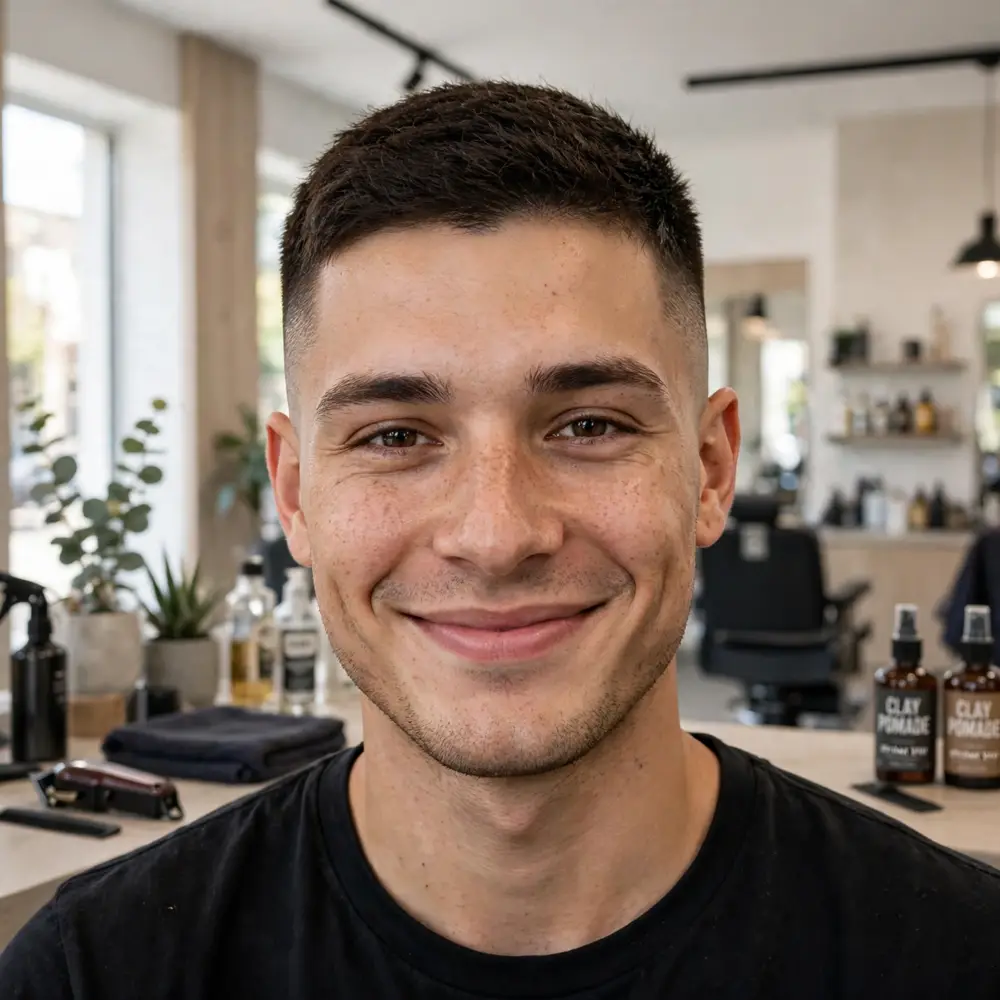
A fade is a haircut where the sides get shorter as they go down. The top stays longer, and the sides blend down smoothly. The only real difference between fade types is where that blend starts.
Low fades start near the ears, mid fades start midway up the sides, and high fades start near the top. A skin fade goes down to bare skin. A taper fade is gentler, with a natural neckline. Pick by how bold you want the contrast to look.
What Is a Fade?
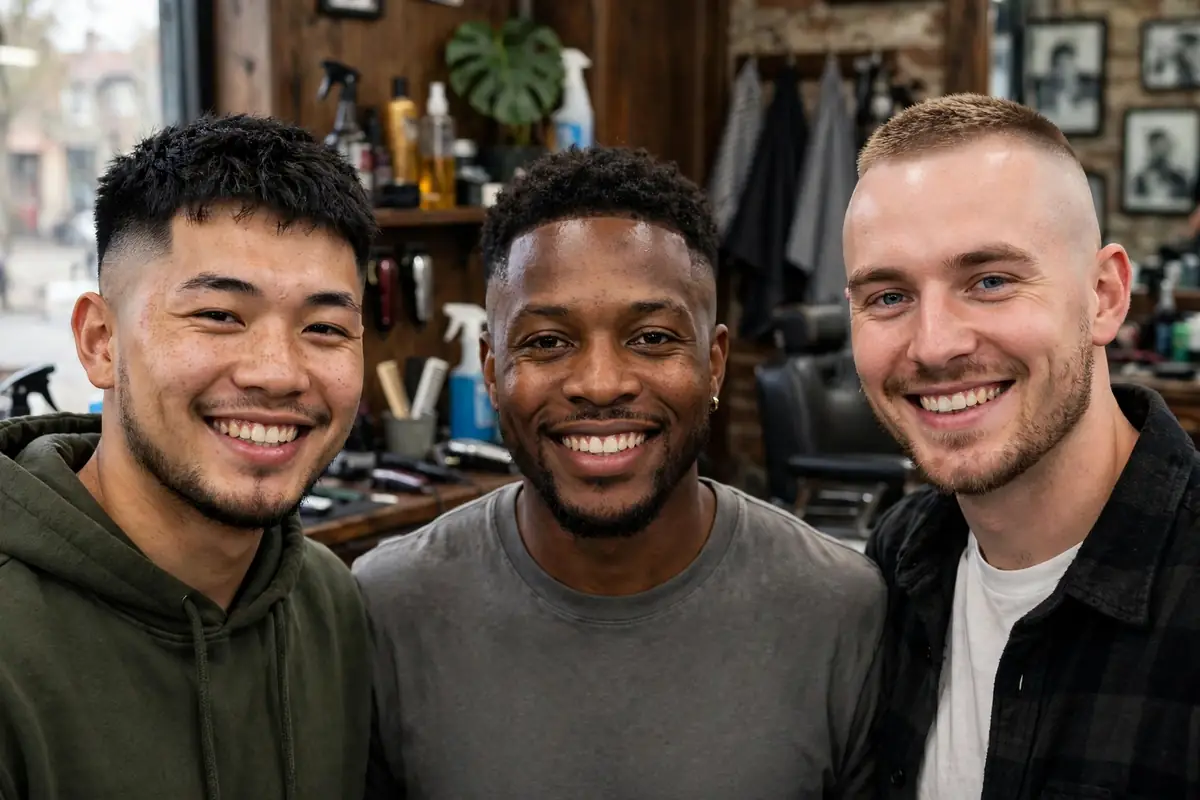
A fade blends the hair from longer on top to shorter at the bottom. The blend is the whole point of the cut. A good fade has no visible lines. It just melts from one length to the next.
Barbers build a fade in bands. Each band uses a shorter guard than the one above it. The lever on the clipper fine-tunes each step. That is how the blend stays smooth instead of stepped.
The word “fade” describes the blend, not one single cut. That is why so many fade names exist. They all use the same blending method. They just start the blend at a different height.
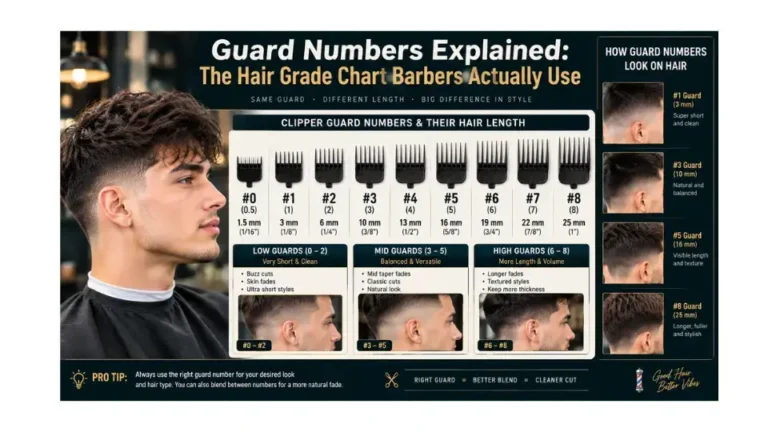
If you want the full guard breakdown, read our guide to taper fade guard numbers. It lists every guard size in millimetres. It also explains the “16 guard” myth.
Low Fade
A low fade starts just above the ears and around the neckline. The sides stay fairly full above that point. This is the most subtle fade of all.
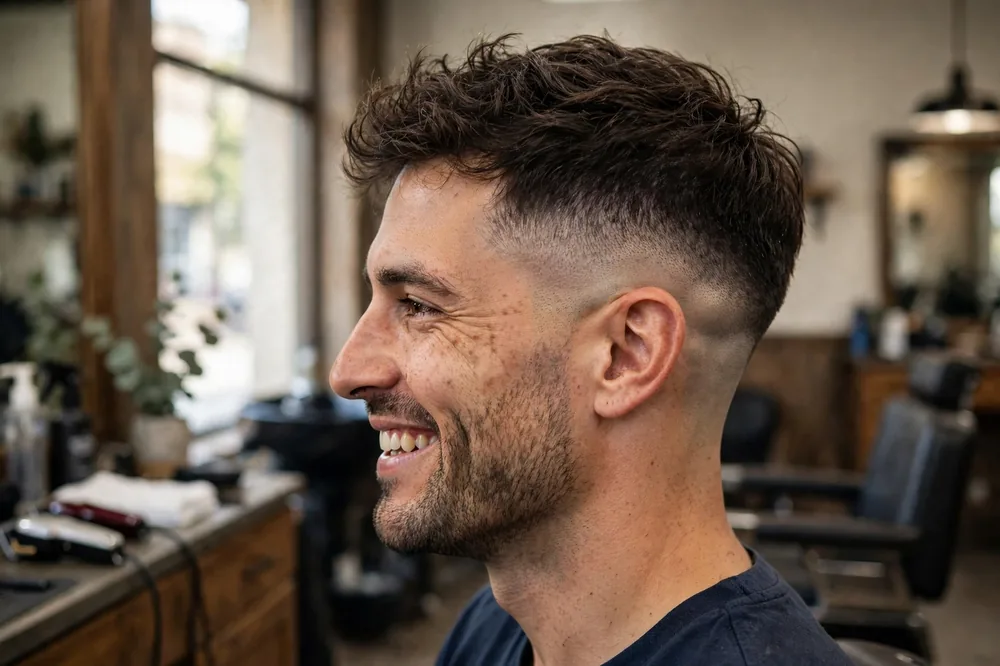
A low fade suits almost everyone. It works well for offices and schools. It also grows out more gracefully than a high fade. You can stretch it to four weeks between cuts.
Ask for a low fade if you want a clean cut without drama. It pairs well with longer tops. It also suits wavy and straight hair equally well.
Best for: first-time fades, office looks, longer tops, low upkeep.
Mid Fade
A mid fade starts midway up the sides, above the ears. It is bolder than a low fade but softer than a high fade. This balance is why it is the most popular fade.
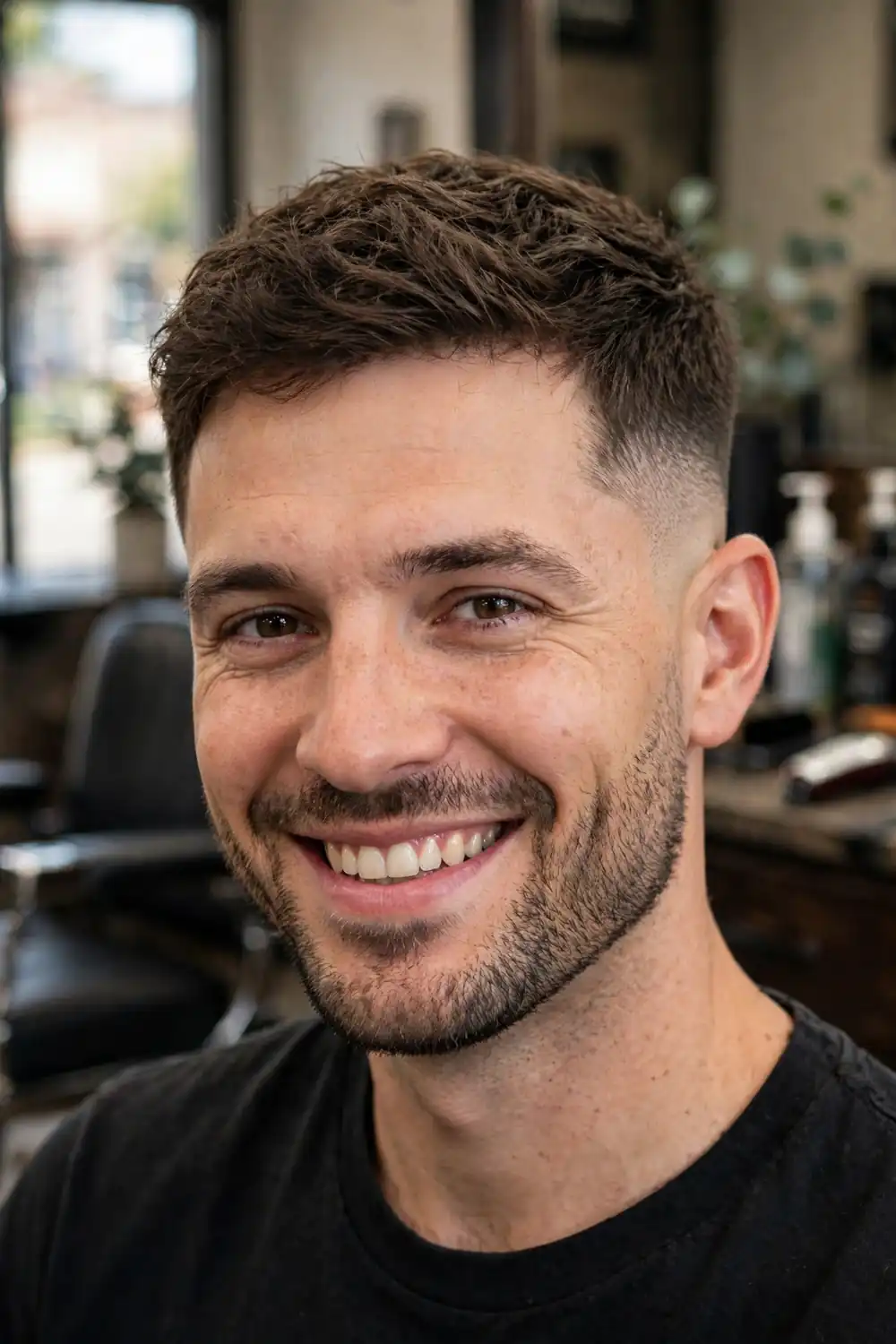
A mid fade shows clear contrast between top and sides. It still keeps enough length to look natural. It works with textured tops, crops, and side-swept styles.
Most barbers know this cut by heart. It is a safe first step up from a low fade. If you are unsure, start here.
Best for: everyday style, textured tops, a clear but not extreme contrast.
High Fade
A high fade starts near the top of the sides, close to the crown. The contrast is sharp and hard to miss. This is the boldest standard fade.
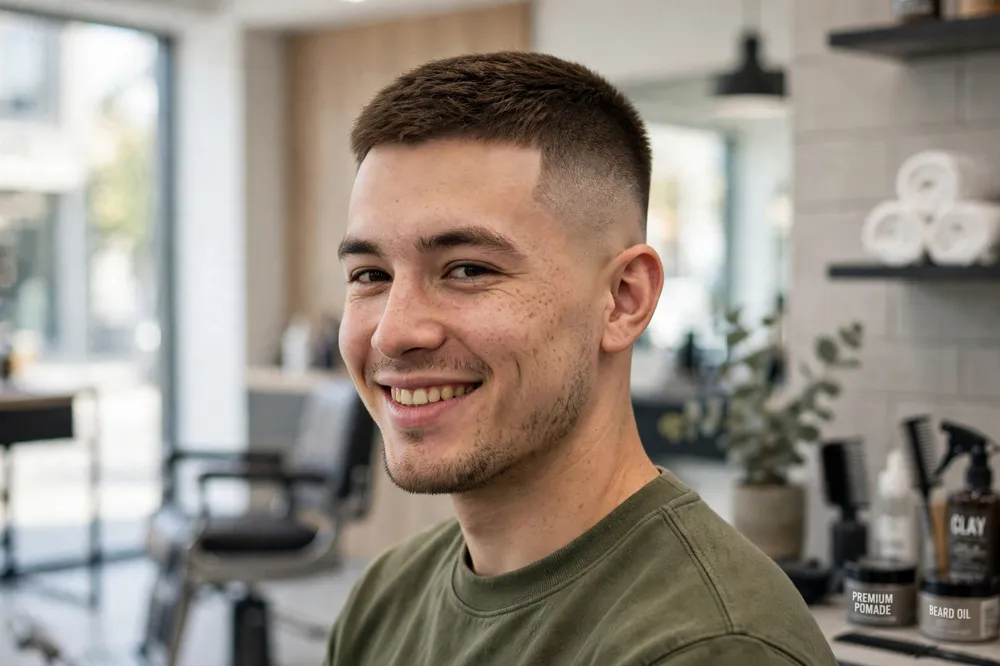
A high fade makes the top look longer by comparison. It also shows the shape of your head clearly. That is great if you like a striking, clean look.
High fades need more upkeep than low fades. The blend grows out visibly within two weeks. Budget for a cut every two to three weeks.
Best for: bold looks, short tops, strong contrast, frequent cuts.
Skin Fade
A skin fade goes all the way down to bare skin at the bottom. The lowest band has no guard at all. It is also called a bald fade.
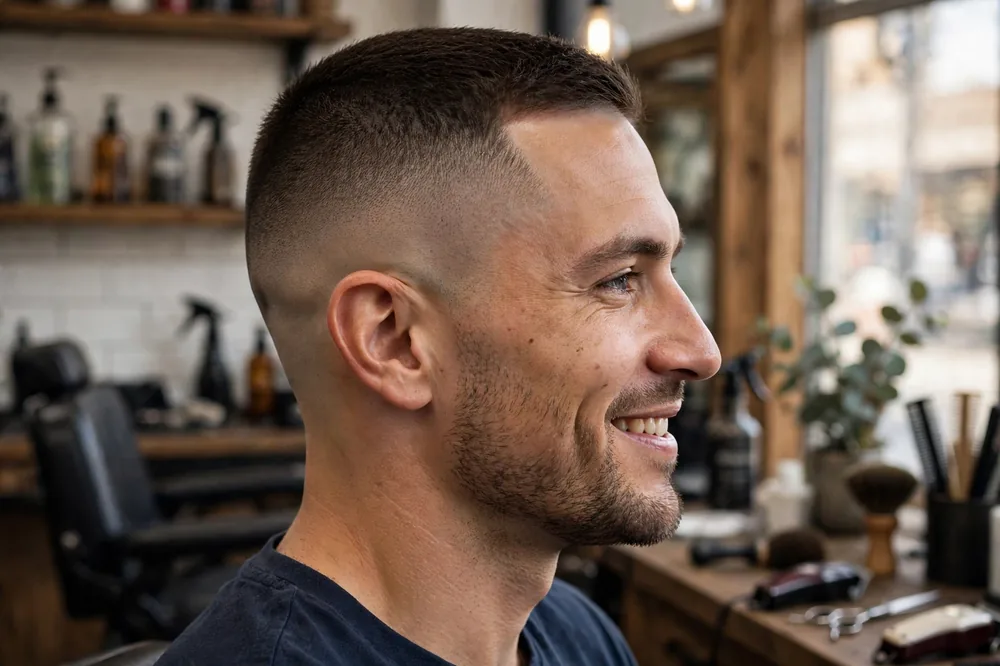
Skin fades can be low, mid, or high too. The word “skin” describes the finish, not the height. So you can ask for a low skin fade or a high skin fade.
A skin fade looks sharpest in the first week. It needs the most upkeep of any fade here. Plan a touch-up every one to two weeks.
Best for: maximum sharpness, short styles, guys who visit the barber often.
Taper Fade
A taper fade is a gentle fade with a natural neckline. The sides shorten gradually toward the ears and neck. The neckline is left natural, not shaved bare.
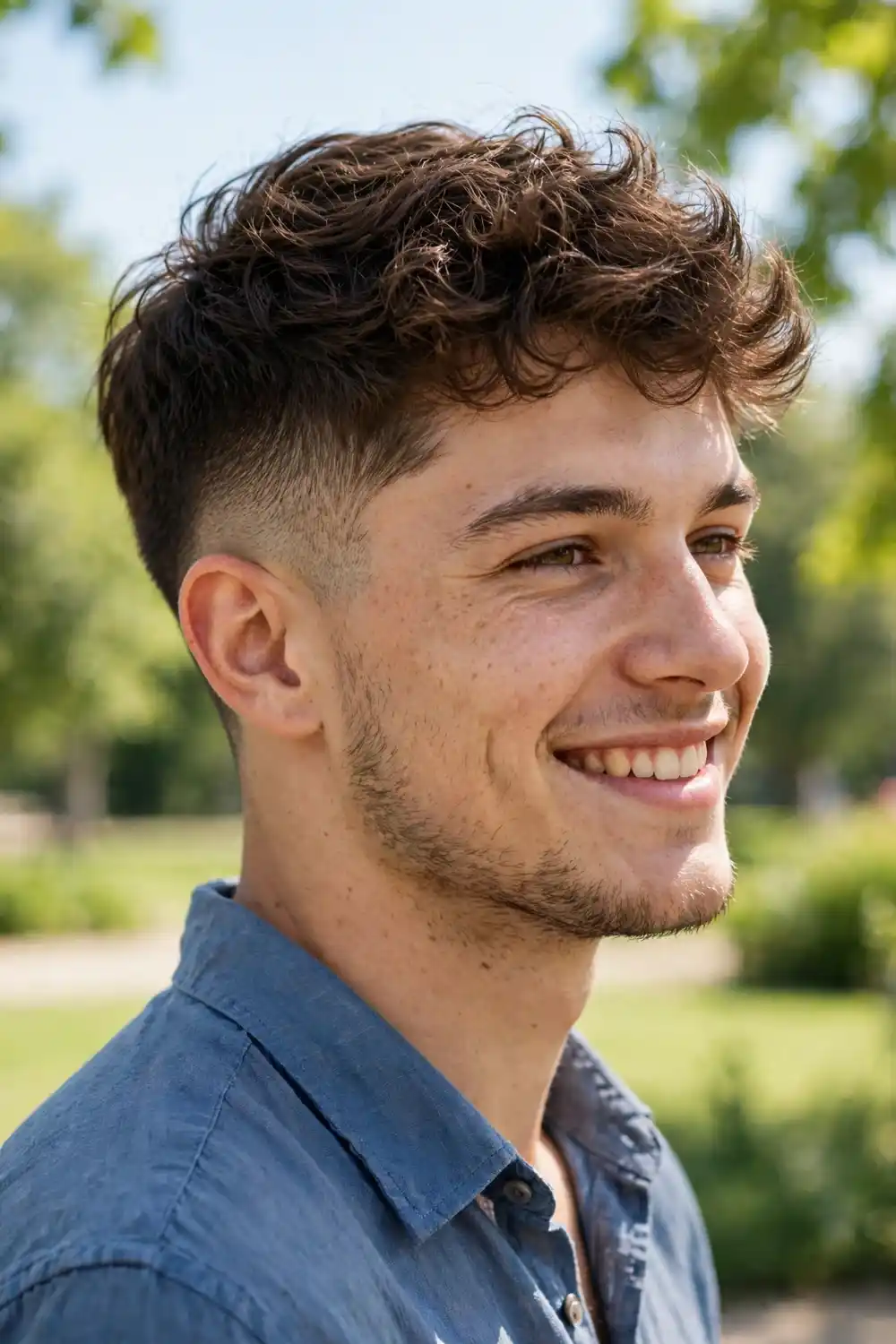
This is the key difference from a skin fade. A taper keeps some softness at the edges. A skin fade removes it completely.
Taper fades grow out the most gracefully. They suit workplaces and formal settings well. They also suit guys who stretch cuts to four weeks.
Our complete mid taper fade guide covers this cut in full. It includes styles, face shapes, and barber scripts.
Best for: natural looks, offices, longer gaps between cuts.
Drop Fade
A drop fade curves down behind the ear instead of going straight around. The fade line drops lower at the back of the head. This creates a curved, rounded shape.
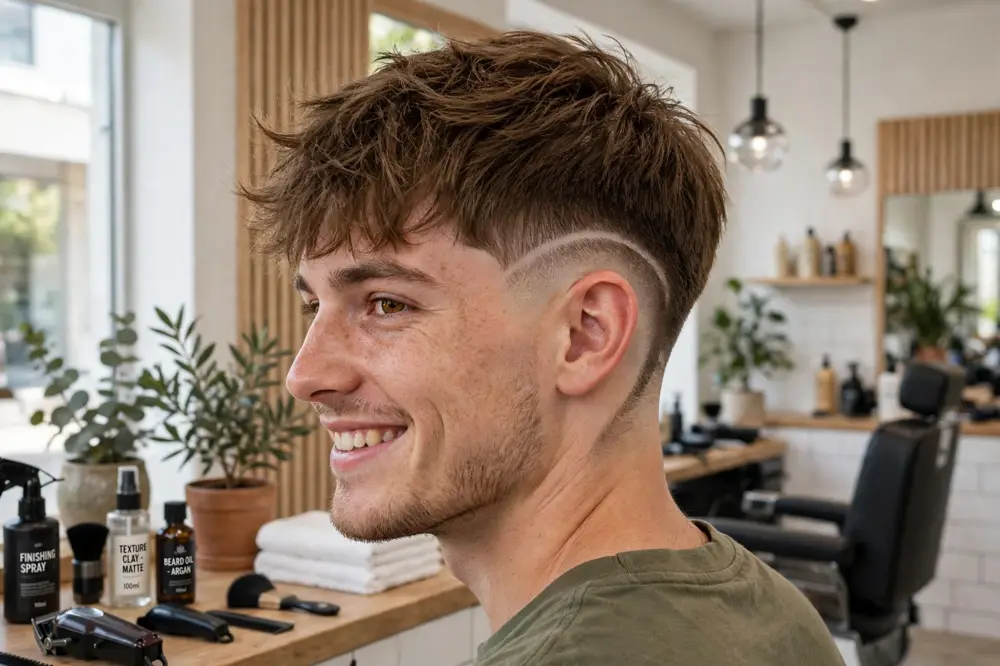
A drop fade suits round and full head shapes well. It follows the natural curve of the skull. It can be low, mid, or high as well.
Ask for a drop fade if a straight fade line looks harsh on you. The curve softens the whole cut. It also looks great from behind.
Best for: curved fade lines, rounder head shapes, a softer back profile.
Different Types of Fades Compared
Use this table to compare fades side by side. Height, boldness, and upkeep are what matter most.
| Fade | Blend starts | Boldness | Touch-up gap |
|---|---|---|---|
| Low fade | Just above the ears | Subtle | 3–4 weeks |
| Mid fade | Midway up the sides | Medium | 2–3 weeks |
| High fade | Near the crown | Bold | 2–3 weeks |
| Skin fade | Any height, to bare skin | Very bold | 1–2 weeks |
| Taper fade | Gradual, natural neckline | Soft | 3–4 weeks |
| Drop fade | Curves down behind the ear | Medium | 2–3 weeks |
Which Fade Suits You?
Your hair type matters less than you think. Most fades work on straight, wavy, and curly hair. The top style matters more than the fade itself.
By hair type
Straight hair shows every blend line clearly. A low or mid fade is the safest pick here. Curly hair hides blend lines well, so bolder fades still look soft.
Thick hair holds a fade shape for longer. Fine hair looks fuller with a low fade. A high fade can make fine hair on top look thinner.
By lifestyle
Busy schedule? Pick a low fade or a taper fade. They forgive a missed week. Regular barber visits? A skin fade stays sharp and impressive.
Office job? Low and taper fades read as neat and safe. Creative job? Mid and high fades give you more edge.
Still torn between a fade and a taper? Read fade vs taper. It compares both cuts side by side.
What to Say to Your Barber
Use the fade name plus the height. That one sentence prevents most bad cuts. Say it before the clippers come out.
Try this script: “I want a mid fade, blended, not too high. Keep the top as it is. Taper the neckline naturally, no hard line.”
For a skin fade, add the finish clearly. Say: “Low skin fade, please. Take the bottom to skin, then blend up.”
Show a photo if you have one. Photos beat words for fade height. Save two photos: one front view and one side view.
Want to try it yourself? Our DIY fade guide walks through the steps. It also lists the tools you need.
Upkeep and Cost
Fades are not wash-and-go cuts. The blend is what makes them look good. Once it grows out, the whole cut softens.
Low and taper fades last the longest. High and skin fades need the shortest gaps. A neckline tidy-up between cuts can stretch any fade by a week.
For home touch-ups, two tools matter most. A clipper handles the blend bands. A trimmer cleans the hairline and neckline.
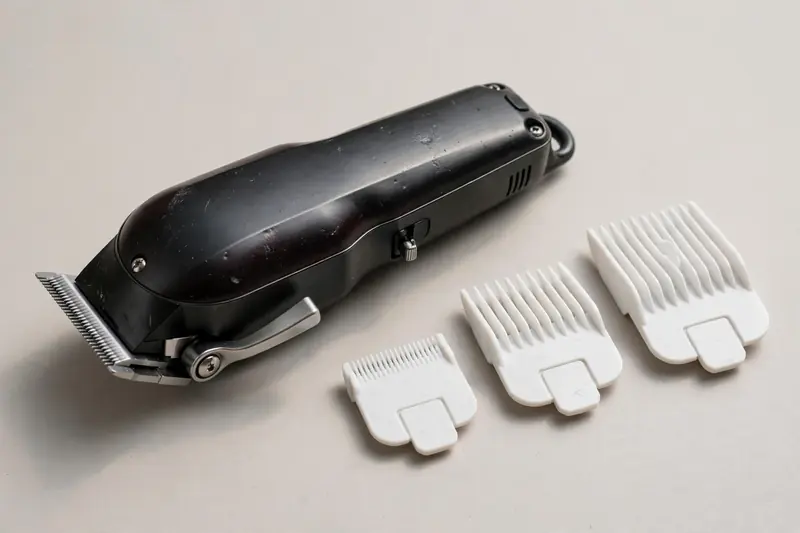
Cordless Clipper with Guards
For blending fade bands and tidying the sides between barber visits.
Check on Amazon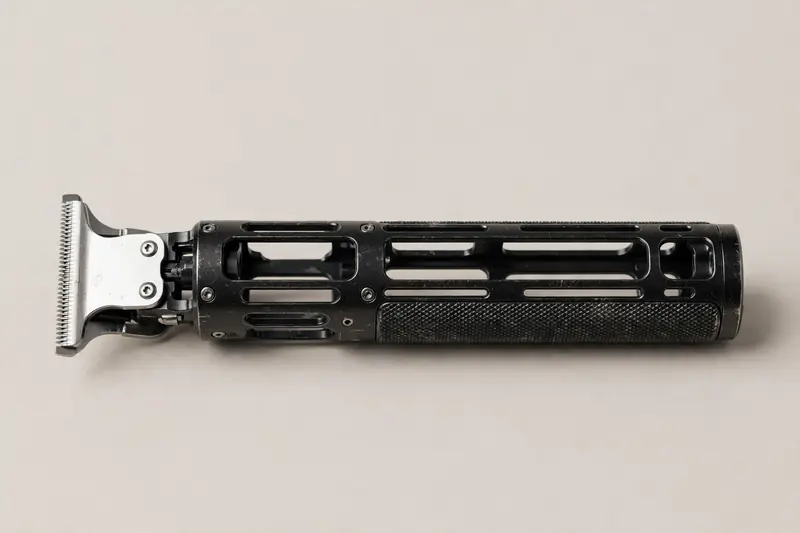
Precision Detail Trimmer
For sharp hairlines, clean ears, and a tidy neckline between cuts.
Check on Amazon
Pomade / Clay for Fade Tops
For texture and hold on top, without weighing a fade down.
Check on AmazonAs an Amazon Associate, I earn from qualifying purchases made through links on this page.
Do not try to re-blend a grown-out fade at home on your first try. Clean the edges only. Leave the blend bands to your barber until you know the steps.
FAQs
What is the difference between a fade and a taper?
A fade blends down to very short hair or skin. A taper shortens gradually and keeps a natural neckline. A taper fade sits between the two: a gentle fade with soft edges.
Which fade is best for a first-timer?
A low fade is best for a first-timer. It is subtle, office-safe, and grows out gracefully. You can move up to a mid fade next time.
What is a skin fade?
A skin fade ends on bare skin at the bottom. The lowest band uses no guard. Skin describes the finish, so a skin fade can still be low, mid, or high.
How often should I get a fade touched up?
Low and taper fades last 3 to 4 weeks. Mid and high fades last 2 to 3 weeks. Skin fades need a touch-up every 1 to 2 weeks.
Does a fade suit straight hair?
Yes, a fade suits straight hair well. Straight hair shows the blend clearly, so pick a low or mid fade first. Ask your barber for a smooth blend, not a hard line.
Can I do a fade haircut at home?
Yes, with practice and the right tools. Start with edge clean-ups only. Follow a step-by-step guide before you try blending bands yourself.
As an Amazon Associate, I earn from qualifying purchases. Product links on this page are affiliate links.