Mid Taper Fade for Wavy Hair: The Tidy Cut That Lets Waves Move (2026)

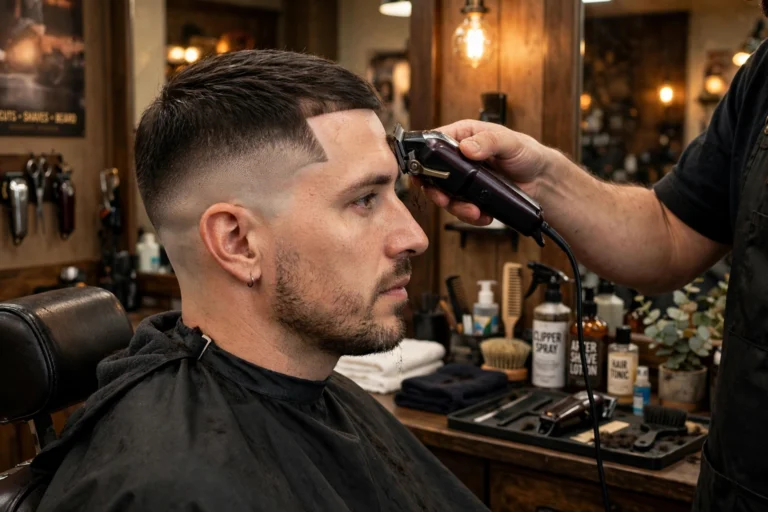
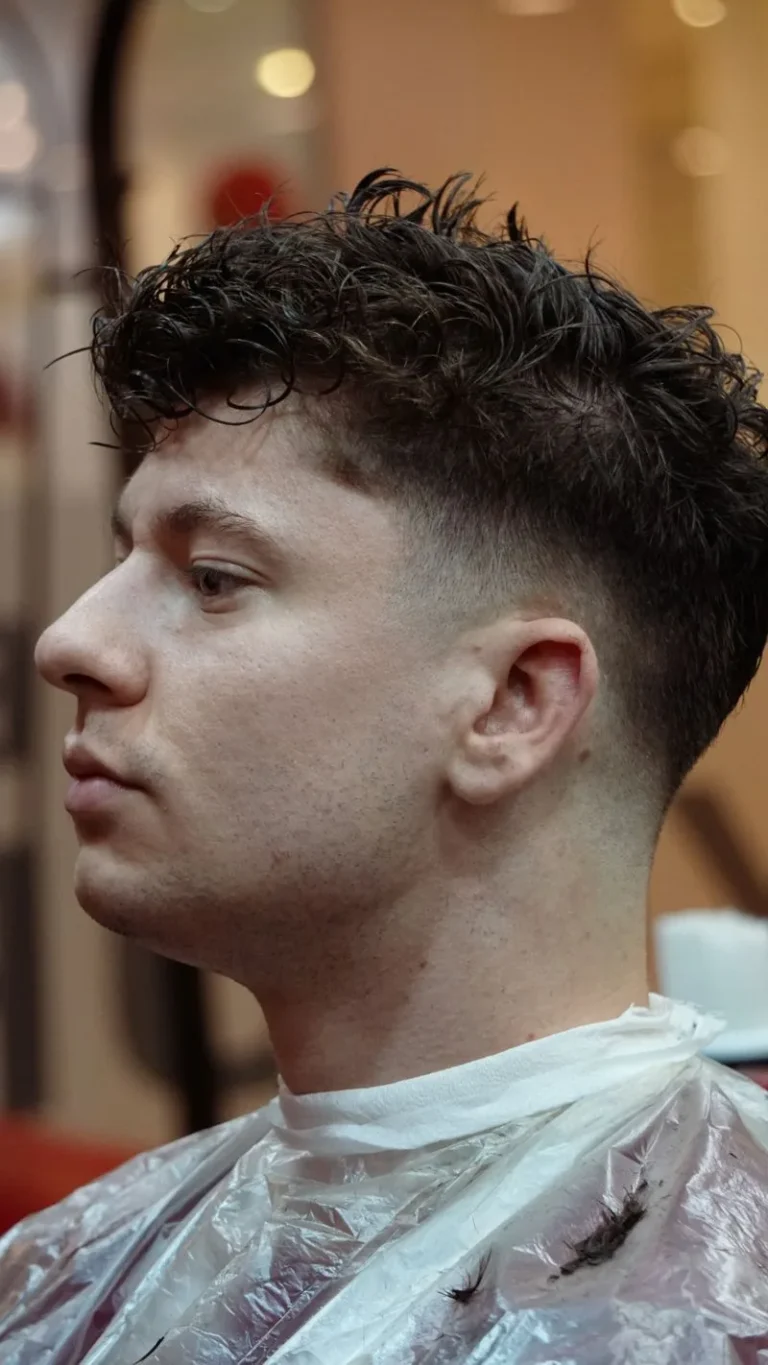
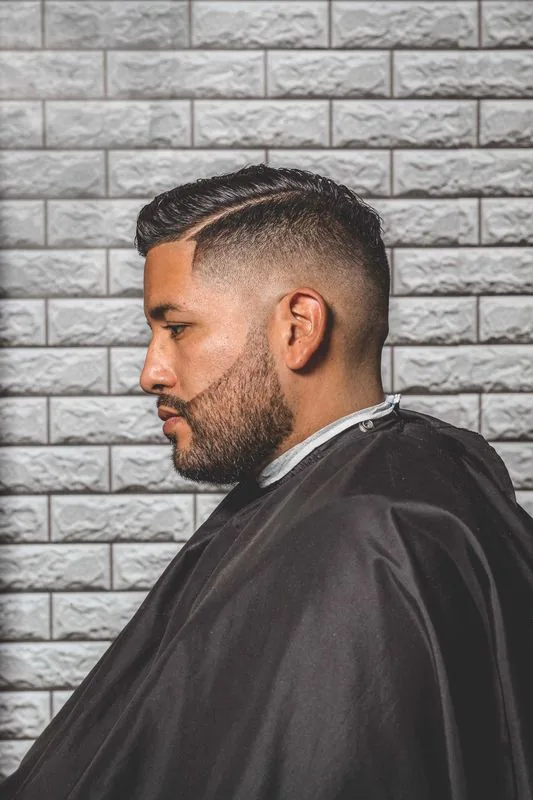
A mid taper fade for wavy hair is a men’s cut with a clean mid-level taper on the sides and natural waves left longer on top. The taper starts around the temples and blends down toward the neckline. The top stays long enough for waves to form, usually 3–5 inches.
This guide covers the versions that suit loose and tight waves, the exact barber script, and a styling routine that controls frizz without flattening the wave. It is written for US readers who want a tidy cut that still lets wavy hair move.
Mid Taper Fade for Wavy Hair Explained: Tidy Sides, Natural Waves
A mid taper fade for wavy hair pairs a mid-height taper with a wavy top that keeps its natural pattern. The sides are clipped short and blended smoothly, so bulk around the ears disappears. The top is cut with scissors, not clippers, so the waves keep their shape.
The taper height is what makes it a mid taper, not a low or high fade. It starts near the temples, which gives a clear outline without taking the sides too high. That height suits wavy hair well, since it removes side bulk while leaving enough top length for waves to show.
For a second view of the blowout version, see the mid taper fade blowout guide from Taper Fade UK. It notes that wavy hair sits neatly with mousse or texture spray while keeping its movement.
Source: Mid Taper Fade Blog
Why This Cut Works for Wavy Hair: Bulk Control Without Losing Movement
Wavy hair gets wide at the sides as it grows, which is why a mid taper helps so much. The taper removes that side width, so the head keeps a clean shape. The waves on top then read as deliberate texture, not as untrimmed bulk.
Waves also hide small grow-out better than straight hair does. A taper that softens over two weeks still looks tidy under wavy length. That makes this cut a forgiving choice if you cannot visit your barber every fortnight.
The cut suits oval, square, and round faces, since height on top lengthens the face. Keep the sides tight and the top lifted, and a round face gains shape instead of width. For face-shape detail on short styles, our guide to haircuts for a receding hairline covers how top length changes the way a face reads.
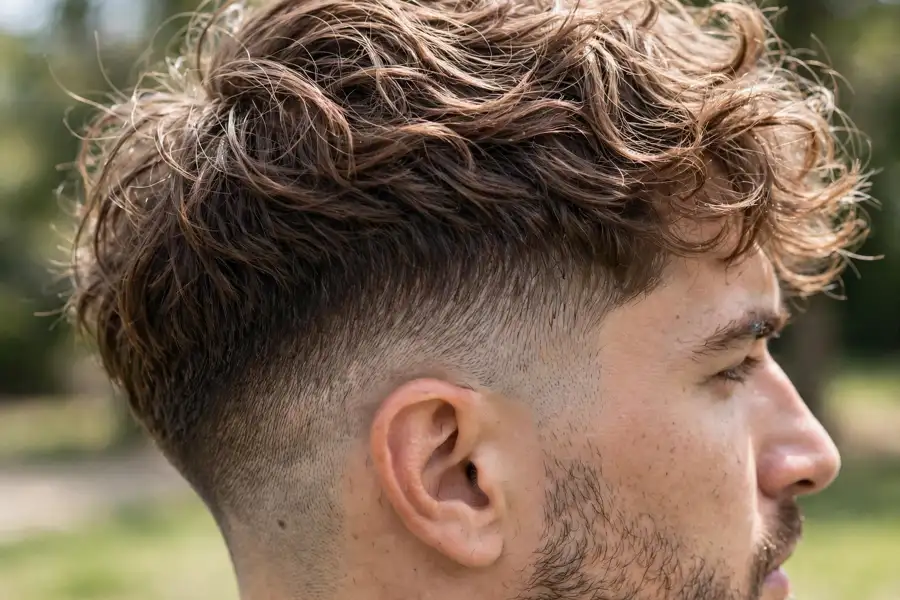
The top is where this cut stands or falls. Layers cut into the wave pattern give each wave room to bend. Blunt, one-length tops on wavy hair tend to sit heavy and hide the wave. Ask for layers that follow your natural wave, not against it.
Three Versions: Loose Waves, Wavy Flow, and Short Wavy Crop
Three versions cover most wavy hair, and they differ mainly in top length. Pick by how much morning styling you want to do. Longer tops need a diffuser routine, while the short crop needs almost nothing.
Loose waves, textured top
The loose-wave version keeps 4–5 inches on top with light layers through the waves. It suits men who like visible texture and do not mind a five-minute routine. Scrunch in curl cream, diffuse on low heat, and the waves hold all day.
Wavy flow, brushed back
The wavy-flow version keeps 3–4 inches on top, brushed back with a vent brush while blow-drying. It suits work settings, since the waves read as neat movement rather than a messy finish. A small amount of pomade or clay adds hold without shine.
Short wavy crop
The short wavy crop keeps about 3 inches on top with a tighter taper outline. It suits men who want the lowest upkeep and a sharp shape. The waves still show, but they sit close to the head and need only a dab of cream.
| Version | Top length | Morning time | Best for |
|---|---|---|---|
| Loose waves, textured top | 4–5 inches | About 5 minutes | Visible texture, casual days |
| Wavy flow, brushed back | 3–4 inches | About 4 minutes | Work, neat movement |
| Short wavy crop | About 3 inches | About 1 minute | Lowest upkeep, sharp shape |
If you prefer a shorter top, our Caesar haircut guide covers a short, sharp cut with a clean taper.
Styling by Wave Type: A 2A, 2B, and 2C Breakdown
Wavy hair is not one texture, and the same routine does not suit every wave. Loose 2A waves need lift, while tighter 2C waves need frizz control first. Match your routine to your wave type, and the cut holds its shape longer.
This breakdown is the part most guides skip, since they treat all wavy hair as one type. Use it to pick the right product amount and drying method for your own waves.
| Wave type | What it looks like | Product | Drying method |
|---|---|---|---|
| 2A, loose waves | Gentle S-bends, fine hair | Light cream, small amount | Scrunch, air-dry or low diffuser |
| 2B, defined waves | Clear waves, some frizz | Curl cream, pea-sized amount | Scrunch, diffuser on low heat |
| 2C, tight waves | Thick waves, near curls | Curl cream, slightly more | Diffuse only, never towel-rub |
Humidity is the other factor most guides leave out. On humid days, add cream to damp hair and skip the vent brush, since brushing dry waves breaks them apart. If frizz still shows by midday, smooth a tiny amount of cream over the top layer only.
How to Ask Your Barber: The Exact Script
Ask for a mid taper fade with scissors on top, cut to follow your natural wave. Say you want the taper to start around the temples and blend down smoothly. Vague requests like “short sides, wavy top” often end in a fade that is too high or a top that is too short.
Use this script word for word: “I want a mid taper fade for wavy hair. Start the taper around my temples and blend it down smoothly. Keep 3–5 inches on top, cut with scissors and layers that follow my wave. Keep the finish natural, not slick or flat.”
Show two or three photos of the version you want, ideally on wavy hair like yours. Photos remove guesswork around taper height and top length. Tell your barber which way your waves fall naturally, so the layers are cut to follow them.

Guard numbers help your barber match the taper you want. For guard sizes in plain terms, our taper fade guard numbers guide explains every clipper size and what each one leaves behind. A mid taper usually blends from a low guard near the ears up to longer lengths at the temples.
Styling Routine: Scrunch, Diffuse, and Set in Five Minutes
The wavy routine takes about five minutes: damp hair, curl cream, scrunching, and a short diffuse. No comb and no heavy gel is needed on most days. The goal is defined waves, not stiff hold.
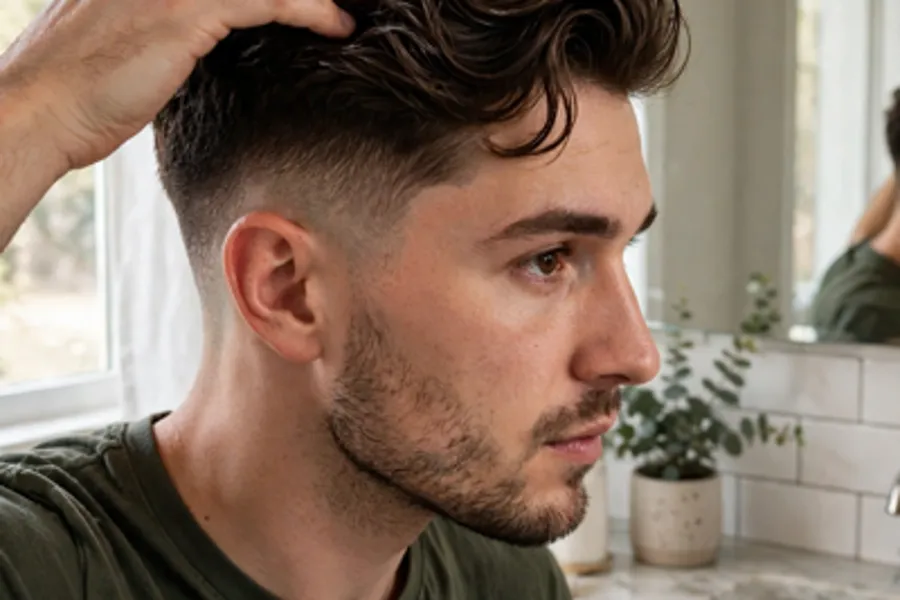
- Start with damp, towel-blotted hair, never rubbed dry with a towel.
- Work a pea-sized amount of curl cream through the top with your fingers.
- Scrunch the waves upward in sections, from the ends toward the roots.
- Diffuse on low heat for two to three minutes, or air-dry if you have time.
- Leave the waves alone once dry, since touching them breaks the pattern.
Source: Mid Taper Fade Blog
Common Mistakes: What Flattens or Frizzes Wavy Hair
Most wavy mid tapers fail for small reasons, not big ones. Avoid these five mistakes and the cut stays tidy for weeks.
Brushing dry waves. A brush pulls waves apart and turns them into frizz. Use your fingers on dry hair, and save the vent brush for damp hair only.
Top cut too short. Under 3 inches, most waves cannot form at all. The top then looks like a plain short cut, not a wavy style.
Heavy, shiny gel. Wet-look gel weighs waves down and flattens the texture. Use curl cream or light clay, and start with a pea-sized amount.
Towel-rubbing after a shower. Rubbing breaks the wave pattern and builds frizz before styling even starts. Blot gently with a towel or a soft cotton shirt instead.
Taper taken too high. A high fade can overpower a wavy top and unbalance the shape. Start at mid height, and go higher only if you like the contrast.
Tools That Keep Wavy Hair Tidy Between Cuts
Five tools cover almost all upkeep for this cut. They are a clipper for neckline touch-ups, a trimmer for crisp edges, curl cream for daily waves, a vent brush for brushed-back days, and pomade or clay for hold. Each card below links to the verified product on Amazon.
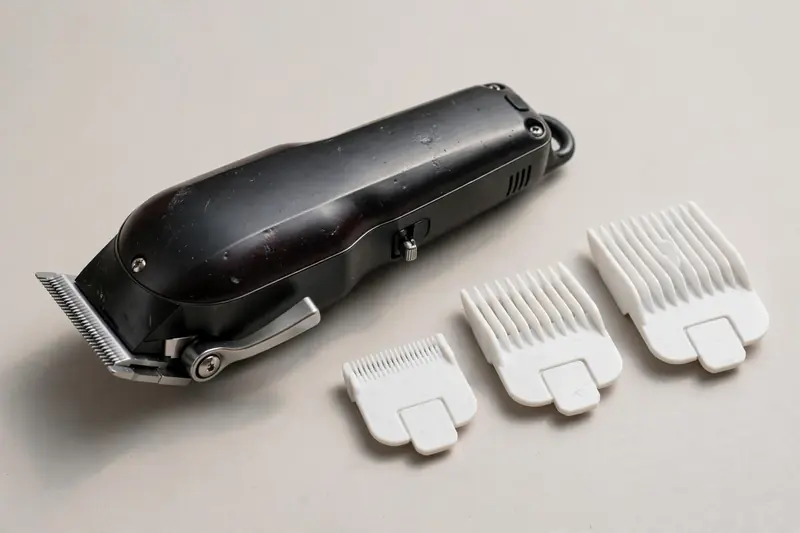
Clipper for neckline touch-ups. A good clipper keeps the neckline tidy between barber visits. Use it lightly, only on the neckline, and leave the taper itself to your barber.

Trimmer for crisp edges. A trimmer cleans up around the ears and keeps the taper outline sharp. Work slowly, and stop before you take the edge too high.

Curl cream for daily waves. Curl cream defines waves without stiffness, which makes it the daily product for this cut. Apply it to damp hair, then scrunch upward to set the wave.
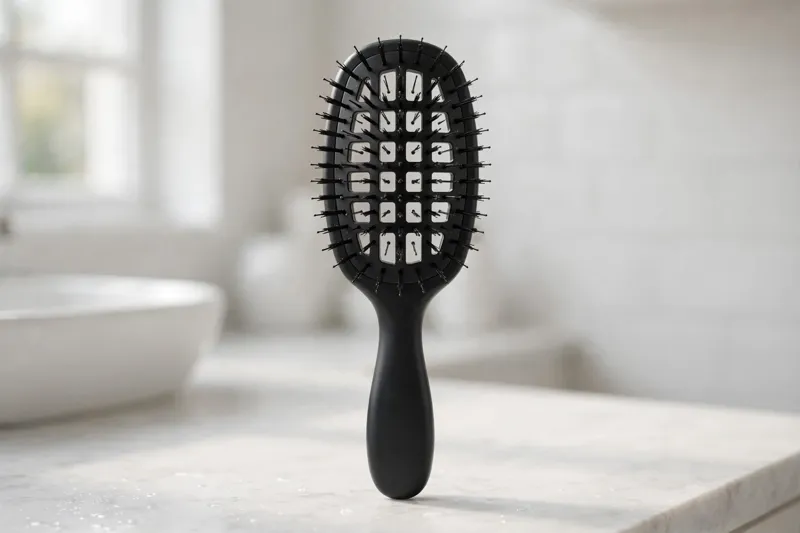
Vent brush for brushed-back days. A vent brush smooths waves while blow-drying, which suits the wavy-flow version. Use it on damp hair only, never on dry waves.

Pomade or clay for hold. Pomade or clay adds light hold for days when waves need extra control. Use a small amount, since heavy product flattens waves fast.
As an Amazon Associate, we earn from qualifying purchases. Prices and availability may change, so check the Amazon page before you buy.
Frequently Asked Questions
Does a mid taper fade work for wavy hair?
Yes, a mid taper fade works well for wavy hair. The taper removes side bulk while the top keeps enough length for waves to form. That mix gives a tidy outline with natural movement on top.
How long should the top be for a mid taper fade for wavy hair?
Keep the top at 3–5 inches for most wavy hair. Loose waves need 4–5 inches to show their pattern. Shorter tops still work, but under 3 inches most waves cannot form.
How do I ask my barber for a mid taper fade for wavy hair?
Ask for a mid taper starting around the temples, with 3–5 inches on top cut with scissors. Say the layers should follow your natural wave, and bring two or three photos of the version you want.
How do I style a wavy mid taper fade at home?
Work curl cream through damp hair, scrunch the waves upward, and diffuse on low heat. The routine takes about five minutes. Leave the waves alone once dry, since touching them breaks the pattern.
What is the difference between a mid taper fade and a low taper fade for wavy hair?
A mid taper starts around the temples, while a low taper starts just above the ears. The mid taper gives a clearer outline and removes more side bulk. The low taper keeps a softer, more subtle shape.
How often should I get a wavy mid taper fade trimmed?
Visit your barber every 3 weeks to hold the shape. The taper stays sharp for about 2 weeks, then softens as it grows out. A neckline touch-up at home can stretch a cut by a few days.
Mid Taper Fade for Wavy Hair: The Bottom Line
A mid taper fade for wavy hair works because it tames the sides and lets the waves do the rest. The taper gives the cut its clean shape, while the waves give it character. It is a strong choice if you want a tidy cut without losing natural texture.
Book it with the script in this guide, and bring photos of wavy hair like yours to your first visit. After the cut, the routine is simple: curl cream, scrunching, and five minutes. For guard numbers and taper heights, our clipper guard sizes explained covers every size in plain terms.
If you try the cut, save this guide and share it with your barber before your visit. A clear brief is the difference between a wavy mid taper and just another short cut.
By Sonia Kanwal — Sonia writes about men’s haircuts, fades, and barber-shop know-how for the Mid Taper Fade Blog. Her focus is cuts that are easy to ask for and easy to keep up at home.