Best Haircuts for a Receding Hairline: 5 Styles That Actually Work (2026)
Best Haircuts for a Receding Hairline: 5 Styles That Actually Work (2026)
The best haircuts for a receding hairline work with the hairline, not against it. Short, textured tops with clean tapered sides draw the eye to the cut, not to the temples. Long comb-overs that fight the hairline almost always make it look worse.
Buzz cuts, textured crops, side-swept tapers, and short taper fades suit a receding hairline best. Keep the top short and textured, keep the sides tight, and get a tidy-up every 2 to 3 weeks. Ask your barber for texture on top, not length over the forehead.
What a Receding Hairline Actually Looks Like
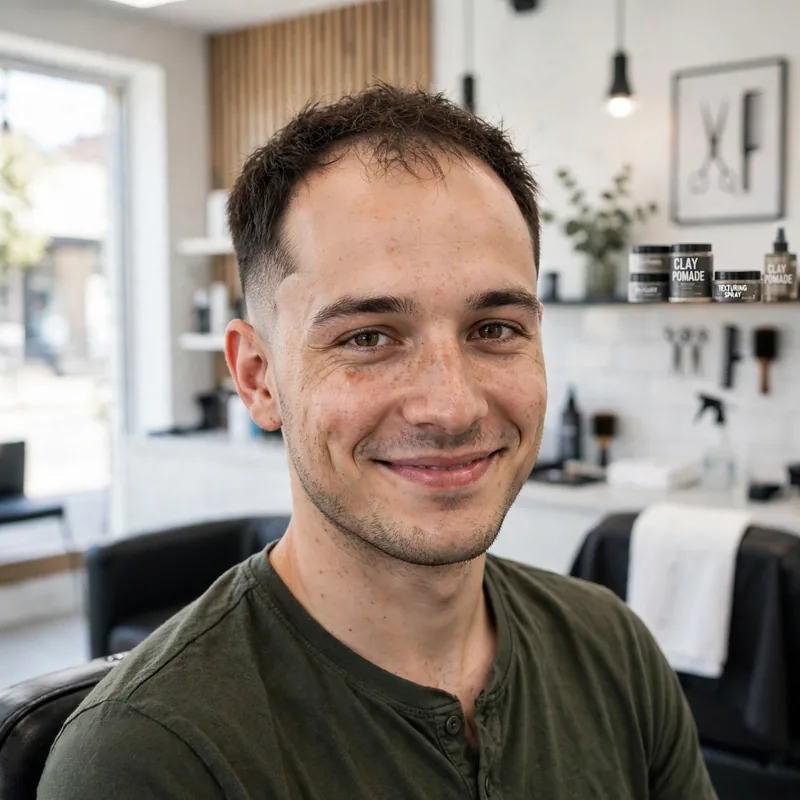
A receding hairline is when the hair at the temples moves back over time, forming an M shape.
It usually starts at the corners above the forehead. The centre of the hairline often stays lower for longer. That uneven edge is why long, flat styles fail: they frame the gap instead of hiding it.
A receding hairline is not the same as overall thinning on top. Some men have both, and some have only the temples moving back. The cuts in this guide suit both cases, because they all keep the top short and broken up.
If your hair is also thinning on the crown, tell your barber. He can keep the top even shorter and add more texture. Texture breaks up light and shadow, so thin spots show less.
5 Haircuts That Work for a Receding Hairline
Short texture on top plus tight sides is the formula that suits almost every receding hairline.
1. Buzz Cut with a Taper
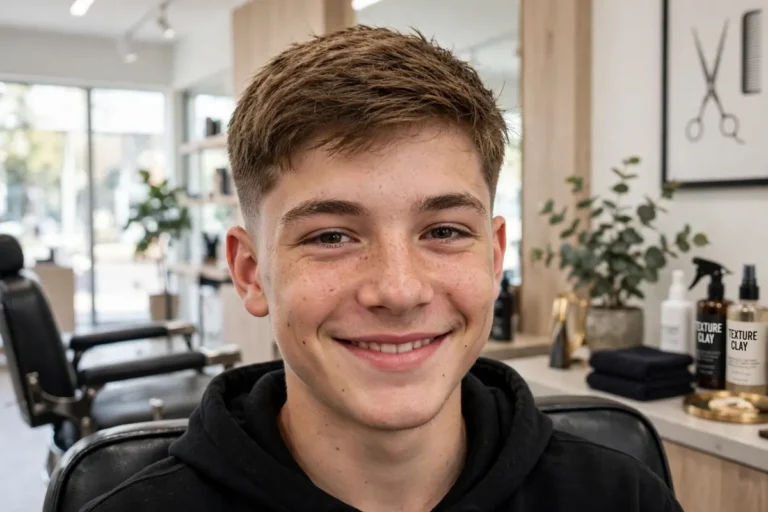
A short buzz cut evens out the whole hairline. When every length is close, the temples stop standing out. A taper on the sides keeps it neat instead of military-flat.

Ask for a uniform short length on top, faded down at the sides. This cut needs almost no styling in the morning. It is also the lowest-maintenance option if the hairline keeps moving back.
2. Textured Crop

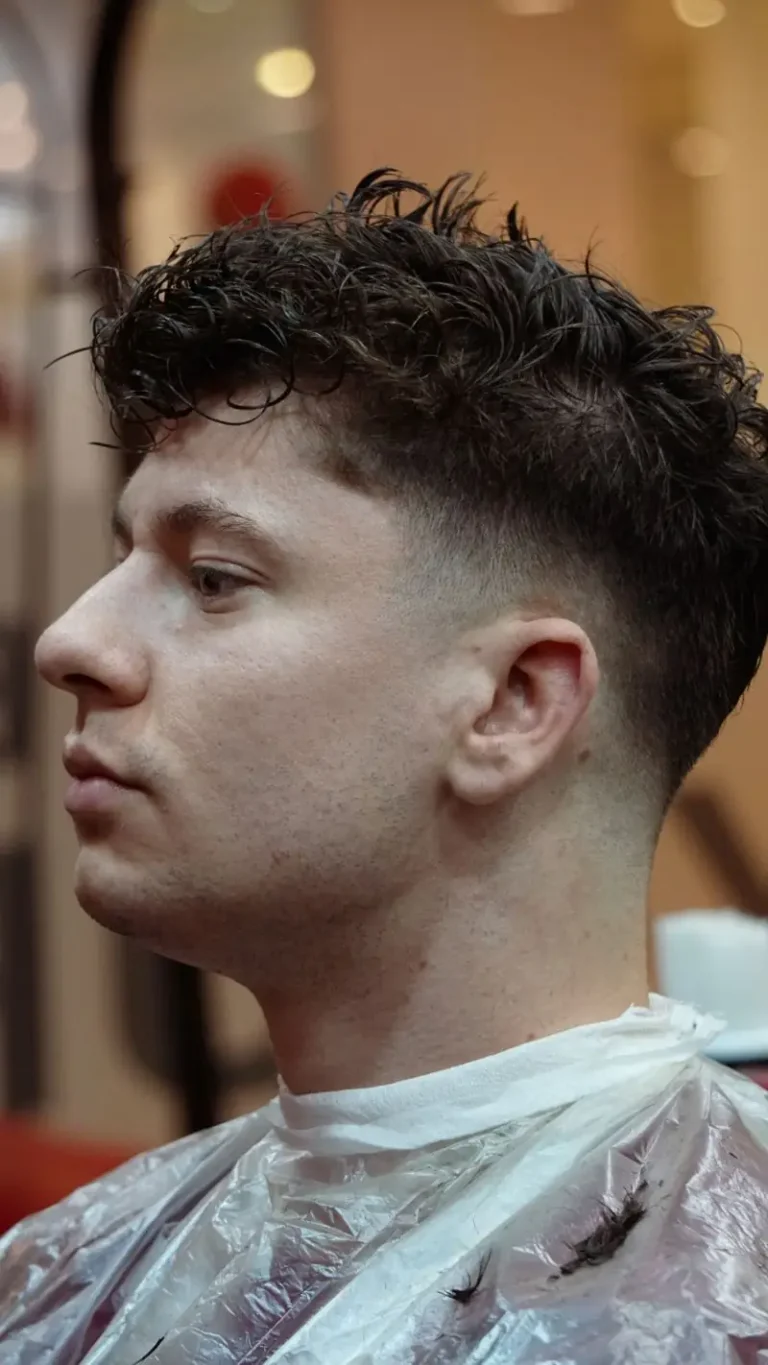
A textured crop keeps a little length on top, but chops it into short, uneven pieces. The broken edge at the front softens the hairline instead of drawing a straight line across it.
Style it forward with a small amount of matte clay. Do not comb it flat. A little mess is the point, because it stops the eye from tracing the hairline.
3. Side-Swept Taper
A side sweep moves the front hair diagonally across the forehead. That diagonal line covers one temple corner and softens the other. It works best when the recession is still mild.

Keep the sweep short, not long. Long sweeps flop, separate, and expose the hairline in wind or rain. A short sweep with texture holds its shape all day.
4. Short Taper Fade
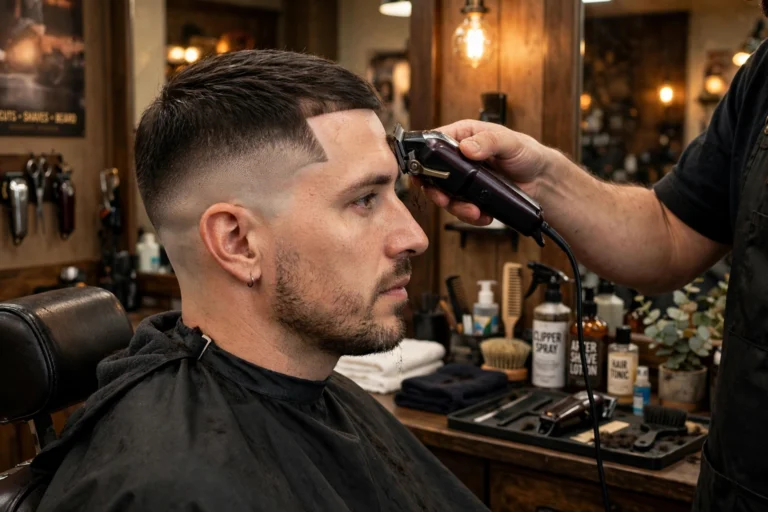
A short taper fade keeps the top at finger length and blends the sides down cleanly. The sharp, tidy sides make the whole cut look deliberate. A deliberate cut always looks better than hair that is simply growing out.

This is the best pick if you are not ready for a buzz cut. It still looks like a styled haircut, and it gives you room to change the top later.
5. Short Crew Cut

A crew cut is slightly longer at the front than at the back. That small front lift gives the hairline a softer edge. It suits men whose temples have moved back but whose front hair is still fairly thick.
Keep the front under an inch long. Longer fronts get heavy, fall flat, and show the corners again. A crew cut with a taper is easy to grow out between visits.
Which Cut Fits Your Hairline Stage
Mild recession suits a side sweep or textured crop; deeper recession suits a buzz cut or short taper.
Temples just starting back
Side sweep, textured crop
Corners clearly moved back
Short taper, crew cut
Hairline well back, thin top
Buzz cut with taper
When in doubt, go shorter than you think. Most men keep too much length on top, hoping it will cover the temples. Short hair looks fuller, because it stands up instead of lying flat and thin.
Exactly What to Ask Your Barber
Say this: short and textured on top, tight taper on the sides, no hard line across the forehead.
Show a photo of the cut you want, from the front and the side. Photos remove guesswork, especially for the hairline shape. Tell your barber you want the front edge soft and broken up, not cut straight across.
Ask him not to push the hairline back when tidying the edges. A hard, razored line at the temples can make recession look worse. A natural, slightly soft edge looks better as it grows out.
Finally, ask how long the cut will last before it needs a tidy-up. Most of these cuts hold their shape for 2 to 3 weeks. Book the next visit before you leave, so the shape never gets messy.
Maintenance and Touch-Up Schedule
Receding-hairline cuts look best with a tidy-up every 2 to 3 weeks, not every 6 weeks.
Side and neckline tidy-up
Matte clay, small amount, textured finish
Check the neckline and ear edges at home
Wash with a gentle shampoo and skip heavy oils on the top. Heavy products flatten short hair and make thin areas look thinner. A matte product adds grip and lift without shine.
At home, only tidy the neckline and the hair around the ears. Leave the top and the hairline shape to your barber. One wrong clipper pass at the front can take weeks to grow back.
3 Styles to Avoid with a Receding Hairline
Avoid long comb-overs, flat centre parts, and heavy slicked-back styles on a receding hairline.
Long comb-overs fail in wind, rain, and bright light. They also draw attention to the exact area you want to soften. A short side sweep is fine, but a long sweep across a bare temple is not.
Flat, straight styles with a hard centre line frame the temples on both sides. They make the M shape the first thing people notice. Texture and a soft front edge do the opposite.
Heavy, wet-look slick-backs need thick hair to hold their shape. On thinning hair they go flat within hours. They also show the scalp clearly under strong light.
Tools That Keep the Cut Sharp at Home
A good clipper for tidy-ups, a trimmer for edges, and a matte clay for texture cover all home maintenance.
These are the same tools barbers reach for between full cuts. They help you hold the shape, but they do not replace the barber visit. Keep home work to edges and the neckline only.
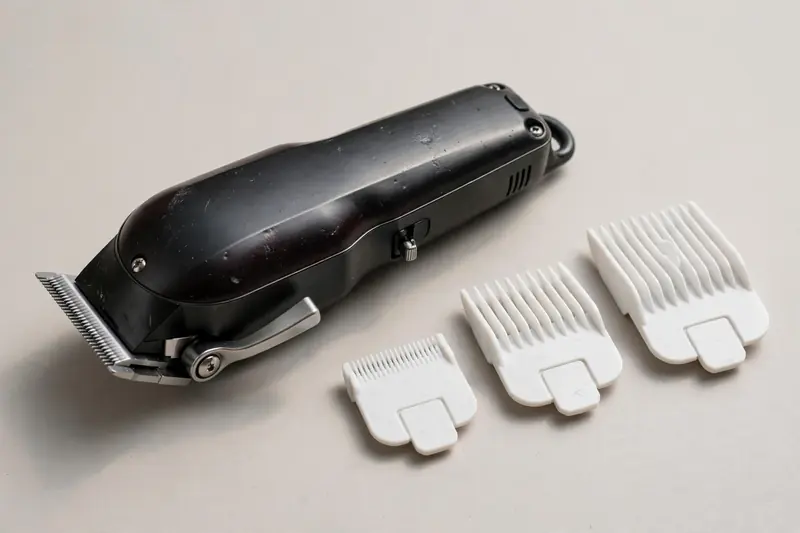
Hair Clipper
Use it for light side tidy-ups between barber visits. Keep the guard on, and stay away from the front hairline.
View on Amazon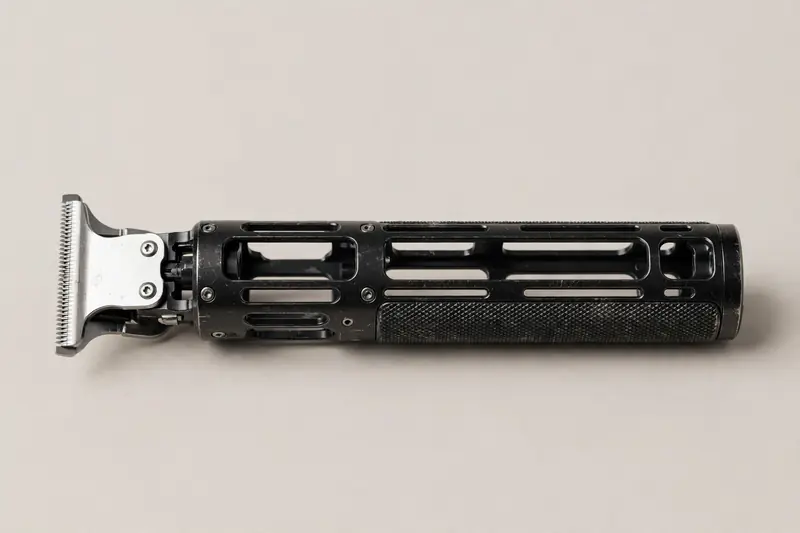
Detail Trimmer
Best for the neckline and the hair around the ears. A clean edge makes a short cut look fresh for days longer.
View on Amazon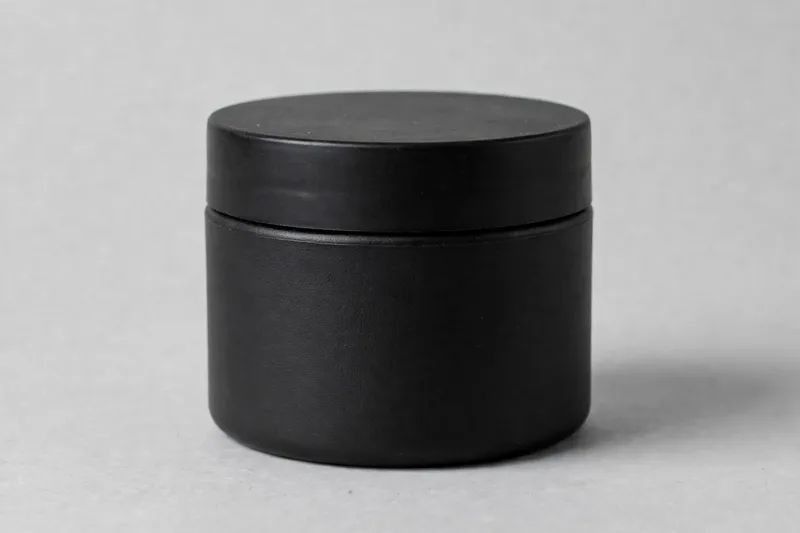
Matte Pomade / Clay
A pea-sized amount gives short textured tops grip and lift. Matte finishes hide thin spots better than shiny products.
View on AmazonAs an Amazon Associate, we earn from qualifying purchases made through links on this page, at no extra cost to you.
FAQs: Haircuts for a Receding Hairline
What is the best haircut for a receding hairline?
A short textured top with tight tapered sides suits most receding hairlines. Buzz cuts suit deep recession, while side sweeps and textured crops suit mild recession.
Should I grow my hair long to cover a receding hairline?
No. Long hair over a receding hairline usually looks thinner and fails in wind or rain. Short, textured hair stands up and looks fuller.
Does a taper fade help a receding hairline?
Yes. A taper fade keeps the sides neat and draws the eye to the overall shape of the cut, not to the temples.
How often should I get a haircut with a receding hairline?
Every 2 to 3 weeks for a tidy-up. Short cuts lose their shape fast, and regular visits keep the hairline edge soft and neat.
Can a barber fix a receding hairline?
No haircut regrows hair. A good cut can only make the hairline look better by using short texture, soft edges, and tidy sides.
What should I tell my barber about my receding hairline?
Ask for short texture on top, a tight taper on the sides, and a soft front edge. Show front and side photos, and ask him not to razor a hard line at the temples.
Related reading: our guides to fade vs taper and taper fade guard numbers explain the side blends and clipper lengths behind these cuts. More posts live on the Mid Taper Fade blog.