Caesar Haircut: The Short, Sharp Cut with a Clean Taper Fade (2026)

Caesar Haircut: The Short, Sharp Cut with a Clean Taper Fade (2026)
The Caesar haircut is a short cut with the top brushed forward and a short, straight front edge. The sides stay short, either clipped even or blended into a taper fade. It suits men who want a tidy cut with almost no morning styling. This guide covers the three main versions, the guard numbers to ask for, and the exact words to use at the barber.
Classic Caesar: even short top, straight front edge, short sides. Caesar with a taper: same top, sides faded down cleanly. Textured Caesar: choppy top, softer front edge. Ask for a #2 or #3 on top and a #1 or #2 taper on the sides. Trim every 2 to 3 weeks.
Caesar Haircut Explained: What It Actually Is
A Caesar haircut is a short cut with hair brushed forward and a short, straight front edge.
The cut takes its name from Julius Caesar. His portraits show short hair combed forward across the forehead. The modern version keeps that same idea, but with cleaner sides and a tidier finish.
Three things define a Caesar. The top stays short, usually under an inch. The front edge sits straight across the forehead. The sides stay short and neat, not long or loose.
That short top is why the cut looks tidy with little effort. It also shows the shape of the head clearly. Men with a sharply uneven hairline should check the face-shape section below before choosing it.
Barbering guides describe the Caesar cut as a short, forward-combed style (see the Caesar cut overview). The taper-fade version below is the one most barbers cut today.
3 Caesar Versions Worth Knowing
The classic, the taper version, and the textured version cover almost every Caesar worth getting.
1. Classic Caesar

The classic keeps one even length all over the top. The front edge is cut straight, and the sides are clipped short to match. It is the simplest Caesar, and the easiest to keep neat.
Works well for: straight hair, first-time Caesar wearers, and men who want a wash-and-go cut.
2. Caesar with a Taper Fade
This version keeps the same short, forward top. The sides fade down gradually instead of staying one even length. The fade gives the cut a cleaner outline and a more modern look.
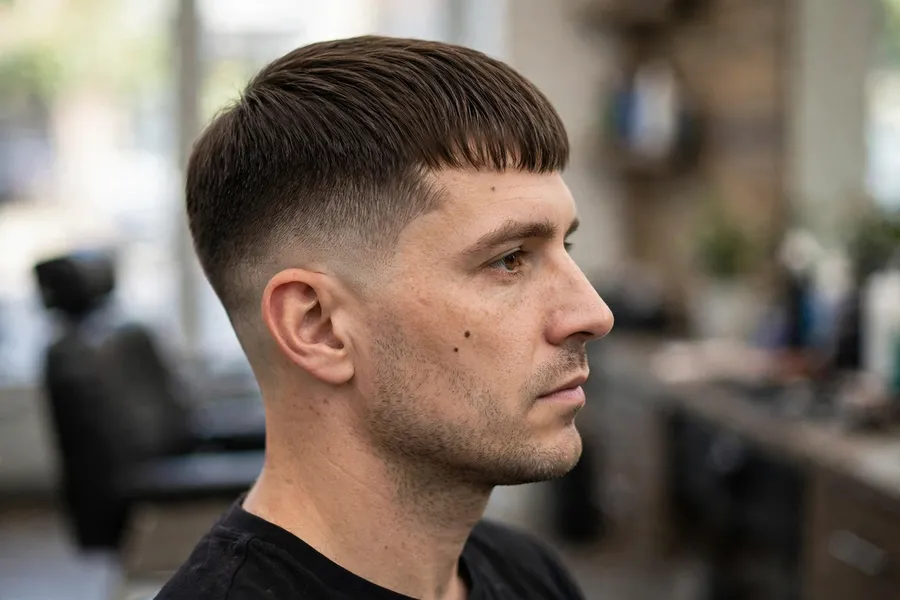
Pairs with: a low taper for a subtle finish, or a mid taper for stronger contrast at the sides.
3. Textured Caesar

The textured Caesar chops the top into short, uneven pieces. The front edge looks softer, because it is broken up instead of cut in one straight line. It suits wavy hair well, and it hides cowlicks better than the classic version.
Ask your barber for point-cut texture on top, not extra length. Extra length turns a textured Caesar into a different cut, and it flops forward by midday.
Caesar Guard Numbers: What to Ask For
Most Caesars use a #2 or #3 guard on top and a #1 or #2 guard on the sides.
Top
6–10 mm
Sides
3–6 mm
Front edge
Scissor or trimmer line
| Version | Top | Sides | Neckline |
|---|---|---|---|
| Classic Caesar | #2 or #3, even | #2, even | Tapered or natural |
| Caesar with a taper fade | #2 or #3 | #1 to #2 taper | Tapered |
| Textured Caesar | #3, point-cut texture | #1 to #2 taper | Tapered |
If your hair is very thick, ask for light thinning on top. Thinning stops the top from puffing up into a boxy shape. If your hair is fine, skip thinning, since it can make the top look even thinner.
Exactly What to Ask Your Barber
Say this: short Caesar on top, brushed forward, with a low taper on the sides.
Show a front photo and a side photo of the version you want. Photos remove guesswork, especially for the front edge shape. State your guard numbers out loud, so the barber does not have to guess your length.
Ask for a straight front edge that sits above the eyebrows. Ask him not to push the edge up when tidying it. A front edge cut too high makes the forehead look longer.
Do not ask for a long front edge. Long fronts flop forward, separate in wind, and hide the clean line that makes a Caesar work. Short and even always beats long and hopeful.
Face Shapes and Hair Types: Who Suits a Caesar
A Caesar suits oval, square, and round faces best, and straight or wavy hair most easily.
Round faces suit a Caesar with tight sides and a flat top. Tight sides stop the face from looking wider, and a flat top keeps the shape balanced. Square faces suit almost any Caesar version, since the short, straight lines match a strong jaw.
Long faces need care with a Caesar. Keep the top flat and avoid adding height, or the face looks longer. A low taper, rather than a high fade, keeps the sides from narrowing the face further.
Straight hair is the easiest Caesar hair type, since it lies forward naturally. Wavy hair works well in the textured version, with a little matte product to hold the shape. Curly hair can work in a very short Caesar, but the front edge must stay short, or curls lift it out of shape.
How to Style a Caesar at Home
A Caesar takes under two minutes: towel-dry, small amount of matte product, comb forward.
Towel-dry the top
Matte clay, rubbed in palms
Then tidy the sides
Wash, towel-dry, and work a pea-sized amount of matte clay through the top. Comb everything forward, then press the front edge into a straight line with the comb. Leave the sides alone, apart from a quick check in the mirror.
The main styling mistake is too much product. Heavy or shiny products flatten short hair and make the top look greasy by lunch. A matte finish keeps the Caesar looking dry, short, and deliberate all day.
Tools That Keep a Caesar Sharp at Home
A clipper for tidy-ups, a trimmer for edges, and a matte clay for texture cover Caesar upkeep.
These tools hold the shape between barber visits. They do not replace the barber, since the front edge and the taper blend need a trained hand. Keep home work to the neckline, the ear edges, and light side tidy-ups only.
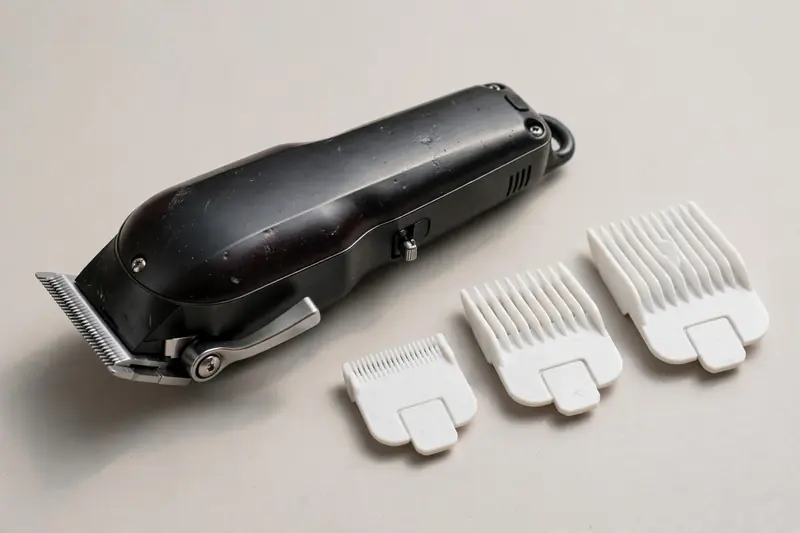
Hair Clipper
Use it for light side tidy-ups between barber visits. Keep the guard on, and stay away from the front edge.
View on Amazon
Detail Trimmer
Best for the neckline and the hair around the ears. A clean edge makes a short Caesar look fresh for days longer.
View on Amazon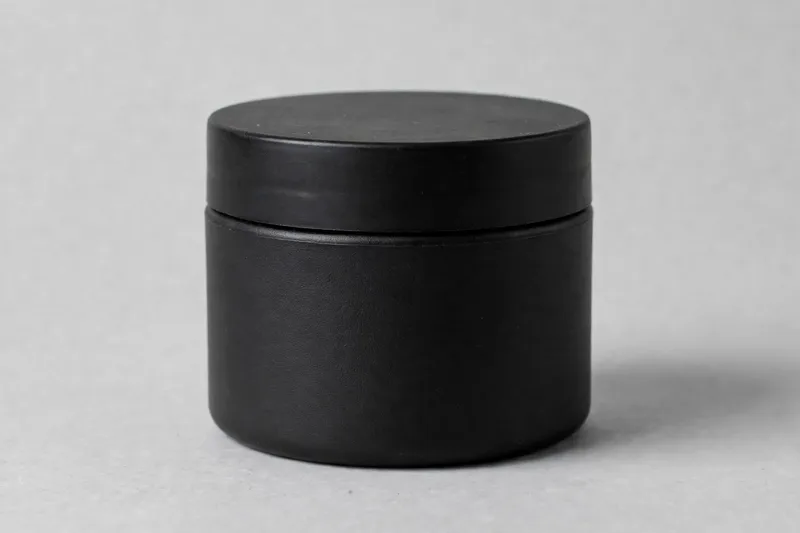
Matte Pomade / Clay
A pea-sized amount gives short Caesar tops grip and a dry finish. Matte finishes suit short hair better than shiny products.
View on AmazonAs an Amazon Associate, we earn from qualifying purchases made through links on this page, at no extra cost to you.
FAQs: Caesar Haircut
What is a Caesar haircut?
A Caesar haircut is a short cut with the top brushed forward and a short, straight front edge. The sides stay short, either clipped even or faded into a taper, and the whole cut needs very little daily styling.
What guard number is a Caesar cut?
Most Caesars use a #2 or #3 guard on top, which leaves 6 to 10 mm of hair. The sides usually take a #1 or #2 guard, and the front edge is trimmed straight with scissors or a trimmer.
What should I ask my barber for a Caesar haircut?
Ask for a short Caesar on top, brushed forward, with a low taper on the sides. Show front and side photos, state the guard numbers you want, and ask for a straight front edge that sits above the eyebrows.
Does a Caesar suit a receding hairline?
A Caesar can suit a mild, early hairline change, because the short front edge draws less attention than a long style. If the temples have moved well back, a buzz cut or short taper usually looks better than a Caesar.
How do I style a Caesar cut at home?
Towel-dry your hair, rub a pea-sized amount of matte clay between your palms, and comb the top forward. Keep the front edge short and even, and avoid heavy, shiny products that flatten short hair.
How often should I trim a Caesar haircut?
Get a tidy-up every 2 to 3 weeks to hold the front edge and the taper shape. Short cuts lose their outline fast, so small, regular trims beat waiting until the cut looks grown out.
Related reading: our guide to taper fade guard numbers explains the clipper lengths behind the taper version. More posts live on the Mid Taper Fade blog.